

There are some spices and herbs that are must haves in any kitchen. Parsley, paprika, cinnamon – every household will have something to make their meals taste delicious. But what about more unique ingredients?
Caraway seeds and cumin are not spices in every kitchen, even less so in western homes. If you are still getting used to using a range of spices in your cooking, then you may still be confused about the difference between caraway seeds and cumin, so here is an insight into how the spices differ:
Caraway seeds and cumin are each spicy in their own way, which is their most significant distinction. Caraway seeds’ most prominent flavour is liquorice, so their spice is sweeter and warmer. The spice of cumin is much more impactful, leaning towards a peppery kick.
What are Caraway Seeds?
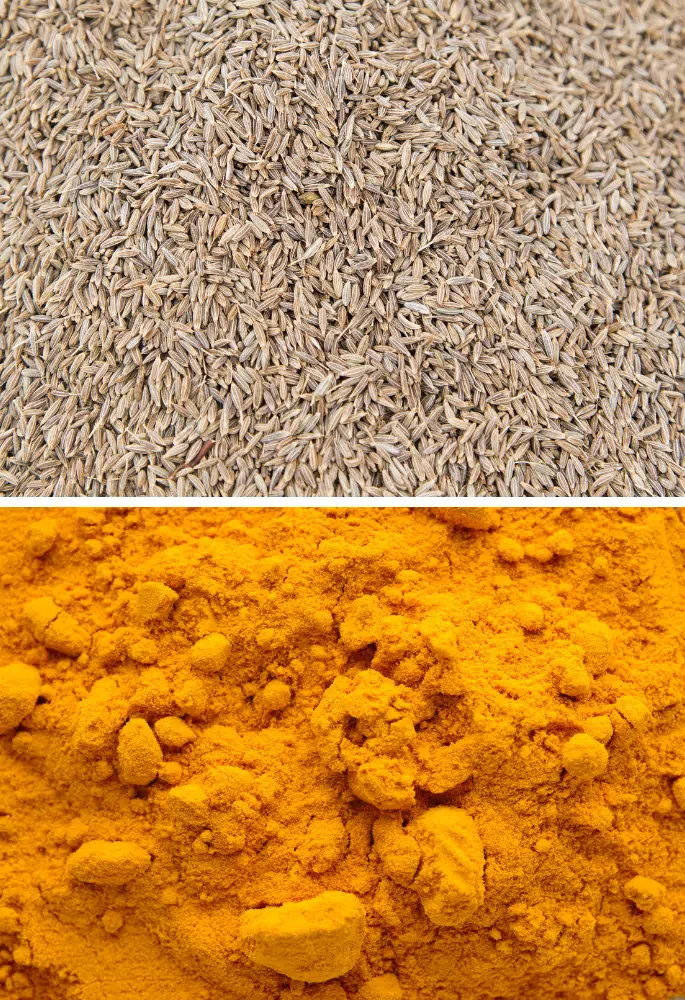
What you may not know about caraway seeds is that they are technically dried fruit, harvested from (unsurprisingly), the caraway plant. However, because of their slightly curved, nutty look once dried, the dried caraway fruit are mistaken for seeds.
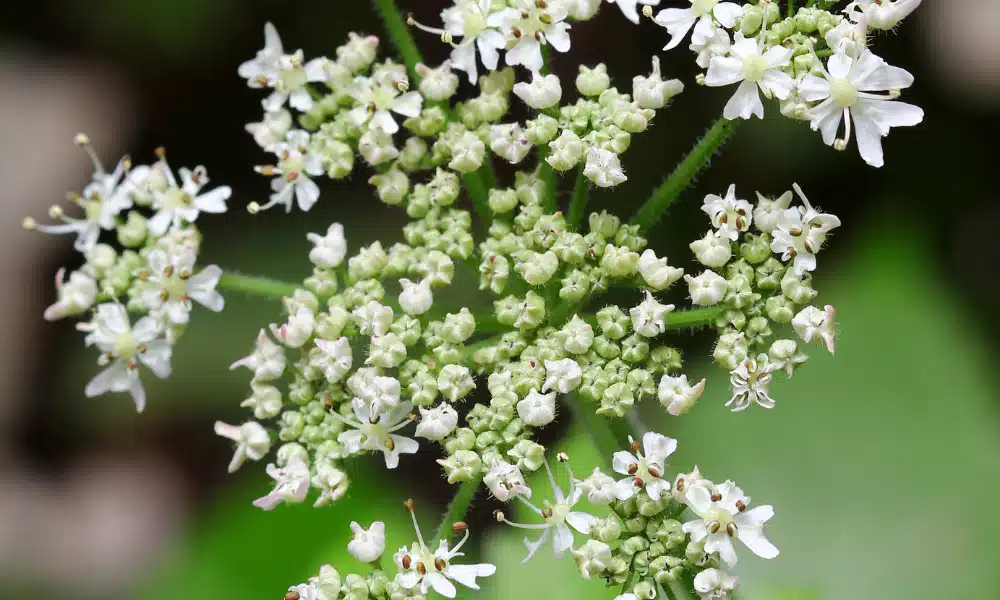
Caraway seeds can be used either ground or whole. Considering that they are a spice commonly associated with breads or soups, most cook with whole caraway seeds to add texture to their dish.
However, they can also pack a punch when ground to make them easier to incorporate into meat marinades or vegetable seasonings.
The overall taste of caraway seeds can best be described as mild. Its citrusy sweetness and liquorice flavours are subtle enough to leave the taste buds tingling without being overwhelming.
There is also a predominant earthy flavour to caraway seeds. When the seeds are used raw, they develop a slight spiciness the more they are chewed.
Caraway seeds that have been slightly roasted or cooked before being added to a dish unlock the strong anise aroma and determine the spice’s liquorice tones. This is why some argue that caraway seeds are spicy, though the spice is better described as warmth.
You can sprinkle caraway seeds on your dish if you don’t mind the more subtle flavours. However, if you are cooking caraway seeds, then do not add them too early in your cooking process. Cooking the seeds for more than 15-20 minutes can make them lose their flavour.
What are Cumin Seeds?
Cumin is one of those spices that seems to have been around forever, but not many people in Western cuisines know how to use it properly.
The earliest uses of the cumin spice can be traced back to Ancient Egypt, but in modern times it is commonly associated with Mexican, African, and Middle Eastern cuisine and in curries.
This is because of the natural earthy flavours that those cuisines centre in their dishes.
Cumin is an intensely earthy spice with the perfect amount of citrus notes to prevent the hearty taste from becoming too rich. Undercutting both the earthy and citrusy flavours is a warmth similar to the spice of black pepper, but much more evident.
With such deep flavours, cumin can withstand a lot of dishes without falling flat. It is a favourite for vegetable dishes, helping to enhance the slight sweetness of root vegetables.
Likewise, it can be paired with any roast or grilled meat, adding a little sweetness to the complex base of the meat.
Cumin can be bought and used as a whole seed. However, it is far more commonly bought ground as a powder to disperse its intense flavours throughout your dish better.
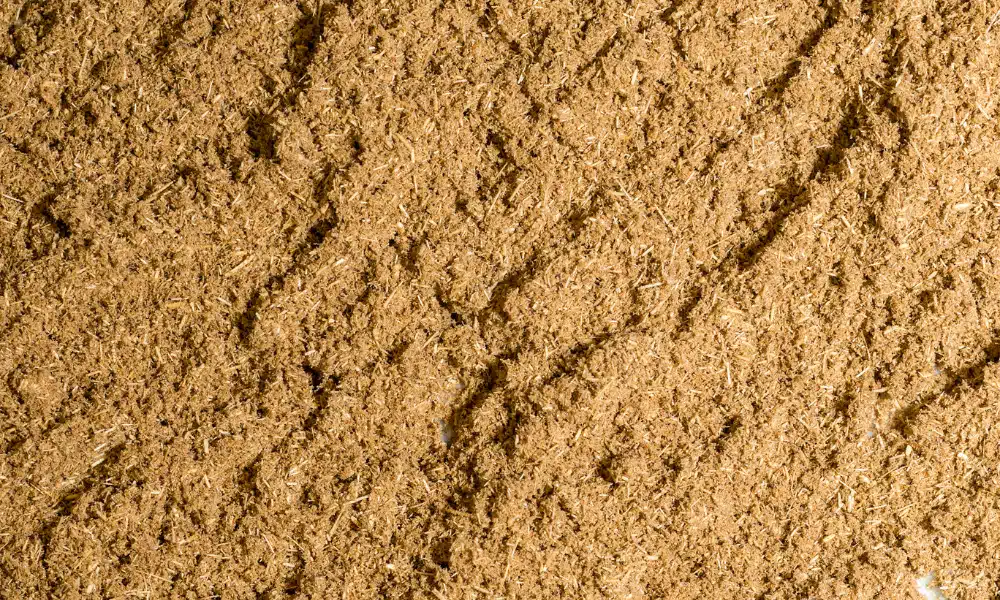
Using cumin as the prominent flavour for your dish would be overwhelming. Pairing the spice with other sweeter spices, such as cinnamon or ginger, can stop the earthy tastes from becoming too much.
Similarities Between Caraway Seeds and Cumin Seeds
Some like to use caraway seeds and cumin interchangeably because they share many similarities. Such as:
- Use Of Spice – Caraway seeds and cumin are often used for the slight heat that they bring to a dish. These spicy flavours are only made more complex by the other flavours within the caraway seeds and cumin flavour palates.
- Slight Citrus Hints – Though it is not the main flavour of either caraway seeds or cumin, citrus is evident in both the spices. It provides a slight sweetness and zing that complements the other flavours of the spices without taking over completely.
- Hearty Uses – Because caraway seeds and cumin are considered quite earthy spices, they are favoured in hearty soups, marinades and vegetable dishes. You are just as likely to use either of the spices sprinkled on roasted vegetables as you would incorporate them into a beef stew.
Differences Between Caraway Seeds and Cumin Seeds
However, just because caraway seeds and cumin have similar base flavours does not mean that they are the same spice completely. Here are some differences to keep in mind when using them in your kitchen:
- Types Of Spice – The source and feel of the spicy taste produced by caraway seeds is mainly its liquorice hints, making it a sweet and mild spice. Cumin has a more evident but more impactful type of spice, better compared to a peppery kick than a subtle undertone.
- Mildness – It is not just the level of spice that is more impactful with cumin but also the overall flavours. Cumin is richer and deeper in its flavours than the mild caraway seeds. That is not to say that caraway seeds are devoid of flavour, just not as strong as cumin.
- Pungent Aroma – Despite the robust flavour of cumin, it is not as naturally pungent as caraway seeds. Cumin does develop more of an aroma as it is cooked, but caraway seeds have a strong liquorice smell which is reflective of their most dominant flavour.
Caraway Seeds vs Cumin Seeds: Which Wins?
If you were limited to either caraway seeds or cumin seeds in your cooking, which would you pick? It’s caraway seeds vs cumin seeds, but which wins?
Do You Prefer Caraway Seeds or Cumin?
Caraway Seeds and Cumin Seeds FAQs
Have more questions about caraway seeds, cumin seeds and how they are similar? Then these FAQs might help out:
Yes, you can swap these seeds. You’ll get a slightly different flavour, but both seeds, when toasted and ground, will add a warm, spicy undertone to your dishes.
No, they are completely different ingredients. They look fairly similar and have similar flavours, so they are often mistaken for one another.

Acacia may be a freelance writer by day, but they are a food fanatic by night. They are always trying out new recipes or finding different ways to elevate classical dishes. But their biggest culinary aim is to educate others on the basics of the kitchen so that they too can enjoy delicious food.
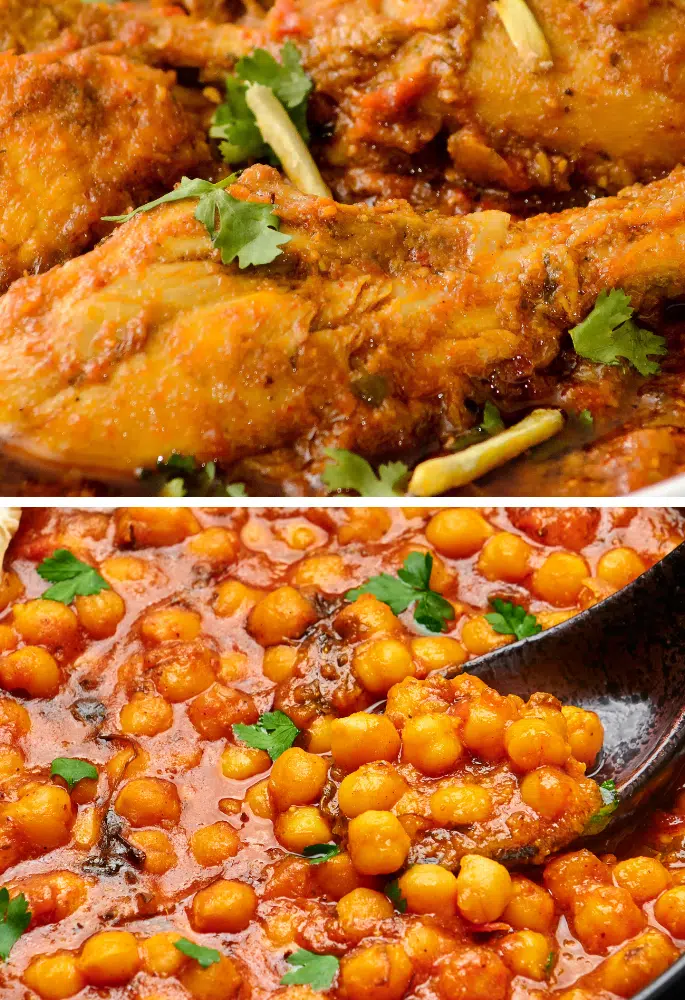
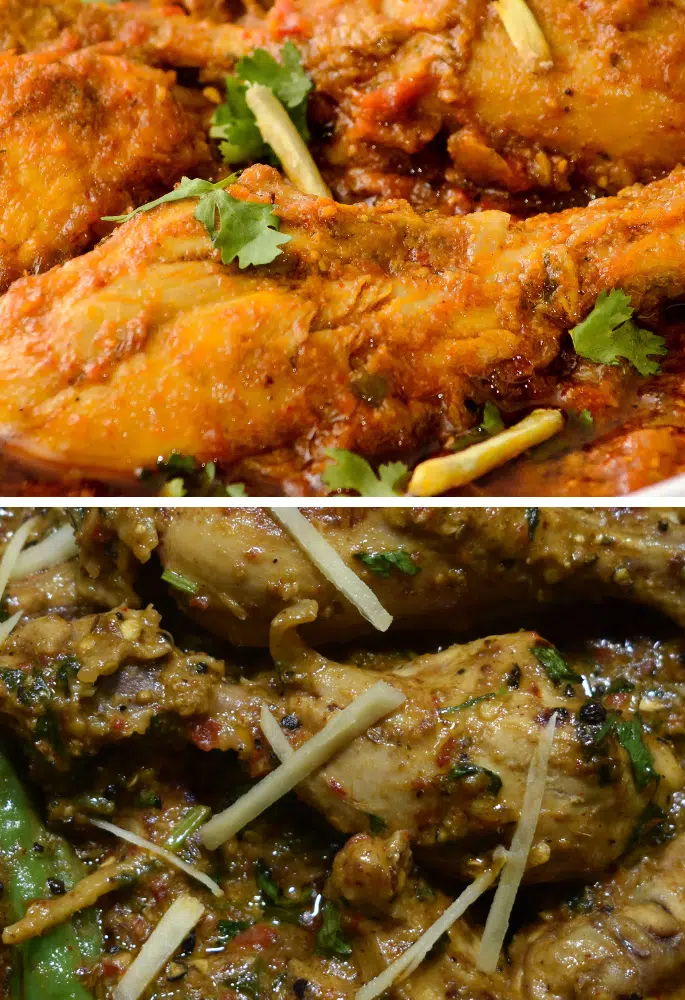

Would you mind labeling the picture at the top, which is which? I went to another website and think I figured it out, but would be nice to add for your readers.