
We’re all guilty of hopping onto a health trend or trying to start the new year with a healthy diet and stocking up on fresh vegetables only to watch them rot in our fridges.
Roasting vegetables is a quick and versatile way to use up some veggies before they turn bad. You can use roasted vegetables in alongside pretty much any dish.
However, if you find that those carrot tops are starting to wilt or those sprouts are looking a little sad, you can roast them and then freeze them to make them last longer.
To freeze roasted vegetables, roast and cool the veg before freezing it in one layer on a baking sheet. Once frozen solid, tip them into a freezer bag, seal the bag up and pop it into the freezer.
How to Freeze Roasted Vegetables
Freezing roasted vegetables is not the quickest way to freeze your vegetables, though it is an effective way locking in their flavour to be utilized at a later date.
Some roasted vegetables will freeze better than others, depending entirely on their water content and texture. Here are the best ways to freeze a range of common roasted vegetables:
How to Freeze Roasted Root Vegetables
The best kind of roasted vegetables to freeze are root vegetable. This is because root vegetables like potatoes, carrots, parsnips and swede tend to be very dense with a lower moisture content. Here is how to freeze roasted root vegetables:
- Roast The Root Vegetables
Of course, the first thing you should so is roast your veggies. - Allow To Cool
Though root roasted vegetables are less likely to turn mushy once frozen because of their density, leaving the vegetables to cool after before you freeze them will prevent any change in texture. - Spread On A Baking Tray
When your roasted vegetables are cool enough, spread them out on a tray baking tray. Organise them as evenly spaced as possible for the evenest freeze. - Flash Freeze
Place the tray directly into the freezer and leave the roasted vegetables to flash freeze for around 1 hour. - Properly Store
Once the veggies are frozen solid, you can transfer them into an airtight container or freezer bag. - Seal And Freeze
If you are using a freezer bag, push all of the air out of the bag and then zip it shut properly. If you are using a container, secure the lid and place your roasted root vegetables directly into the freezer for up to 1 month.
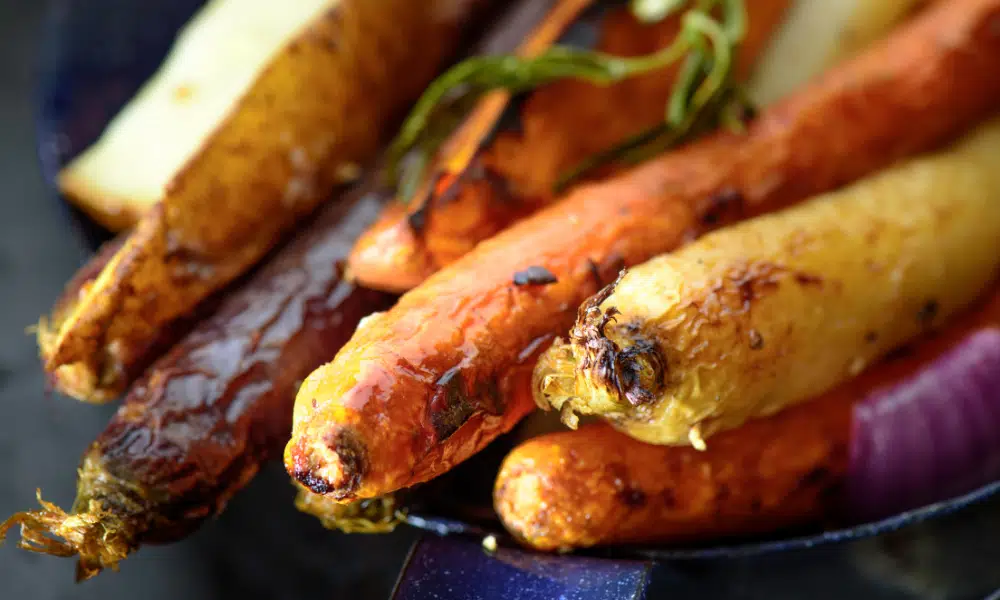
Due to the density of roasted root vegetables, you can cook the vegetables in your oven directly from frozen. Set your oven to 200C, spread vegetables on a baking tray and place them in the oven. After 10 minutes, remove the tray to season the vegetables and then cook for another 15 minutes.
How to Freeze Softer Roasted Vegetables
Roasted vegetables that naturally have more moisture, such as tomatoes, some mushrooms and bell peppers, do not freeze as well as other vegetables, especially once they are roasted.
However, there is a method you can use that can help preserve the taste and texture of your favourite roasted vegetables with a higher water content:
- Allow To Cool
Roast your vegetables however you wish. Then leave them on the counter top for around 15 minutes until they reach room temperature. - Move To A Bag
Once cooled, transfer all of the roasted vegetables and any juice that may have leaked out during cooking to a freezer bag. You could use an airtight container, but a freezer bag will be the most effective. - Remove The Air
Push as much air out of the freezer bag as possible. The less air in the bag, the better your roasted vegetables will freeze. - Seal
Quickly seal the freezer bag as soon as you have removed all of the air. Ensure that the seal is secure and that none of those tasty vegetable juices will leak out. - Freeze
There is no need to flash freeze roasted veggies with a high moisture content, just place the bagged veggies directly into the freezer. You can freeze roasted vegetables with a high water content for up to 6 months.
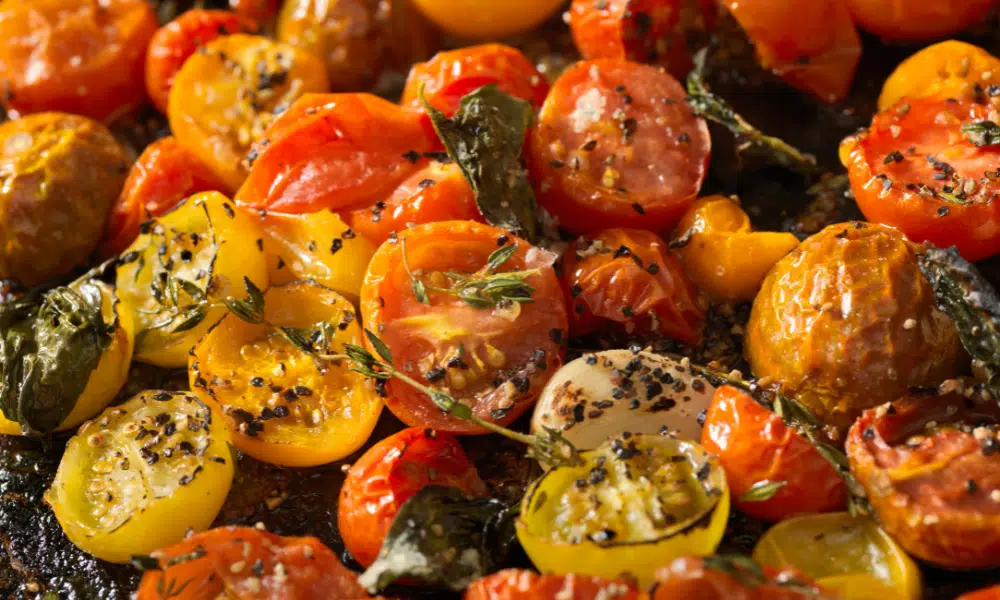
Soften roasted vegetables will be much mushier than when you defrost roasted root vegetables. If you place frozen vegetables directly into the oven to roast for 10 minutes or so, you can drain some of that extra moisture as they defrost. Then roast them for another 10 minutes to warm them up.
How to Freeze Roasted Vegetables Successfully
Admittedly, freezing your roasted vegetables may not always be the best idea, depending on the type of vegetables you are roasting. That being said, here are some tips you can keep in mind regardless of your vegetable of choice:
- Hold That Flavour – Though roasted vegetables tend to lose their flavour while frozen, you will actually want to season the veggies less before you freeze them. The freezer will alter the taste of any spices or herbs you use, so it is best to add that extra flavour when you are reheating them.
- Undercook Your Veggies – Do not completely roast your vegetables before you freeze them. Instead, remove them from the oven around 10 minutes before you are supposed to. This way, when you use your oven to reheat the vegetables, they will be perfectly cooked.
- Wash Your Veg! – You should always wash your veg before you freeze it regardless of the type of veg you are freezing or how you plan to freeze them. Doing so will prevent any soil or pesticide from ruining your vegetables in the freezer.
Don’t Forget Herbs and Spices
Make sure you add plenty of herbs and spices when freezing roasted vegetables. A combination of rosemary, chilli and garlic always works well. You could also try combining thyme, lemon zest, black pepper and fennel seeds for something different.
Do Roasted Vegetables Freeze Well?
Only roasted vegetables made from dense root vegetables will freeze well. They will hold both their flavours and their textures better than roasted vegetables with a high water content.
But freezing any roasted vegetable is a sure way to save on food waste.
Freezing Roasted Vegetables FAQs
If you still have additional queries about freezing roasted veg then these FAQs might be useful:
Yes, roasted vegetables can be frozen with a range of herbs. If you’re going to use herbs, stick to woody, hardy herbs such as rosemary or thyme as softer herbs will turn to mush in the freezer.
Yes, you can freeze roast potatoes for around 6 months. Once cooled, freeze them on a baking sheet for a few hours. Once solid, tip them into a freezer bag. 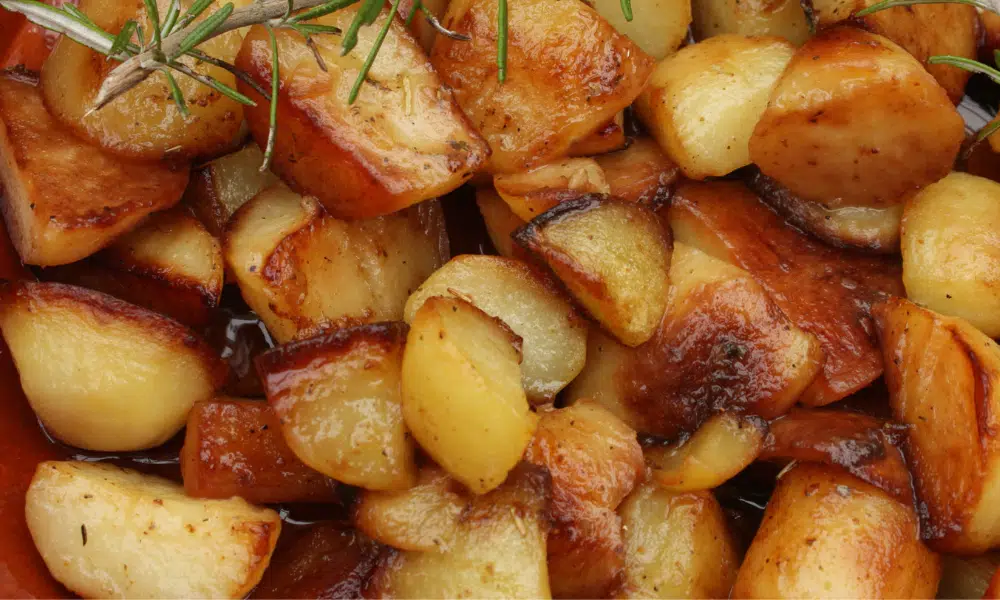

Acacia may be a freelance writer by day, but they are a food fanatic by night. They are always trying out new recipes or finding different ways to elevate classical dishes. But their biggest culinary aim is to educate others on the basics of the kitchen so that they too can enjoy delicious food.