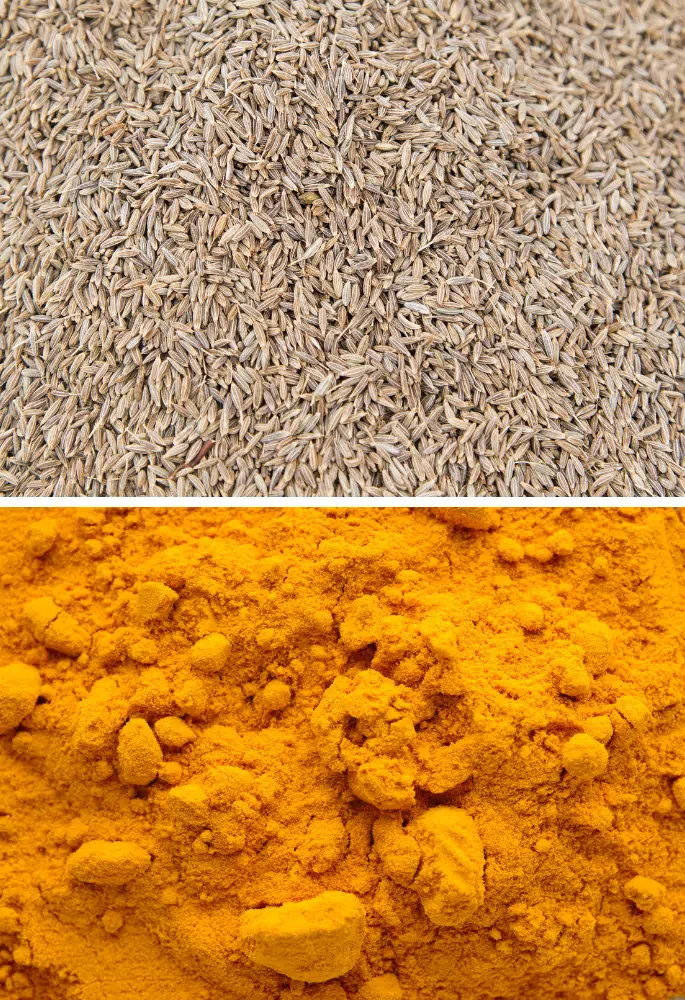

You’ve spent what feels like hours toasting and grinding spices (and lots of them) and making pastes only to find that your curry doesn’t really taste of much. So, why is it that your curry has a bland taste? And what exactly can you do to fix it?

There are, unfortunately, many reasons why your curry can taste bland. It could be old spices that haven’t been toasted. It could be a lack of spices. It could be that the flavours haven’t been given time to develop.
There are various things you can do to both fix a bland curry and make a tasty curry in the first place. I’m going to go through all my tips and tricks to ensure you never make a bland curry ever again.
How to Make a Flavoursome Curry
If you want to make amends and are looking to start afresh before you make your next curry, make sure you follow these tips:
- Start with Plenty of Aromatics: The base of any curry will include onions and garlic in some form alongside chillies, ginger and galangal. Don’t hold back on these initial aromatics, as they will give your curry their flavoursome base.
- Give Everything Time: You’ll often come across a Westernised curry recipe that’s ready in 20 minutes. This is impossible! In fact, onions need to be cooked low and slow for 15 to 20 minutes until they brown, soften and begin to release their natural sugars.
- Avoid Premixed Powders: Premixed curry powders might be a time-saver (and often a money saver), but they’re usually bland and limit you to making the same curry over and over again. Instead, opt for buying individual spices which you can mix as you see fit.
- Stop Adding Water: You might think your curry looks too thick, but adding water will only dilute the flavour. You might need to loosen the sauce a little, but only add a splash of water at a time. Once it’s in, you can’t take it back out!
- Use Whole Spices: Although more convenient, ground spices will lose their flavour quicker. Instead, opt for whole spices you can freshly grind as and when you need them. You can instantly tell the difference between the smell of preground and freshly ground spices.
- Go Easy on the Chilli: This might seem counterintuitive but all too often, people add too much chilli, thinking this will make their curry taste authentic. Instead, you’re left with a one-dimensional curry that tastes of chilli and only chilli.
- Taste, Taste and Taste: You’re never going to know how good your curry tastes unless you taste it regularly while you cook. As each stage progresses, give it a quick taste and adjust accordingly.
- Toast Your Spices First: Before you grind any spices, toast them in a dry pan for 5 minutes or so until your kitchen air is filled with the fragrant smell of cumin, coriander, cardamom and any other spices.
How to Make Your Own Spice Mix
The base flavour of every curry will be formed from the spices you use. If you simply toss in a spoonful of premade curry powder you can’t expect to have a tasty final dish. Instead, you need to start making your own mixes.
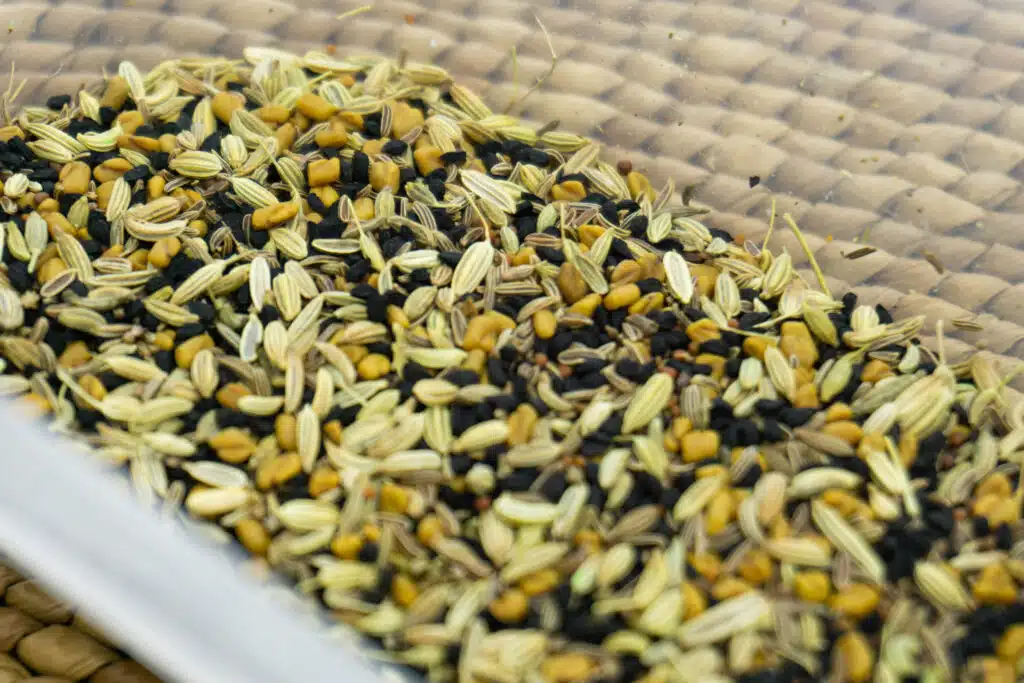
Panch phoron might not be a spice mix you’ve heard of but is one of the easiest to make and an authentic Indian spice mix that will elevate even the most basic of curry recipes.
What You’ll Need to Make Panch Phoron
Panch phoron literally translates to 5 spices so the clue is really in the name. You’ll need the following 5 spices:
- 10g Fenugreek Seeds
- 10g Nigella Seeds
- 10g Mustard Seeds
- 10g Fennel Seeds
- 10g Cumin Seeds
How to Make Panch Phoron
As I’ve already said, this is one of the easiest spices mixes you could ever make. In fact, there’s no toasting, grinding, shelling or crushing required:
- Don’t Get a Pan Out
Normally, toasting spices would be an essential first step when creating any spice blend but that would be if you were then going to grind them. So the first step is to avoid getting out a hot pan and a spice grinder. - Prepare
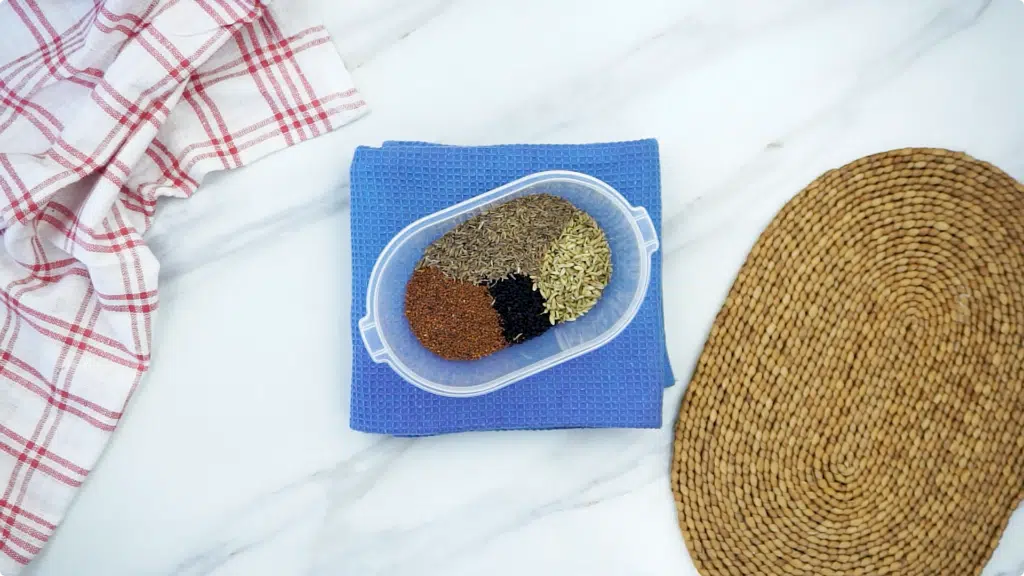
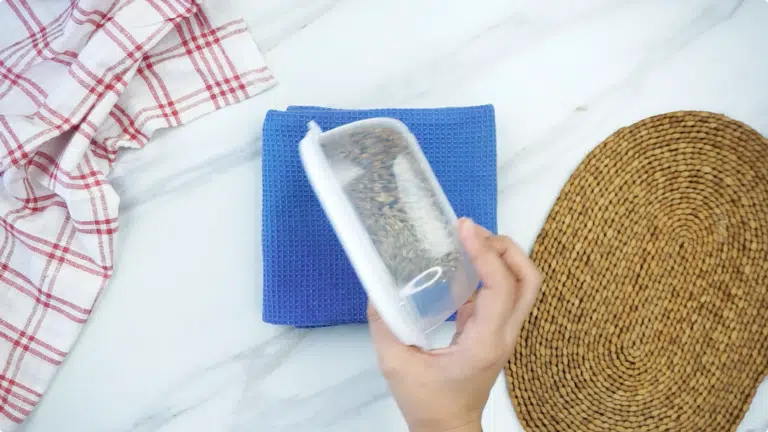
Get prepared by grabbing an airtight container or jar that you’ll use to store your panch phoron. It must be airtight otherwise moisture will get in and you’ll go from having aromatic spices to just having a seed mix.

- Add Spices
Add your 5 spices into the container and give it a shake or a stir to ensure it’s fully combined (you don’t want the top layer to be solely fenugreek, for example).
How Do You Use Panch Phoron
if you want to go down the traditional route, then you’ll want to use the panch phoron in a tadka. This is basically an infused oil.
To prepare a tadka using panch phoron, begin by gathering your ingredients, which should include the panch phoron, oil (mustard oil is traditional but other oils can also be used), and any additional ingredients like curry leaves or dried red chilies.
Heat 2 to 3 tablespoons of oil in a pan over medium heat. If you’re using mustard oil, it’s essential to let it reach its smoking point and then reduce the heat to ensure the raw taste is removed.
Once the oil is sufficiently hot, add a teaspoon of panch phoron to it. The seeds will start to splutter upon contact with the hot oil, releasing their aromatic flavours. It’s crucial to stir continuously at this stage to prevent the seeds from burning.
If you have additional ingredients like garlic or red chilies, add them next, ensuring they are sauteed without burning. Once the tadka is ready, immediately pour it over your chosen dish.
How to Fix a Cooked Bland Curry
If you’ve already made a bland curry and want to try and fix it without having to start again, then all is not completely lost and you can save it with a bit of work:
- Add Condiments: There are several condiments you can stir through a curry to hide the fact that it was once bland. Try mixing through mango chutney, kasundi, chilli oil or lime pickle.
- Stir Through Fresh Herbs: A handful of chopped coriander stirred through a curry can instantly add another flavour to it which can make it passable. It won’t have the depth of toasted spices and sweet onions but it can make it edible, at least.
- Season It: You’ll be surprised how a good pinch of salt can instantly elevate a bland curry. If it doesn’t taste of anything then see a good seasoning can help salvage it.
- Add Acidity: A quick squeeze of lime juice can be one of the fastest ways to rectify a bland curry. The other option is a small spoonful of tamarind paste if you have it.
- Leave it for 24 Hours: This is far from the quickest fix, of course, but it’s also a viable option. You know how stews and casseroles taste better the next day. Well the same can be said for curry. Leave it in the fridge overnight, reheat it the next day and you may just be surprised.
Curry often tastes better the next day because the flavours have had time to meld and develop, resulting in a richer sauce. Additionally, reheating allows the spices and seasonings to penetrate the ingredients further, enhancing the overall flavour. Lastly, the sauce thickens as it cools, concentrating the flavour further.
Panch Phoron
Course: Spice MixCuisine: Indian, BengaliDifficulty: Easy10
servings5
minutes0
minutes5
minutesHow to make panch phoron Indian 5-spice mix.
Ingredients
10 g Fenugreek Seeds
10 g Nigella Seeds
10 g Mustard Seeds
10 g Fennel Seeds
10 g Cumin Seeds
Directions
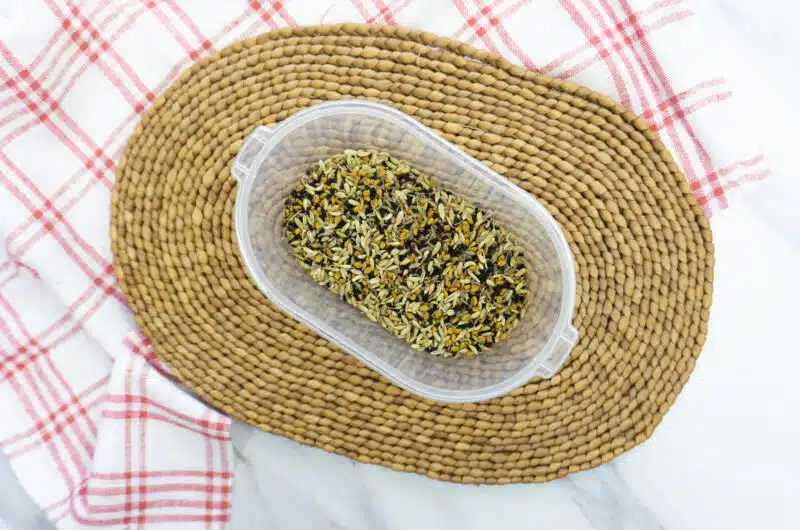
- Get prepared by finding an airtight container that will hold 50g of spices. It’s vital that is has a tight-fitting lid to ensure the spices retain as much of their flavour as possible.
- Add all of the spices to the container and then give it a good shake. This is to ensure the spices are evenly mixed. You don’t want all the fenugreek in one corner and then all the nigella seeds hidden at the bottom for example.

- Store it in a cool, dark place until you need it.
Recipe Video

Hailing from Liverpool, Oliver is an adventurous chef with a penchant for exploring diverse cuisines and novel ingredients. Ollie, combining his love for local British flavours with global influences, brings innovation and charm to home cooking.