Key Takeaways
- Sliced button, cremini, or portobello mushrooms cook in about 2-3 minutes covered on high, stirred once halfway through.
- Canned and frozen mushrooms are already cooked or pre-treated, so they only need a brief reheat, not a full cook.
- Cooked mushrooms can safely go from stove to fridge to microwave, as long as they're chilled quickly and reheated to 165°F.
- Delicate mushrooms like enoki need far less time (45-60 seconds) than dense ones like lion's mane (2-3 minutes).
- The microwave won't brown or caramelize mushrooms the way a hot skillet does — it's a steaming method, not a searing one.
How to Microwave Mushrooms in Under 3 Minutes
I used to think mushrooms only belonged in a hot skillet with butter. Then one busy weeknight I tossed sliced cremini in a bowl, covered them, and hit the microwave out of pure laziness.
The short answer is yes, you can microwave mushrooms, and it takes about 2-3 minutes from raw to tender.
The method is almost embarrassingly simple. Slice your mushrooms so they cook evenly, since whole caps take much longer and can end up rubbery outside while staying raw in the middle.
Place the sliced mushrooms in a microwave-safe bowl or dish, then cover with a lid, plate, or vented microwave-safe wrap to trap steam. That trapped steam is actually what cooks them, similar to how how to microwave broccoli works for a quick side.
Microwave on high for 1 minute, pull the dish out, and give everything a stir. This redistributes the heat so you don’t end up with scorched edges and a raw center.
Return the dish to the microwave for another 1 to 2 minutes, checking at the 1-minute mark. You’re looking for mushrooms that have shrunk slightly, released some liquid, and turned a deeper, glossy brown.
Once they’re done, I like to drain off a little of that mushroom liquid before seasoning, otherwise everything gets a bit soupy. A splash of soy sauce, a pinch of garlic powder, or some chopped parsley goes a long way here.

How Long to Microwave Mushrooms (By Type)
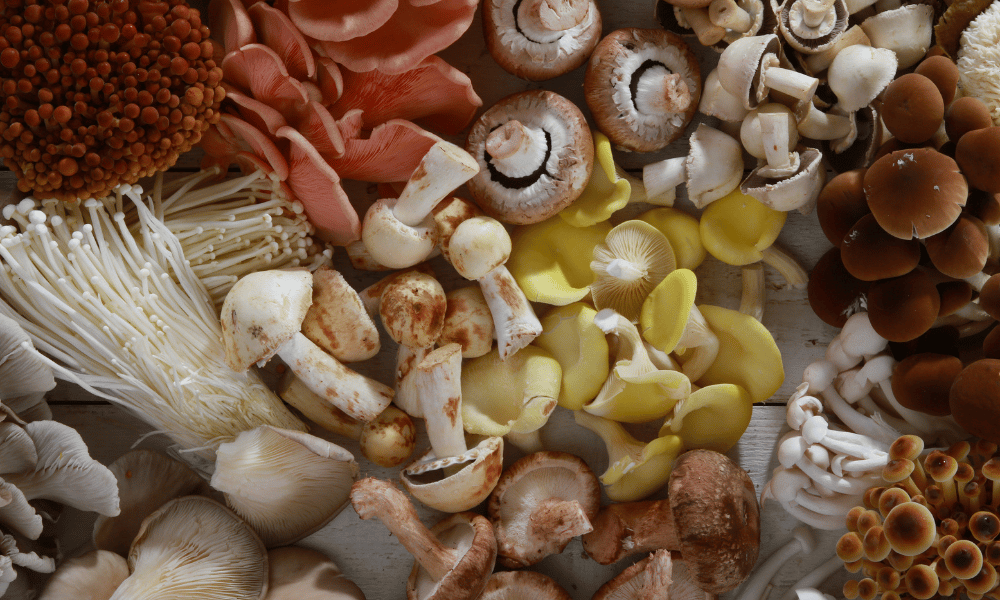
Not all mushrooms behave the same way in the microwave, and this is where a lot of people get tripped up. Density, water content, and cap size all change the timing.
As a rule, I microwave about 8 ounces of sliced mushrooms at a time, since overcrowding the bowl means uneven cooking. Use the table below as a starting point, then adjust in 15 to 30 second bursts depending on your microwave’s wattage.
A standard 1,000-watt microwave is what most of these times assume. If yours runs lower wattage, expect to add 30 seconds to a minute across the board.
| Mushroom Type | Prep | Microwave Time (8 oz) | Notes |
|---|---|---|---|
| White button | Sliced | 2-3 min, stir at 1 min | Releases the most liquid |
| Cremini / baby bella | Sliced | 2-3 min, stir at 1 min | Slightly earthier, same timing |
| Portobello | Sliced or whole caps | 3-4 min | Flip caps halfway if whole |
| Enoki | Trimmed, separated | 45-60 sec | Very delicate, check often |
| Lion's mane | Torn into chunks | 2-3 min | Dense, may need 30 sec extra |
| Canned, sliced | Drained | 30-45 sec | Already cooked, just reheating |
| Frozen, sliced | No thaw needed | 3-4 min | Cook straight from the freezer |
Special Cases: Enoki, Lion's Mane, Canned, and Frozen Mushrooms
The basic method covers common white button and cremini mushrooms, but several types and formats need their own approach.
Can I Microwave Enoki Mushrooms?
Yes, but enoki mushrooms are thin, delicate, and cook fast. Trim off the root cluster, separate the strands, and microwave covered for just 45 to 60 seconds.
I check these every 20 seconds after the first 30, since enoki go from perfectly tender to mushy and limp very quickly.
Microwaving Lion's Mane Mushrooms
Lion’s mane is dense and meaty, closer to a chicken breast in texture than a typical mushroom. Tear it into chunks rather than thin slices so it holds its shape.
Cover and microwave for 2 to 3 minutes, stirring once, then check for a tender but still slightly springy texture before adding another 30 seconds if needed.
Can You Microwave Canned Sliced Mushrooms?
Yes, and this is honestly the fastest option on this whole list. Canned mushrooms are already fully cooked, so you’re just reheating, not cooking from raw.
Drain them first, since canning liquid makes them watery and dull-tasting once heated. Spread them in a dish, cover, and microwave for 30 to 45 seconds until hot throughout.
This same quick-reheat logic applies to other canned vegetables — see how to microwave baby corn for another example of a pre-cooked veggie that just needs warming through.
Microwaving Frozen Mushrooms
One nice thing about frozen sliced mushrooms is that you don’t need to thaw them first. Straight from frozen, covered, they’ll take about 3 to 4 minutes, stirring at the halfway point.
It’s the same no-thaw convenience you get with how to microwave frozen peas — both are quick, freezer-to-bowl vegetables that don’t need advance planning.
Can You Bake Stuffed Mushrooms in the Microwave?
Technically no, not in the way a hot oven bakes them. The microwave won’t crisp breadcrumb toppings or brown cheese the way baking at 375°F does.
That said, you can absolutely cook stuffed mushrooms in the microwave if you’re after a soft, tender result rather than a golden top.
Arrange stuffed mushroom caps in a single layer in a microwave-safe dish, add a tablespoon or two of water to the bottom, and cover loosely.
Microwave on high for 3 to 5 minutes depending on cap size, checking that the filling is steaming hot in the center.
If you want that classic browned, bubbly top, finish them under the broiler for 1 to 2 minutes after microwaving — you get the speed of the microwave and the texture of the oven.
Microwaving Mushrooms for Recipes: Omelets, Stir-Fries, and Tipsy Sherry Mushrooms
Mushrooms rarely stand alone, so it helps to know how microwaving them fits into actual dishes people cook on a weeknight.
For an omelet, I microwave the sliced mushrooms separately first, drain any liquid, then fold them into the eggs once they’re cooked and cooking the eggs on their own. Trying to saute raw mushrooms and eggs together in one microwave step gives you watery, unevenly cooked eggs and undercooked mushrooms.
If you’re building a stir-fry style bowl, microwaved mushrooms pair well with a quick protein like how to microwave tofu, since both cook fast and neither needs oil to turn out well.
As for a fat-free, tipsy take on mushrooms, this just means cooking them with a splash of dry sherry or white wine instead of butter. Combine sliced mushrooms, a tablespoon of sherry, a little garlic, and a dash of soy sauce in a covered dish.
Microwave for 2 minutes, stir, then microwave another 1 to 2 minutes until the liquid reduces slightly and the mushrooms turn glossy. It’s a genuinely satisfying side dish with zero added fat.
Can You Cook Mushrooms, Refrigerate Them, and Reheat in the Microwave?
Yes, this is completely fine as long as you handle the timing correctly, and it’s actually how I deal with mushrooms most nights when I’m cooking for one.
Cool cooked mushrooms and get them into the fridge within 2 hours of cooking, per general food safety guidance from the USDA Food Safety and Inspection Service.
Store them in a sealed container and use them within 3 to 4 days. When you’re ready to reheat, spread them in a microwave-safe dish, cover, and heat in 30-second bursts, stirring between each.
You want the mushrooms to reach 165°F throughout, not just warm on the surface, before eating. If you don’t have a food thermometer, look for steam rising evenly and taste a piece from the center of the dish.
This same reheat-to-165°F rule applies whenever mushrooms are part of a larger leftover dish, like a curry — see how to reheat Japanese curry for a similar covered, stir-as-you-go approach.
Only reheat mushrooms once. Reheating the same portion multiple times increases the chance for bacterial growth each time the food sits in the temperature danger zone between 40°F and 140°F, according to the USDA FSIS guidance on microwave ovens and food safety.
Tips for Perfectly Microwaved Mushrooms Every Time
A few small habits make the difference between rubbery mushrooms and genuinely good ones.
Skip the oil. Mushrooms release their own water as they cook, so butter or oil isn’t doing much except adding fat. If you want flavor, a splash of soy sauce or teriyaki works better than fat ever does in a microwave.
Always slice before cooking. Whole mushrooms cook unevenly in the microwave, and this is the single biggest reason people end up with a rubbery outside and raw middle.
Don’t expect browning. The microwave heats through steam and moisture, not dry radiant heat, so you won’t get the deep caramelized crust a hot skillet gives you.
That’s simply how the appliance works, and no amount of extra time will fix it — it just overcooks the mushrooms instead.
The same no-oil, no-browning logic applies to other vegetables cooked this way, like how to microwave tomatoes, where you get tender results but never a roasted char.
Let them rest for a minute after cooking. Mushrooms hold heat and steam intensely because of their water content, and I’ve burned my fingers more than once pulling the dish out too fast.
Microwave vs. Stovetop: Which Is Better for Mushrooms?
Speed is the microwave’s biggest advantage. A full 8-ounce batch cooks in 2 to 3 minutes, versus 5 to 10 minutes sauteing in a pan, and there’s no need to preheat anything.
Cooking mushrooms without added fat also keeps the calorie count lower. Raw white mushrooms are naturally low in calories and mostly water, according to USDA FoodData Central’s entry for raw white mushrooms, and skipping the oil keeps it that way.
Where the stovetop wins is texture and flavor development. A hot skillet drives off moisture and browns the mushroom’s surface, building a deeper, savory flavor the microwave simply can’t replicate.
The microwave is also more forgiving of small mistakes when you’re using it for prep work, like softening mushrooms before adding them to a topping — handy if you’re building a how to microwave pizza situation and want the mushrooms fully tender before they land on top.
My honest take after years of doing both: microwave for a quick side or a recipe component, stovetop when mushrooms are the star of the plate.
One last note worth mentioning — only cook cultivated mushrooms you’ve bought from a grocery store or reputable market. Wild foraged mushrooms can be toxic even when properly identified-looking, and misidentification is a genuine health risk covered by MedlinePlus’s page on mushroom poisoning.
No cooking method, including the microwave, makes an unsafe wild mushroom safe to eat.
Frequently Asked Questions
Can you cook mushrooms and then put them in the fridge and reheat in the microwave?
Yes. Cool cooked mushrooms and refrigerate within 2 hours, keep them for 3 to 4 days, then reheat covered in the microwave in 30-second bursts until they reach 165°F throughout.
Can you microwave canned sliced mushrooms?
Yes, canned mushrooms are already cooked, so just drain them and microwave covered for 30 to 45 seconds until heated through.
How long does it take to cook mushrooms in the microwave?
For a typical 8-ounce batch of sliced button or cremini mushrooms, expect about 2 to 3 minutes total on high, stirring once at the halfway point.
Can I microwave enoki mushrooms?
Yes, but enoki are delicate and only need 45 to 60 seconds covered, since they overcook quickly compared to denser mushroom varieties.
Can I bake stuffed mushrooms in the microwave?
You can cook them in the microwave for a soft, tender result in 3 to 5 minutes, but for a browned, crisp top you'll need to finish them briefly under the broiler.