
Contrary to popular belief, there is far more to chilli peppers than tongue-numbing spice. Each chilli pepper has its unique characteristics.
What better way to understand the variety of chilli peppers available to help improve your kitchen expertise than to compare some of the most popular and well-loved chilli peppers in the entire world? Let’s start with Aleppo pepper and gochugaru.
As you would expect from chilli peppers, spice significantly separates Aleppo pepper and gochugaru. Even the hottest commercial gochugaru only reaches 8,000 Scoville heat units, while Aleppo pepper is closer to 10,000.
What is Aleppo Pepper?
Though it has pepper in the name, Aleppo pepper is not actually a kind of pepper.
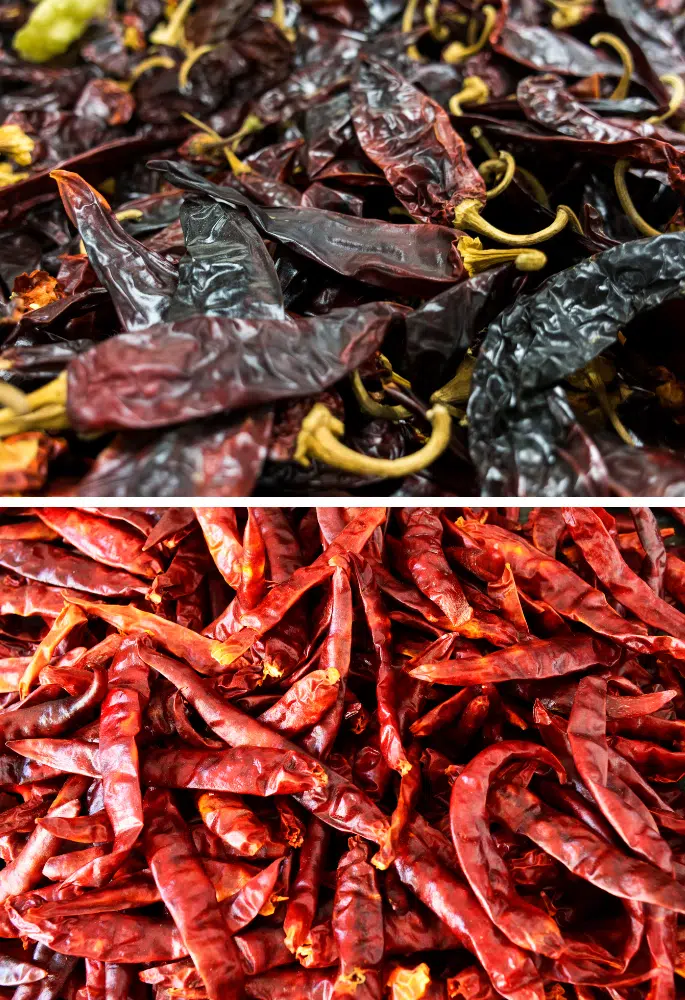
Rather it is a variety of chilli flakes made from the middle eastern red chilli pepper, the Halaby pepper. As such, you will more often than not find a jar of Aleppo pepper in most Middle Eastern homes.
There are some traditional uses for Aleppo pepper, such as to season meats or to use in a muhammara dip.
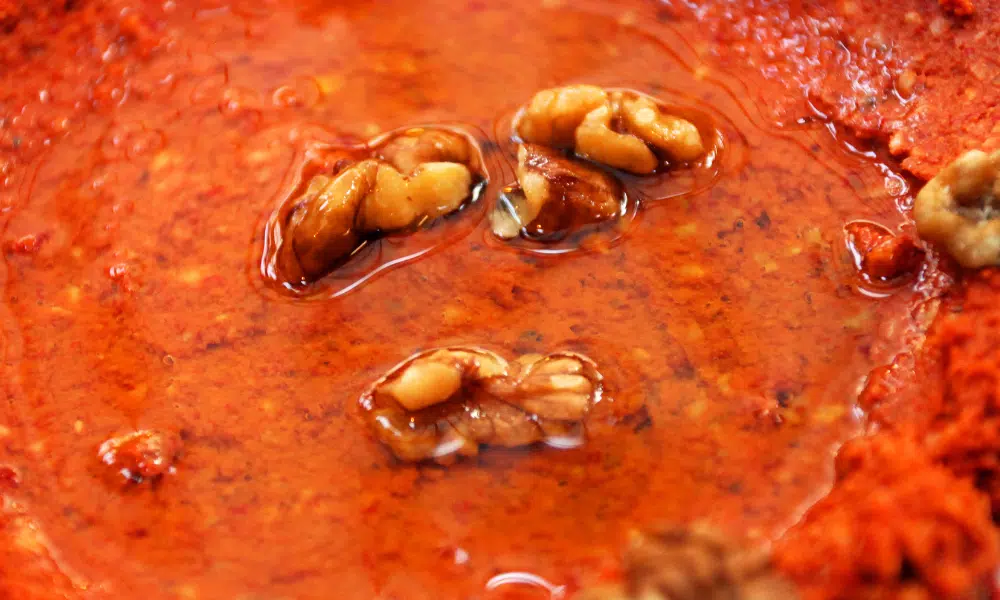
However, as the flakes do not typically include any other seasoning, getting all of its flavours from the dried and de-seeded Halaby peppers, it is an extremely versatile ground pepper.
Aleppo pepper has a moderate amount of spice at around 10,000 Scoville heat units. This heat doesn’t feel as hot as it is because it slowly builds instead of creating a hot punch.
What is Gochugaru?
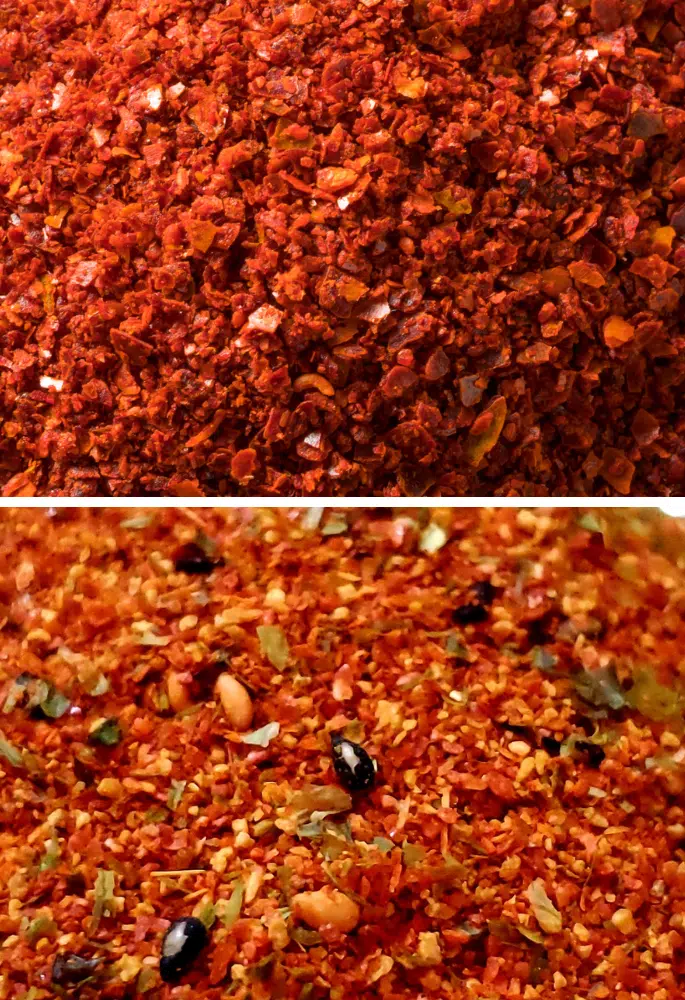
As far as Korean ingredients go, gochugaru is about as popular and essential as it gets. There are plenty of commercial gochugarus on the market, though it is also a popular condiment to make at home, and is easy to make, too.
Sometimes called Korean chilli flakes, gochugaru can vary in spiciness depending on who is making it, though it will rarely be any milder than 4,000 Scoville heat units, making it hotter than some jalapeño peppers.
It all depends on the type of red chilli pepper used to make the flakes, the most traditional being taeyangcho.
No matter the peppers used to make gochugaru, it is essential that they are sundried before being ground into either flakes or a powder, as this is what gives the gochugaru its iconic hint of smokiness.
Both gochugaru and gochujang are Korean staples, but they are not technically the same. Gochugaru is a ground chilli pepper, while gochujang is a paste with vastly different uses.
Similarities Between Aleppo Pepper and Gochugaru
From the above description, you may think that Aleppo pepper and gochugaru have no comparable points of interest at all, but that is false. They do have some similarities to note:
Red Chili Peppers
Chili peppers do not just add flavour and spice to your dish but also colour.
Aleppo pepper and gochugaru are sought after because of the vibrancy that they can provide your dish.
Cultural Staples
Though Aleppo pepper and gochugaru originate from vastly different cuisines, they are an essential part of the culture from which they hail.
They have wound their way into countless recipes of their respective cuisines and have earned the title of household staples.
Red Chilli Flake Varieties
The biggest similarity between Aleppo pepper and gochugaru is that they are both forms of red chilli flakes that are also available in powdered form depending on the manufacture or the flakes.
They are to be used in a similar manner to other red chilli flakes like cayenne powder and can be the perfect addition to a range of dishes.
Fruity Taste
Spice is not the only flavour that Aleppo or gochugaru possess. Both red chilli flakes also have a subtle hint of sweetness that comes through in the form of a fruity tang.
This helps to balance out their spicey elements and makes the flakes more bearable.
Differences Between Aleppo Pepper and Gochugaru
When comparing any chilli peppers or chilli pepper products, there are a handful of characteristics that separate one pepper from the next. These same characteristics are what make Aleppo pepper and gochugaru differ:
Scoville Heat Units
A defining characteristic of any hot chilli product is exactly how hot and spicy it is, which is measured via the Scoville heat scale.
Gochugaru has more variety than Aleppo, ranging from roughly 4,000 to 8,000 Scoville heat units commercially. Aleppo pepper on the other hand averages at 10,000, which is significantly hotter than the milder gochugaru.
Heat Distribution
If you were to use enough gochugaru in your dish, its heat and flavour would become obvious with the very first bite. It is more like a powerful punch, as are most red chilli products. But Aleppo pepper is different.
One of the chilli pepper’s more unique and defining characteristics is how it slowly releases heat and flavour as it is enjoyed instead of packing a punch immediately.
It is a good way to introduce a hotter heat to your meal time without it becoming overwhelming.
Earthy vs Smokey
Gochugaru can be made with various red chilli peppers so long as they are red and sun-dried.
Allowing the chillies to sun dry naturally makes the peppers develop a smoky flavour evident in the final product.
Aleppo pepper does not have the same requirements of its drying process, meaning that the natural earthy flavour of the Halaby pepper is more obvious.
Type of Pepper Base
Simply, a large reason that Aleppo pepper and gochugaru are so different is that they use different varieties of red chilli pepper.
Aleppo pepper uses the Middle eastern Halaby pepper, while gochugaru is made using primarily the taeyangcho pepper, but can use other red chilli peppers too.
Aleppo Pepper vs Gochurgau: Which Wins?
If you were restricted to using just one type of chilli in your cooking in future, which would you opt for? Would it be Aleppo that gets your vote or would you choose to go with gochugaru?
Do You Prefer Aleppo Pepper or Gochugaru?
Comparing Other Chillies
From super hot and fiery to mild and fruity, there are certainly a lot of chillies out there. But how do others compare?
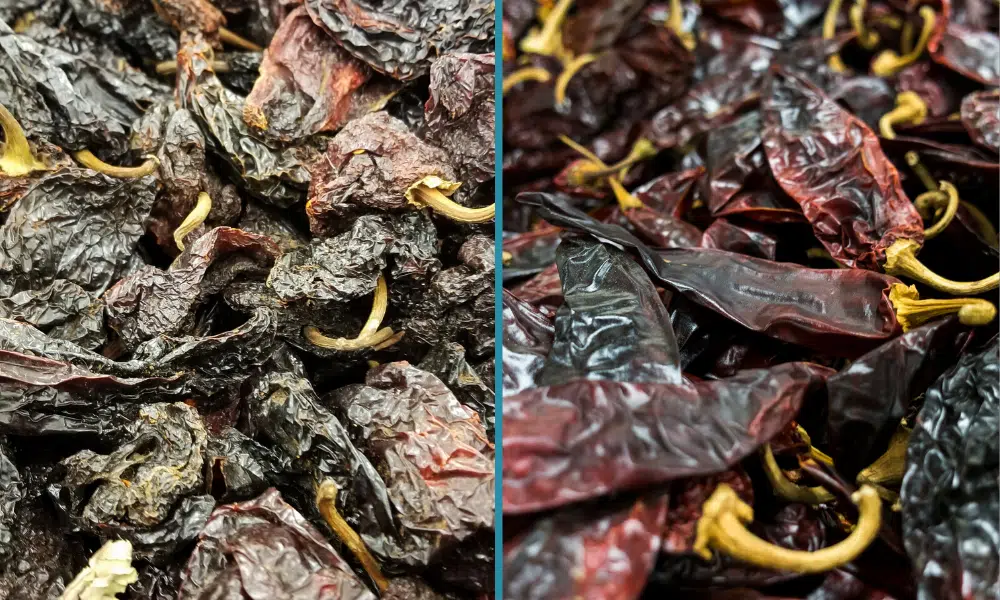
Aleppo Pepper and Gochugaru FAQs
If you have more questions about what makes these chillies similar, then have a look through these FAQs:
If you need a quick substitute for gochugaru, then Aleppo pepper would work well. Cayenne pepper and red chilli flakes mixed in equal parts would also work really well.
Gochugaru is the best choice but you could also use Aleppo pepper or Kashmiri chilli powder. You will always want to choose a deseeded chilli pepper.
Sources
Where we obtain our information and verify the facts in this article:
Bon Appetit
What is Aleppo pepper
Masterclass
What is gochugaru

Acacia may be a freelance writer by day, but they are a food fanatic by night. They are always trying out new recipes or finding different ways to elevate classical dishes. But their biggest culinary aim is to educate others on the basics of the kitchen so that they too can enjoy delicious food.