
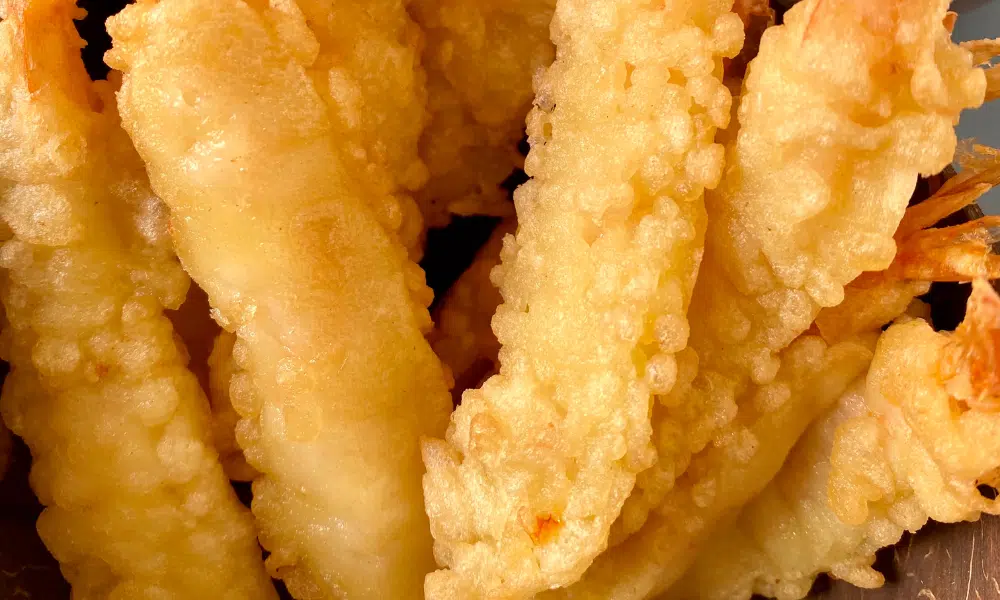
Like many traditional Japanese dishes, shrimp tempura doesn’t need a side of rice or sauce to make a stand-out meal. The deep-fried crispy batter surrounding the perfectly seasoned shrimp is all that is needed to satisfy your cravings, no matter if you make the tempura yourself or order from your favourite Japanese takeout.
Such a simple dish is easy enough to make but can be quite a hassle due to the frying aspect of the dish. To save yourself an abundance of oil, simply make an extra batch of shrimp tempura and reheat it the next day!
To reheat shrimp tempura, pop them onto a wire rack then into an oven at 200C for around 5 minutes. You should avoid reheating shrimp tempura in a microwave.
How to Reheat Shrimp Tempura
Though shrimp tempura is traditionally made by deep frying battered shrimp in a vat of oil, there are several ways to reheat the shrimp tempura.
So long as you can maintain the crispiness of the tempura, you can use any of the following reheating techniques below and still have delicious results:
How to Reheat Shrimp Tempura in the Oven
Despite an oven not being the traditional cooking method used for making shrimp tempura, you can use your oven to make the batter of the shrimp tempura super crispy once more.
Better yet, you don’t need to use any extra oil, so it is the perfect reheating method for those who want a healthier alternative:
- Preheat The Oven
Before you get started reheating your shrimp tempura, preheat your oven to 200C for 10 to 15 minutes. - Add A Baking Tray
Your shrimp tempura may produce some crumbs while reheating, so place a sizable baking tray at the bottom of your oven to make it easier to clean up any crumbs once you have reheated the shrimp. - Arrange The Tempura
While your oven is heating up, place your leftover shrimp tempura on an oven-safe wire rack. Space the tempura out as much as possible. - Reheat
When your oven is hot enough, place your wire rack in the centre of your oven and reheat for 5 minutes. - Check
After 5 minutes, check on the shrimp tempura to ensure the batter is not burning. If the shrimp is still cold, but the batter is burning, move the tray rack further down in the oven or cover it with a sheet of foil but do not adjust the heat. - Serve
As soon as your shrimp tempura is hot enough once more, remove the tempura from your oven and serve straight away.
How to Reheat Shrimp Tempura in the Air Fryer
Like with your oven, a healthier way to reheat your shrimp tempura without relying on or wasting a lot of oil is by using an air fryer.
Air fryers have been specially designed to work as a deep-fat fryer would, all while using the smallest amount of oil. The air fryer is an ideal way to make the shrimp tempura batter super crispy once again. Here is how:
- Preheat The Air Fryer
For the best results, preheat your air fryer to 175C for two minutes or until hot enough. - Arrange Shrimp
Take your left-over shrimp tempura and space them out as much as possible in the basket of the air fryer. The more spaced out you can make the shrimp, the better and more evenly they will reheat. - Add Oil
For the ultimate crispy shrimp tempura, add just a teaspoon or so of oil and drizzle it over the tempura. - Reheat
Set your air fryer timer to 2 minutes and leave the tempura to reheat until crispy. - Check
Because of how an air fryer works, you will need to keep an eye on the shrimp tempura as it reheats to ensure that it does not overcook. You may need to leave the tempura for up to 3 minutes, but no longer. - Serve
As soon as the shrimp tempura is crispy enough, serve straight away.
How to Reheat Shrimp Tempura Successfully
Nothing is worse than getting ready to bite into the crispy batter of shrimp tempura only to find that the batter is clumpy and soggy, falling apart the moment you sink your teeth in.
This disappointment is very likely to happen if you fail to reheat your shrimp tempura well.
To avoid soggy and gross shrimp tempura, here are a few tips to ensure a successful reheat:
- Avoid The Microwave – It is well known that the microwave is not a very sure way to make crispy things crispy again. Unless you have a spectacular microwave, the type of heat produced by a microwave will make your shrimp tempura soggy and damp.
- Follow The Timings Carefully – The batter used for shrimp tempura is a simple and basic batter that can easily be overcooked when reheated. You should not need to reheat your shrimp tempura for longer than the times detailed above, which are the ideal times to avoid overcooking the tempura.
- Know How To Tell When Shrimp Tempura Is Reheated? – You can use a fork, knife or skewer to check if your shrimp tempura is ready to serve. Stick your chosen object into the centre of the shrimp and pull it away quickly. If the tip is still cold, it must be reheated for longer.
Is It Safe to Reheat Shrimp Tempura?
Yes, shrimp tempura is safe enough to reheat.
In fact, you can enjoy leftover shrimp tempura that has been refrigerated for up to 4 days without any issues. You can safely eat the shrimp tempura cold or hot.
Reheating Shrimp Tempura FAQs
If you’re still left with questions about reheating shrimp tempura or tempura in general then these FAQs might help:
Vegetable tempura can be reheated in the oven at 200C or in an air fryer. It should never be reheated in the microwave. 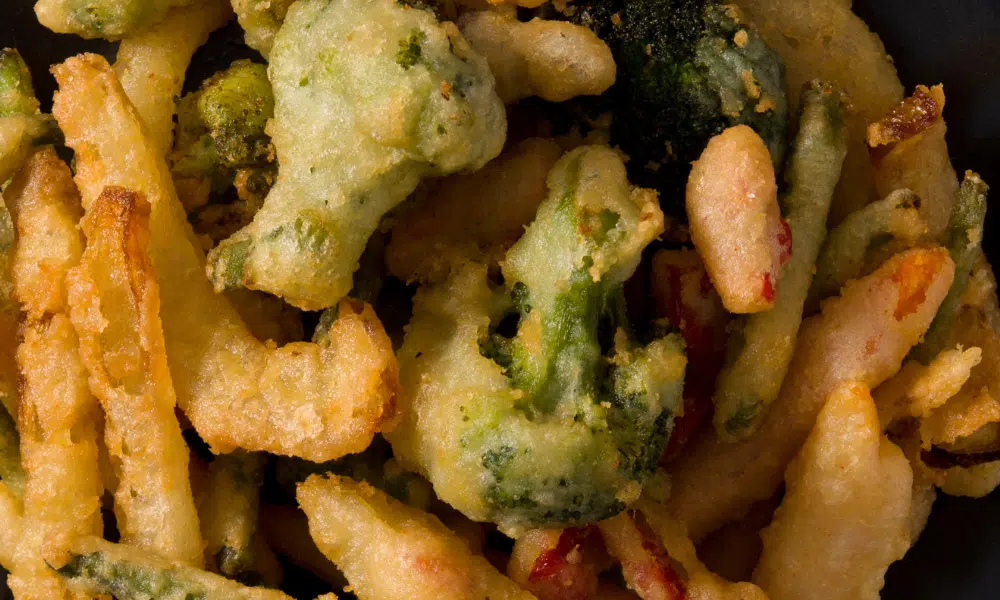
Using the microwave. is a bad idea for deep-fried foods as the batter becomes soggy and soft. Ultimately, batter adds a crispy texture, and you will lose this in the microwave.

Acacia may be a freelance writer by day, but they are a food fanatic by night. They are always trying out new recipes or finding different ways to elevate classical dishes. But their biggest culinary aim is to educate others on the basics of the kitchen so that they too can enjoy delicious food.