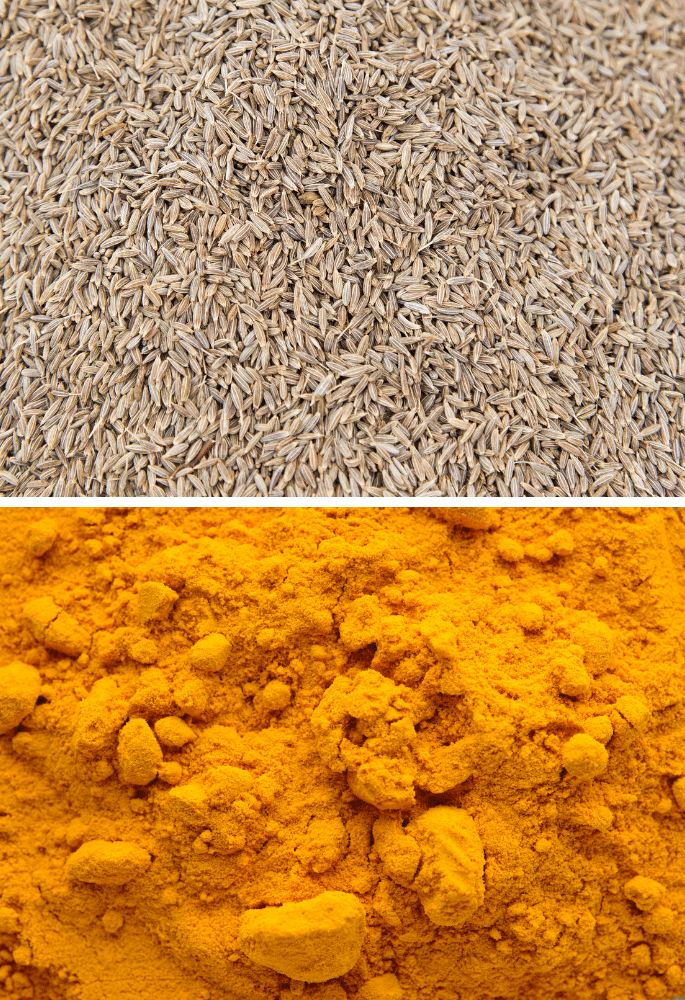

Japanese curry is a staple Japanese dish, combining an array of spices that create such a burst of flavour that you can’t help going back for more.
It is often easier to cook Japanese curry in larger batches as it usually takes over an hour to make, but what should you do with all that leftover curry? Simple, reheat it to enjoy it again!
To reheat Japanese curry, transfer it to a saucepan and then heat it over a low heat with a splash of water for around 10 minutes. Ensure you stir it regularly to avoid it sticking. You can also reheat it in the microwave.
How to Reheat Japanese Curry
The biggest task in reheating Japanese curry is ensuring that the curry sauce remains moist and flavourful.
This can be hard to do but using a saucepan or microwave to reheat your curry will give you more control over any changes in the curry’s texture. To find out how follow either of the 2 methods we have detailed below:
How to Reheat Japanese Curry on the Stovetop
When you have a larger batch of curry to reheat or find that your curry needs to be thinned out after being in the fridge, use a saucepan to simmer and reheat your curry.
This method will only take a few minutes, but the resulting texture of the curry will be well worth the effort:
- Transfer to a Saucepan
Pour your leftover Japanese curry into a good-sized saucepan. Use a pan with enough room to simmer your curry without it spilling over. - Add Some Water
To reheat Japanese curry, you will need to thin out the curry so it can simmer and properly heat through, especially if you find the curry has gone lumpy or thick in the fridge. Only add around 3 tablespoons of water to the curry. Any more water and the curry will be too thin. - Simmer
Setting the stove to a low heat, place the saucepan on the stovetop and cover with a lid. This will stop that moisture you added from escaping. Leave to simmer for 2-3 minutes. - Stir and Simmer Again
Gently agitate the curry by stirring it, making sure to scrape the bottom of the pan to release any curry that may have become stuck. Then cover the pan once more, leaving it to simmer for 2-3 minutes. - Reheat the Rice
While your curry is reheating, you can take the time to warm up the rice in the microwave. Empty the rice into a microwaveable bowl and cover with a damp cloth or kitchen towel. Microwave for 1-2 minutes or until completely hot. - Serve
When both your curry and rice are heated through, pour the curry over your rice and enjoy it right away!
How to Reheat Japanese Curry in the Microwave
It can be tempting to shove your Japanese curry and rice into the microwave and hope for the best when you need a quick lunch or don’t have the energy to cook. But this could make an otherwise delicious meal turn watery and gross.
Instead, try this for a meal you will enjoy:
- Prepare a Damp Paper Towel
To add moisture to your Japanese curry, run a kitchen towel or some paper towels under water until slightly damp and lay them at the bottom of your microwave. When heated, this will create extra moisture, which the rice and curry can absorb. - Transfer to a Better Bowl
Pour your curry into a glass or ceramic bowl to reheat. While you could microwave Japanese curry directly in the container you have stored it in, using a microwaveable bowl or plate will better disperse the heat and allow for a more thorough reheat. - Cover With Plastic Wrap
Cover the bowl with tightly wrapped plastic wrap to prevent the curry from drying. Poke a few holes into the makeshift lid, so the curry doesn’t become too watery. - Prep the Rice
If you are reheating your curry with rice, keep the rice in a separate container to prevent it from stealing the moisture of the curry when heated. Leave the lid of the container half resting on top of the rice. - Reheat
Set your microwave to a high temperature and heat your Japanese curry and rice together at 30-second intervals for 3-4 minutes or until piping hot. Give your rice and curry a good stir every 30 seconds to prevent the rice from clumping together or the curry from burning.
How to Reheat Japanese Curry Successfully
The above methods for reheating Japanese curry are easy enough to follow and can guarantee you great tasting results every time. But for complete reheating success, here are a few more helpful tips:
- Store The Rice Separately – A common problem people find when trying to reheat Japanese curry is how dry their curry becomes when kept in the fridge. This is because the rice soaks up any additional moisture in the storage container, including that of the curry.
- Replace Water With Chicken Stock – Most Japanese curry recipes use chicken stock in place of water for a more flavorful sauce. You can do the same if you accidentally overheat the curry and need to hydrate it but don’t want to dilute the flavour.
Is It Safe to Reheat Japanese Curry?
Yes, Japanese curry is safe to reheat. You just have to heat it thoroughly to kill any lingering bacteria that may have latched onto the meat or vegetables in the curry while in the fridge.
But using a microwave or simmering the curry on the stove for long enough will see to that with no problems!
Reheating Japanese Curry FAQs
If you still have questions about reheating Japanese curry then these FAQs will probably help you out a little:
Yes, katsu curry can be reheated in the microwave. Cover the curry with a damp paper towel and microwave for around 4 minutes. However, you may want to reheat the deep-fried chicken or vegetables in the oven to avoid them going soggy. 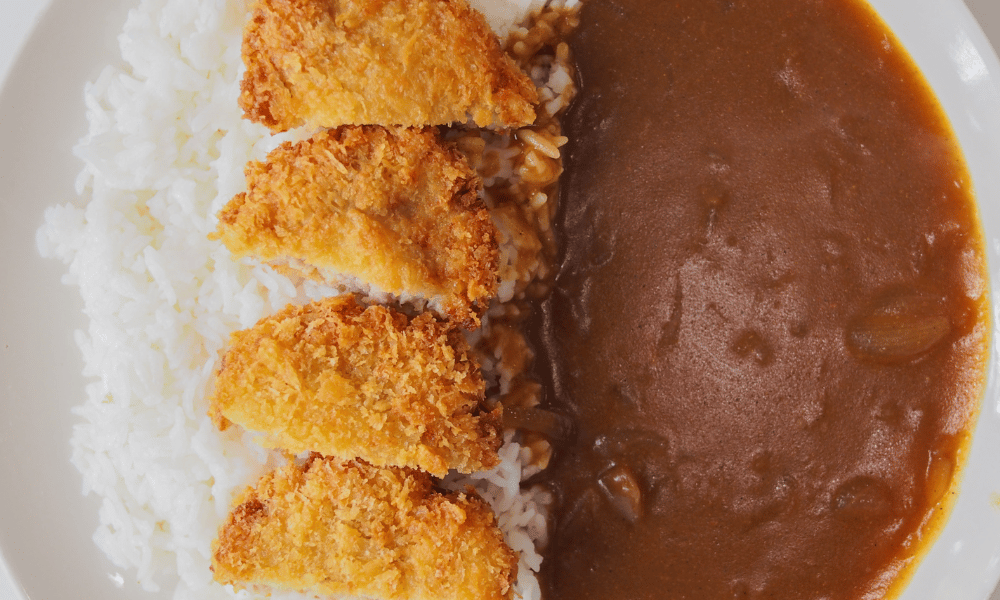
You should reheat Japanese rice in the microwave to avoid ruining the texture. Transfer the rice to a microwave-safe dish, cover with a damp kitchen towel and then microwave for 2 minutes until hot.

Acacia may be a freelance writer by day, but they are a food fanatic by night. They are always trying out new recipes or finding different ways to elevate classical dishes. But their biggest culinary aim is to educate others on the basics of the kitchen so that they too can enjoy delicious food.