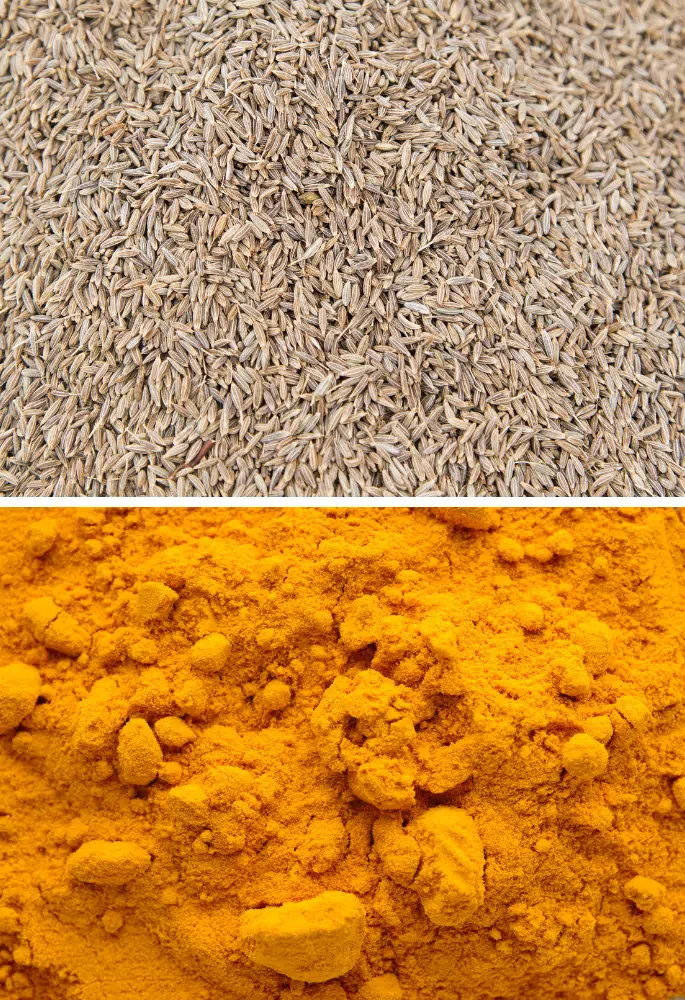

It’s so frustrating when you head to your favourite search engine, look up a recipe and come across endless options that require complicated tools, expensive equipment and weird ingredients. So if you want to learn how to boil dal, in a pot, then this is for you.
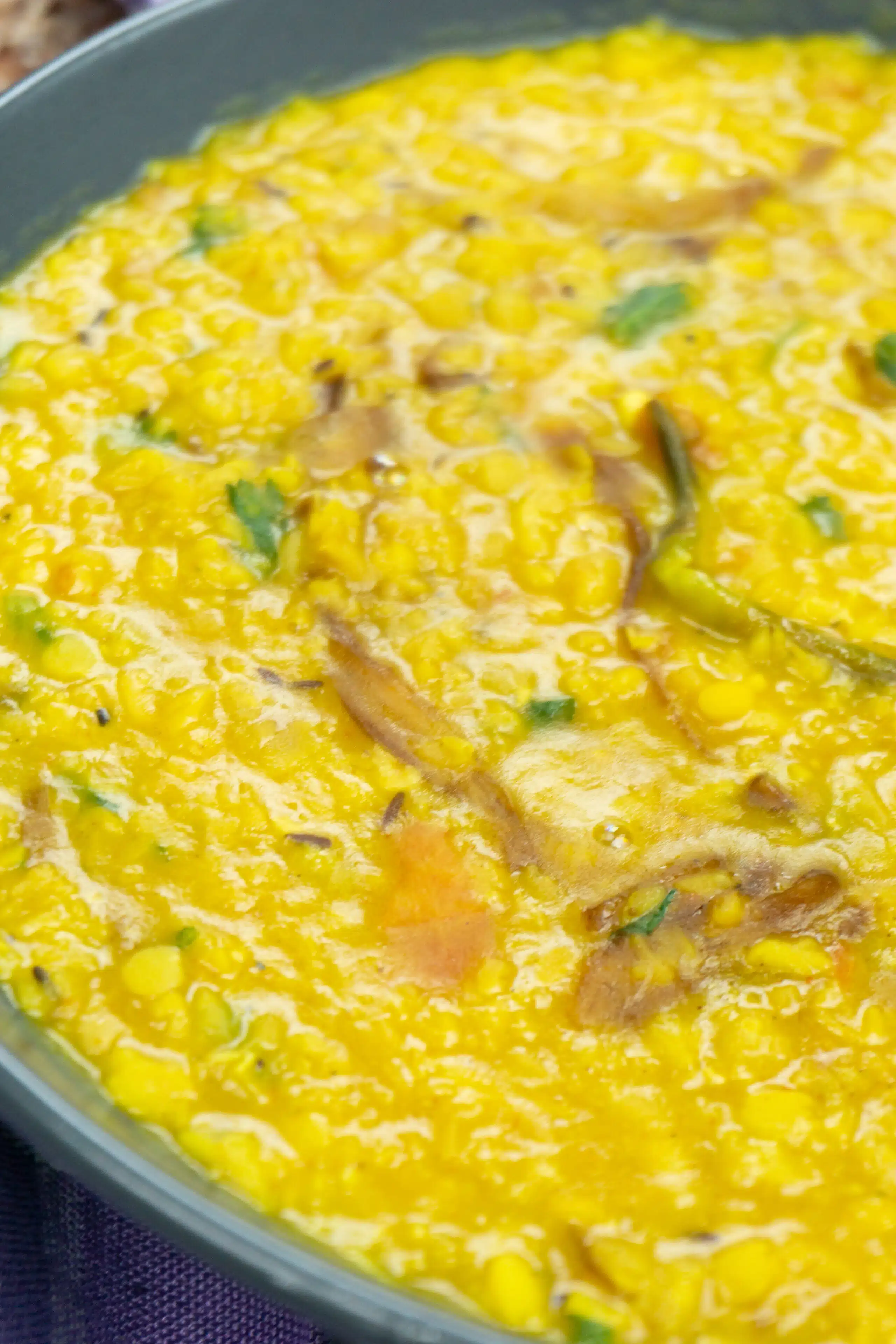
You don’t need a pressure cooker or instant pot. You don’t need to head to your local Asian supermarket to buy a weird spice you’ll never use again. As long as you’ve got a bag of lentils, you can follow this recipe.
What You’ll Need to Boil Dal
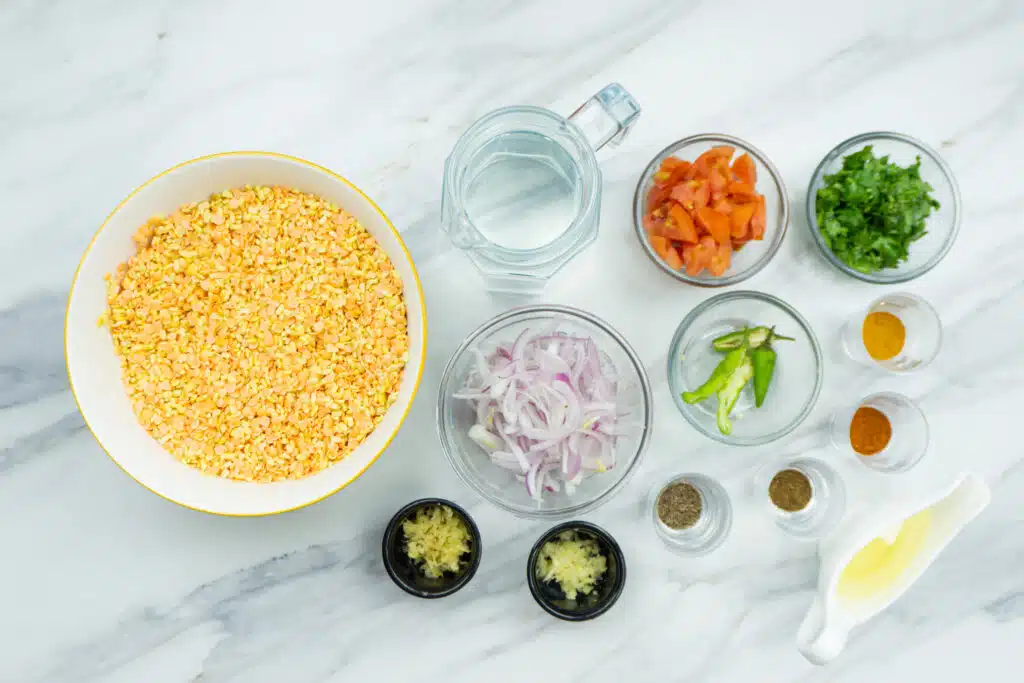
Below are the ingredients for making the most delicious dal you’ll have ever had for 4 people. You actually only need lentils, water, turmeric and salt to boil dal. The rest of the ingredients are what turn this into a complete dish.
- 200g Lentils: You can opt for literally any type of lentils you want here. Popular options in Indian cuisine would be toor (pigeon peas), masoor (red lentils), moong (yellow lentils or green lentils) or chana dal (split chickpeas).
- 1l Water: You’ll want to use a ratio of 1 part lentil to 5 part water when boiling dal.
- 1 tsp Ground Turmeric: Turmeric powder is an easy way to impart some flavour into the lentils when you’re boiling them.
- 1 Onion: Onion is a must for the base of pretty much any curry-type dish and that’s no different here. 1 onion, sliced up, is plenty here.
- 2 Tomatoes: Tomatoes add acidity and will break down into a sauce with the lentils. You’ll need 2 tomatoes roughly chopped.
- 2 Green Chillies: Green chillies add heat but also a subtle fruitiness to the curry. Don’t chop these up but just slit them lengthways.
- 2 Garlic Cloves: Like onion, garlic is also a must for any curry. 2 minced cloves of garlic will be plenty.
- 1-inch Ginger: Grated ginger will add a subtle warmth to the base of the curry.
- 1 tsp Cumin Seeds: Cumin is a spice synonymous with Indian cooking so it needs to be included in your dal base. You’ll want to use the Indian technique of tadka to infuse the oil.
- 1/2 tsp Red Chilli Powder: Adjust this for your own needs but remember you’ve also got hot green chillies in here already.
- 1/2 tsp Garam Masala: Garam masala is a shortcut to getting lots of flavour into your dal without needing lots of different spices.
- 2 tbsp Fresh Coriander: Coriander adds freshness to what is quite a rich dish and is the go-to herb for curries.
- 2 tbsp Ghee or Oil: If you have it, then ghee would be the best option for cooking the base of the dal, but oil will work fine too.
How to Boil Dal
Got your ingredients together? Then you’ll need one pot to cook the dal and another to make the base of your curry before
- Soak the Dal
Clean and wash the dal. Soak it in water for 1 hour. Soaking the dal will save on the cooking time and will help to remove any impurities. - Dal Preparation
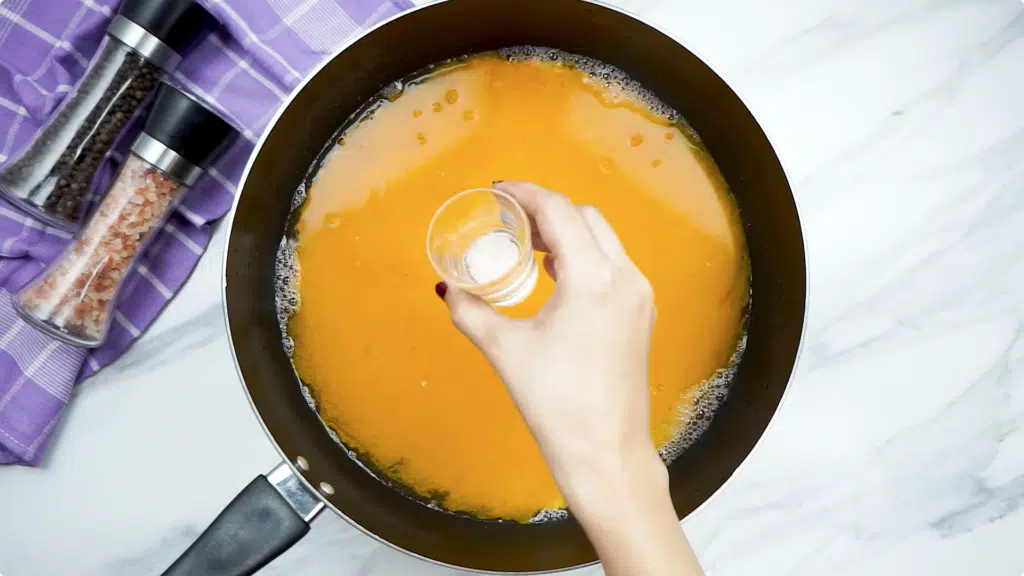
In a pot, add the soaked dal, turmeric, salt, and water. Bring to a boil and then simmer until the dal is tender. The time it takes differs depending on the type of lentil you have used.- Toor Dal: 30-40 minutes
- Masoor Dal: 15-20 minutes
- Moong Dal: 20-25 minutes for split and 40-45 minutes for whole
- Chana Dal: 40-50 minutes
- Tadka
In a separate pan, heat ghee or oil. Add cumin seeds. Once they splutter, add chopped onions. Saute until golden. Add ginger, garlic, and green chillies. Saute for 2 minutes. This process is known as tadka which is tempering the oil.
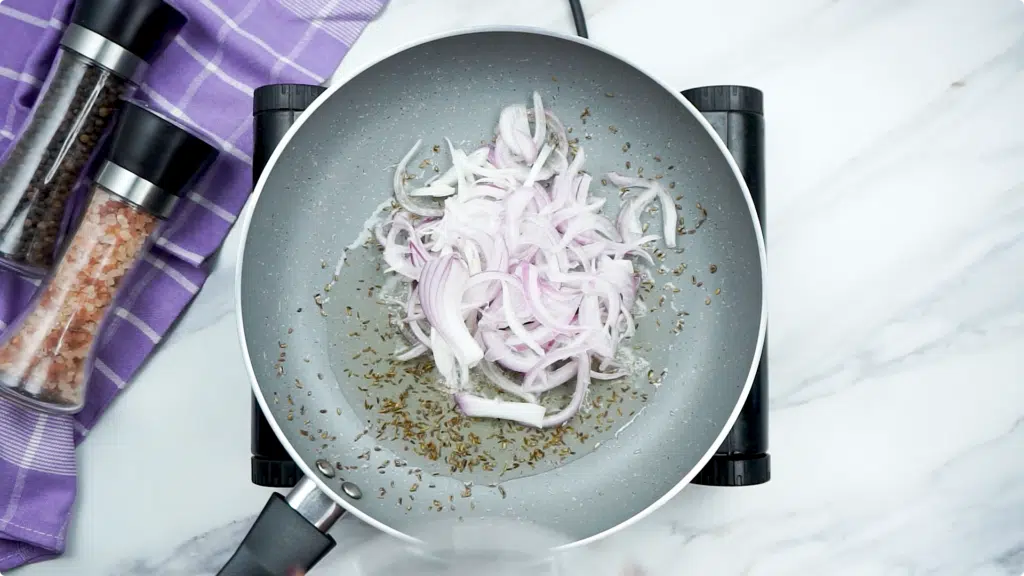
- Add Tomatoes
Add the chopped tomatoes to the pan and cook until they’re soft and the oil starts separating.
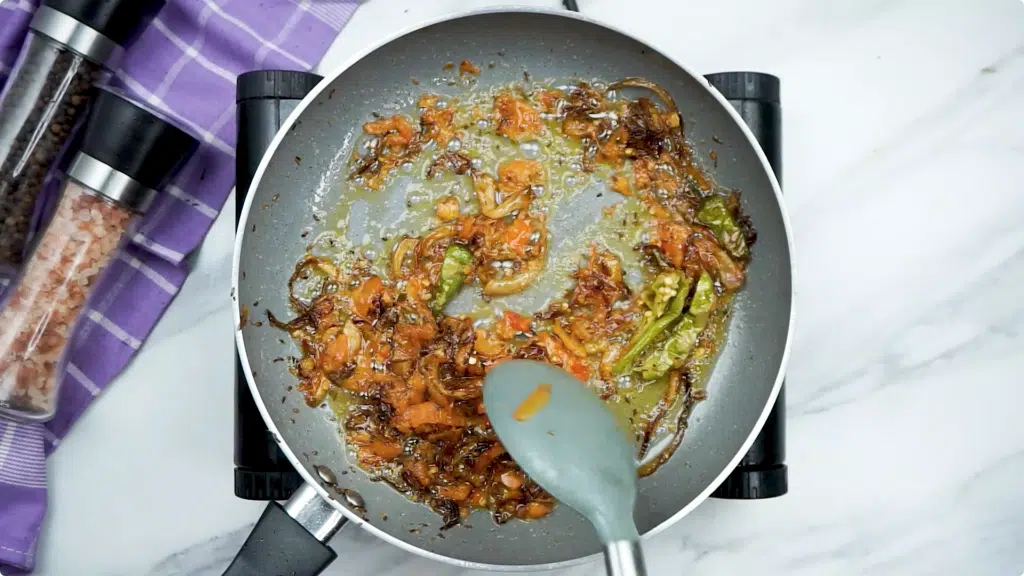
- Combine
Pour this tempering mixture into the pot with the boiled dal. Mix well.
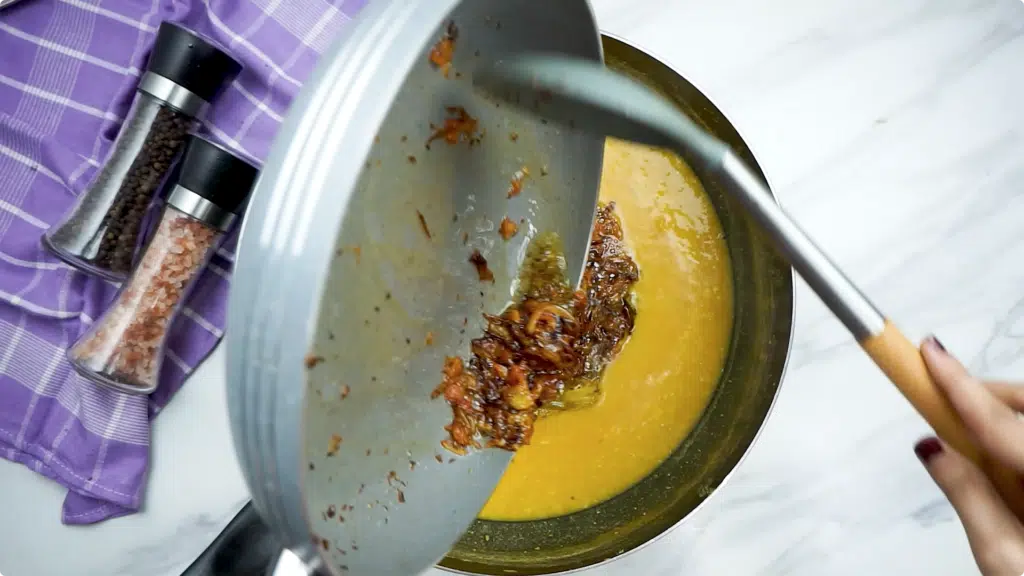
- Final Seasoning
Add red chilli powder and garam masala. Stir well and let it simmer for another 5-7 minutes. - Garnish and Serve
Finish with chopped fresh coriander. Serve hot with a squeeze of lemon juice, accompanied by rice or flatbread.
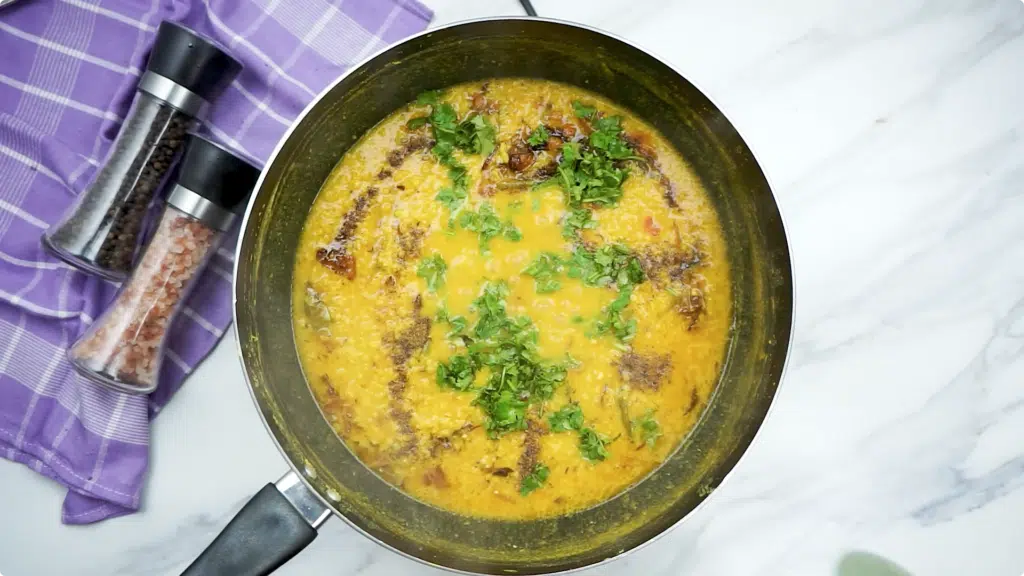
Substitutes and Tweaks
I’ve used a pretty basic set of Indian spices here, but you could include mustard seeds, star anise, curry leaves or cardamom.
If you want a creamy dal then add 100ml of coconut milk to the pan towards the end of the cooking.
Give it some texture by garnishing it with sliced almonds and crispy shallots.
If you want to balance out all of the spice, stir through a spoonful of natural yoghurt before serving it.
Give it a nutritional boost by stirring through a handful of spinach or kale at the end of the cooking process until it has wilted.
Bulk it out further by adding some pan-fried paneer or tofu cubes to the top before serving it.
Tips for Boiling Dal Template
There are a few things you’ll want to do when boiling dal. Here are my tips:
- Rinse Beforehand: As you would with rice, give the lentils a thorough rinse. This will remove dust, starch and any impurities. Keep rinsing until the water runs clear.
- Avoid Overcrowding: Use a large enough pot to ensure the dal has enough space to expand as it cooks.
- Simmer: Once the dal starts boiling, reduce the heat to maintain a consistent simmer. Vigorous boiling can break the lentils and make the dal mushy.
- Skin the Foam: A frothy layer might form on the surface as the dal begins to boil. Simply skim this off for a clearer and cleaner dal.
- Mash Some: If you want a creamier dal, then remove a few spoonfuls of the lentils and mash or blend before adding them back into the pan.
- Check for Doneness: The best way to check if the dal is cooked is by pressing a grain between your fingers. It should mash easily.
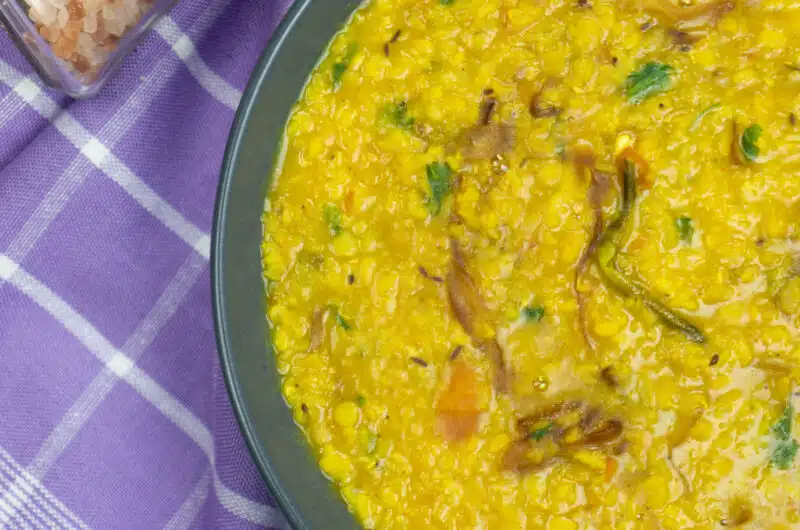
Boiled Dal with Indian Tadka
Course: MainCuisine: IndianDifficulty: Easy4
servings30
minutes40
minutes1
hour10
minutesA simply boiled dal curry that’s mixed with a tempered oil filled with fragrant spices and rich tomatoes.
Ingredients
200 g Lentils (toor, masoor, moong or chana dal)
1 l Water
1 tsp Ground Turmeric
1 Onion, Sliced
2 Tomatoes, Chopped
2 Green Chillies, Slit Lengthways
2 Garlic Cloves, Minced
1-Inch Ginger, Grated
1 tsp Cumin Seeds
1/2 tsp Red Chilli Powder
1/2 tsp Garam Masala
2 tbsp Fresh Coriander
2 tbsp Ghee or Oil
Directions
- Clean, rinse and wash the dal, then soak it in water for around an hour.
- Add the soaked dal, 1l of water, turmeric and pinch of salt to a pan. Bring it to a boil and then turn it down to a simmer until the dal is cooked through.
- In another pan, heat the ghee or oil, then add your cumin seeds. Allow them to spit a little before adding the onions. Cook until golden, then add the ginger, garlic and chillies. Continue to cook for a further 2 minutes.
- Add the chopped tomatoes to the pan and cook for a few minutes until they soften and the oil splits.
- Add this mixture to the now-cooked dal and combine. Ensure it is evenly distributed through the lentils.
- Add chilli powder and garam masala to season it, stir and simmer for a final 5 minutes.
- Garnish with a pinch of fresh coriander and a squeeze of lemon juice before serving with rice or flatbreads.
Recipe Video

Hailing from Liverpool, Oliver is an adventurous chef with a penchant for exploring diverse cuisines and novel ingredients. Ollie, combining his love for local British flavours with global influences, brings innovation and charm to home cooking.