
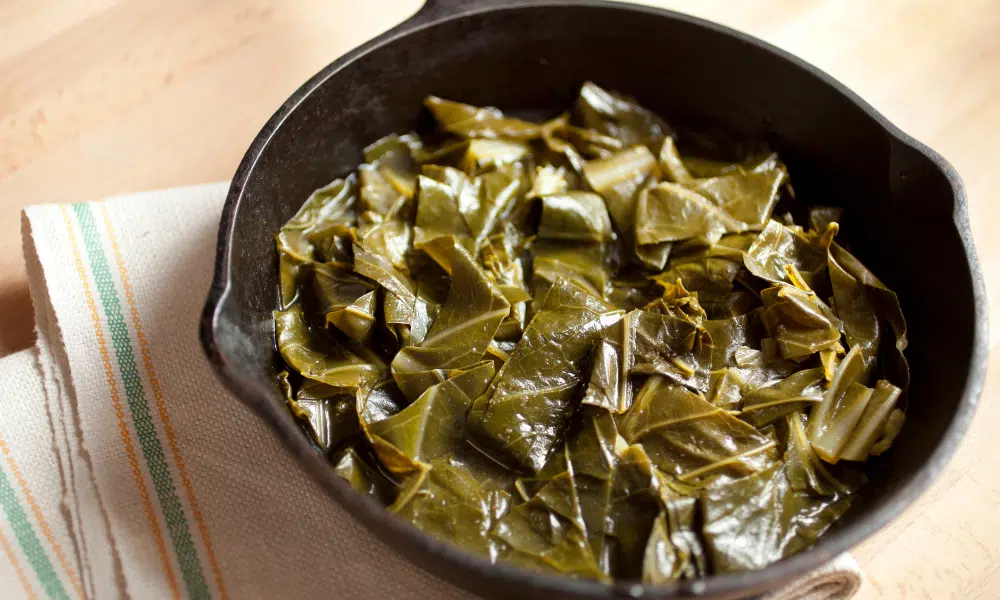
Like many cooked vegetables, especially cabbage-related, collard greens are a much-loved favourite at the dinner table or something you were forced to eat as a kid.
Collard greens are not as popular in the UK (better known as spring greens). But in the south of the US, collard greens are a staple vegetable. They are versatile, sturdy and can still taste delicious even after a week in your fridge! But how do you reheat them?
To reheat collard greens, you must opt for a slow and steady approach. This is why you should reheat them on the stovetop or in a slow cooker and avoid using a microwave.
How to Reheat Collard Greens
It only makes sense that for a versatile vegetable to cook with, you could use an array of methods to reheat leftover collard greens.
Typically, you should reheat your collard greens the same way you cooked them. But most collard green reheating methods can be used for a variety of collard green dishes:
How to Reheat Collard Greens on the Stovetop
The best way to reheat any collard greens is in a pot on the stove. However, southern-style collard greens recipes fair the best when using this method.
Southern-style collard greens are usually cooked in a pot for an hour or so, so they can tenderise and soak up a delicious chicken broth.
You don’t need to go as far as to create a whole new broth to reheat collard greens on the stove. You just need to follow these few simple steps:
- Reach Room Temperature
Whether you have frozen your cooked collard greens or left them in the fridge overnight, you need to set the greens on your counter for a few hours to reach room temperature before reheating. - Heat A Pan
Take a large pan and set its heat to medium low. - Add Greens
Once your collard greens are at room temperature, place them directly into the pot. - Add Chicken Stock
Use about 1/2 cup of any leftover chicken stock you may have. Feel free to use more if you are reheating a big batch of collard greens, but don’t drown the greens. - Season
Take time now to season the collard greens to really make their flavour pop. - Reheat
Cover the pan and let the greens reheat for 40 minutes. - Check and Stir
Do not just leave your collard greens to reheat without checking on them every 10 minutes. Give them a quick stir to stop the greens from burning. - Serve
When your collard greens are hot enough, serve them immediately.
How to Reheat Collard Greens in the Slow Cooker
One of the best things about collard greens is that, when cooked correctly, you can put the greens onto cook and get on with other tasks for a few hours.
If you have the time and want your frozen collard greens to be reheated to a delicious tenderness again, you can use a slow cooker to reheat them:
- Reach Room Temperature
Leave your collard greens on the counter for a few hours before to reach at least room temperature before reheating them. - Prep The Cooker
When your greens have reached a suitable temperature, set up your slow cooker to a low heat. - Add The Greens
Take your collard greens and add them directly to your slow cooker. - Season
Your collard greens may have started to lose their flavour in the fridge if they have not been properly stored. Take time to re-season the greens for the best-tasting dish. - Add Chicken Stock
Pour around 1/2 cup of chicken stock into the slow cooker to re-tenderize the collard greens and prevent them from drying out as they reheat. - Reheat
Set your slow cooker to 1 1/2 hours, cover the cooker and leave the collard greens to reheat. - Stir
After an hour, use a spatula or wooden spoon to agitate and mix the collard greens. Add a little extra chicken stock if the greens seem too dry. - Serve
Don’t reheat the collard greens for any more than 1 1/2 hours. Instead, serve the greens as soon as the slow cooker finishes.
How to Reheat Collard Greens Successfully
Love or hate them, collard greens are a quick and easy way to get some veg into your diet, even more so when you have some on hand to reheat.
However, the last thing you want is soggy and limp collard greens. Here are a few tips to ensure your collard greens taste delicious even when reheated:
- Don’t Jump Ahead – Before you reheat your collard greens, you must allow the greens to reach room temperature. Trying to reheat cold collard greens will result in a mushy, tasteless mess, so wait an extra hour or so to allow the green to warm up a little naturally.
- Avoid The Microwave – Generally, heating leafy greens in a microwave is bad. It can be toxic sometimes, but the microwave will make the veg limp and gross. The same goes for collard greens, so avoid using the microwave to reheat your collard greens.
- Always Use Chicken Stock – Adding a little chicken stock to your collard greens as you reheat them will help to tenderise the greens once more but will also prevent the greens from drying out if you reheat them for a little too long. You can just use plain water if you wish. However, you must season the collard greens extra to prevent their flavour from diluting.
Is It Safe to Reheat Collard Greens?
It is okay to reheat collard greens that have been frozen or kept in your fridge for up to 7 days. In fact, some say that collard greens taste better in the first few days after being cooked.
Reheating Collard Greens FAQs
Do you still have questions about reheating collard greens? Then check these out:
Bacon is often added to collard greens when they are cooked low and slow. Fortunately, you can reheat collard greens with bacon but you must ensure the bacon is hot.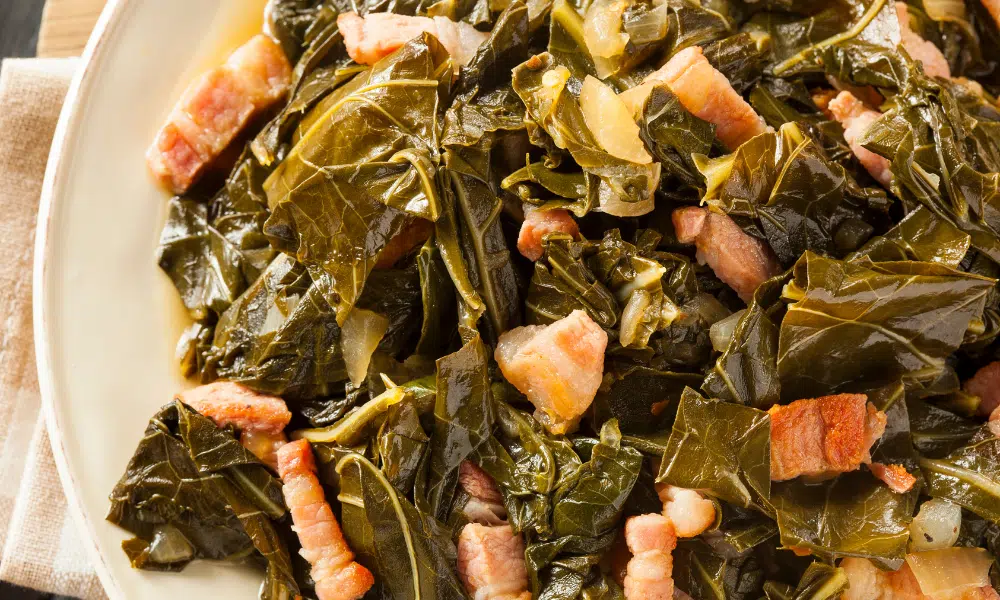
Yes! In fact, if they were cooked slowly then you’ll find leftovers develop a richer flavour, much like a stew does overnight.

Acacia may be a freelance writer by day, but they are a food fanatic by night. They are always trying out new recipes or finding different ways to elevate classical dishes. But their biggest culinary aim is to educate others on the basics of the kitchen so that they too can enjoy delicious food.