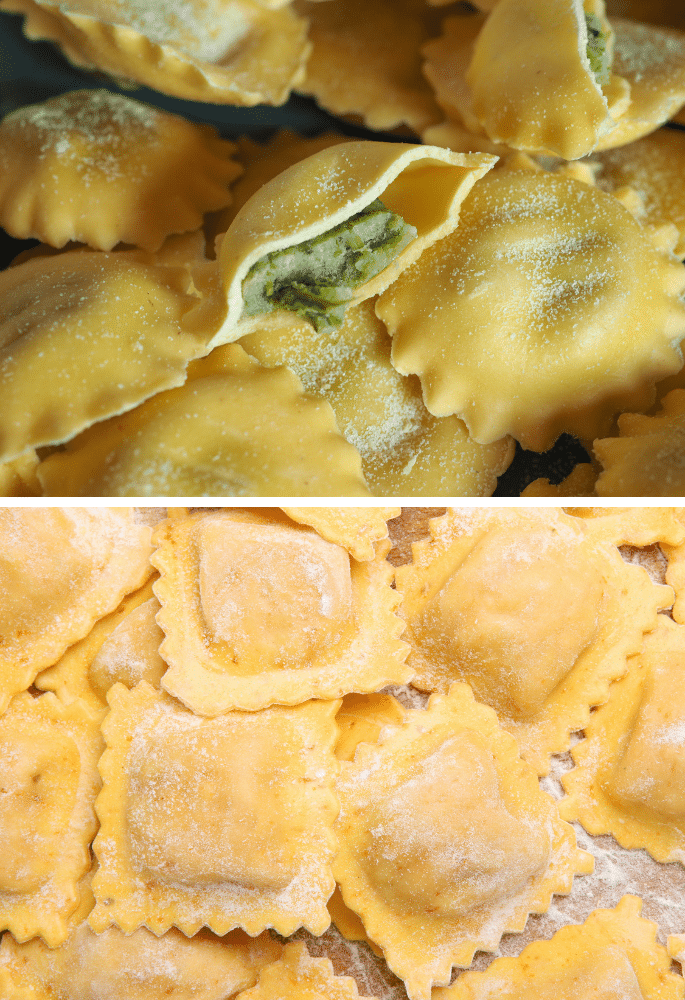

Matzo balls (or matzah balls) are a dumpling used in or served alongside a range of soups. They are a traditional Jewish soup dumpling, mostly seen at tables during Passover. However, they are just as commonly used in chicken soup.
As far as dumplings go, matzo balls are pretty easy to prepare. So much so that you may often find yourself going overboard and having far too many matzo balls left over once Passover is over.
Instead of wasting the balls or damning yourself to only eat dumplings and soup for the next few weeks, you can try freezing them.
To freeze matzo balls, whether dense or light matzo, they should be frozen on a baking tray until solid. Once frozen solid, they can be carefully placed into freezer bags.
How to Freeze Matzo Balls
Two types of matzo ball recipes produce a differently textured dumpling.
Dense matzo balls don’t use a leavening agent, giving the dumpling a more pungent matzo meal taste. Whereas light matzo balls use baking powder, making them airy and soft.
You can freeze both types of matzo balls in similar ways:
How to Freeze Dense Matzo Balls
When frozen, matzo balls take on a harder and denser texture once defrosted. As such, you can freeze dense matzo balls either before or after they are cooked:
- Leave To Cool
If you are freezing cooked dense matzo balls, allow the dumplings at least 30 minutes to cool. Let them reach at least room temperature before moving on to the next step. - Place On A Baking Tray
Line a large baking tray with parchment paper. Cover the whole tray so the dumplings do not become stuck to the metal. - Organize The Dumplings
Take your matzo balls and arrange them on a tray, making them as evenly spaced out as you can. Even if you are freezing cooked, dense matzo dumplings, do not try and stack the dumplings. Keep them in a single layer. - Flash Freeze
Place the baking tray in your freezer and leave the dense matzo balls to flash freeze for 3 hours. - Properly Store
After 3 hours, make sure that the balls are completely frozen, and transfer your dense matzo balls into an airtight container. Alternatively, you can use a freezer bag. Just push all of the air out of the bag before sealing. - Freeze
Label the container or freezer bag and pop the dense matzo balls back into the freezer for long-term storage. They will be good for up to 4 months in your freezer.
Defrosting dense matzo balls is as easy as placing them in boiling water for up to 20 minutes. If you have frozen raw, dense matzo balls, they will need at least 40 minutes to defrost and cook through.
How to Freeze Light Matzo Balls
Unlike dense matzo balls, you should only freeze pre-cooked light matzo balls. The dumplings will lose some of their light, airy texture once they are frozen.
Pre-cooked light matzo balls will better keep their texture as they would have already developed that texture during cooking. Raw light matzo balls will not.
Here is how to best freeze light matzo balls:
- Allow To Cool
Before you freeze your light matzo balls, give them 30 minutes or so to reach room temperature. This will prevent them from developing a soggy texture once frozen. - Line A Baking Tray
Take a large baking tray and cover it with some parchment paper. - Flash Freeze
Place the cooked light matzo balls on the baking tray in a single layer, spacing them out as much as the tray allows. Then place the tray directly into the freezer and freeze for up to 2 hours or until the balls are entirely frozen. - Properly Store In A Freezer Bag
Once the matzo balls have been flash frozen, transfer them into an air-tight freezer bag. - Double Bag The Matzo Balls
Push all of the air out of the bag before you seal it, and then cover with another plastic bag, sealing that bag up too. Doing so will prevent freezer burn and allow the balls to keep their lighter texture. - Freeze
All that is left to do is freeze the matzo balls for up to 3 months.
Cook the light matzo balls in boiling water for 10 minutes to defrost them. Do not let the dumplings defrost naturally, as they will turn soggy.
How to Freeze Matzo Balls Successfully
Unfortunately, matzo balls are delicate foods that do not always produce the best results when frozen. Still, here are a few tips to make your matzo ball freeze as successful as possible:
- Clear Out Your Freezer – Before you freeze the balls, ensure enough room in your freezer to place a large baking tray. This will save you from having to freeze the dumpling in batches and wasting time.
- Re-season The Dumplings – Both dense and light matzo balls will lose their flavour from the moment they are frozen. You can regain some of that flavour by re-seasoning the dumplings or the boiling water as they defrost.
- Eat ASAP – The longer matzo balls are frozen, the more they lose their texture and flavour. Use up the dumplings as quickly as you can if you want great-tasting matzo balls.
Do Matzo Balls Freeze Well?
Dense matzo balls will lose some of their flavour when frozen, but light matzo balls start to become dense and tasteless after a few weeks in the freezer.
You can freeze your matzo balls and still have good results if you eat them within a couple of weeks. Otherwise, they do not freeze well.
Freezing Matzo Balls FAQs
If you still have questions about how to freeze matzo balls then check these out:
We would avoid freezing matzo balls in soup. Instead, try to freeze matzo balls separate from the soup they are to be served in. This will prevent them from going soggy.
Although it would be safe to refreeze matzo balls, you may find that their texture changes drastically. Instead, try only to grab the matzo balls you plan on cooking and eating.

Acacia may be a freelance writer by day, but they are a food fanatic by night. They are always trying out new recipes or finding different ways to elevate classical dishes. But their biggest culinary aim is to educate others on the basics of the kitchen so that they too can enjoy delicious food.