

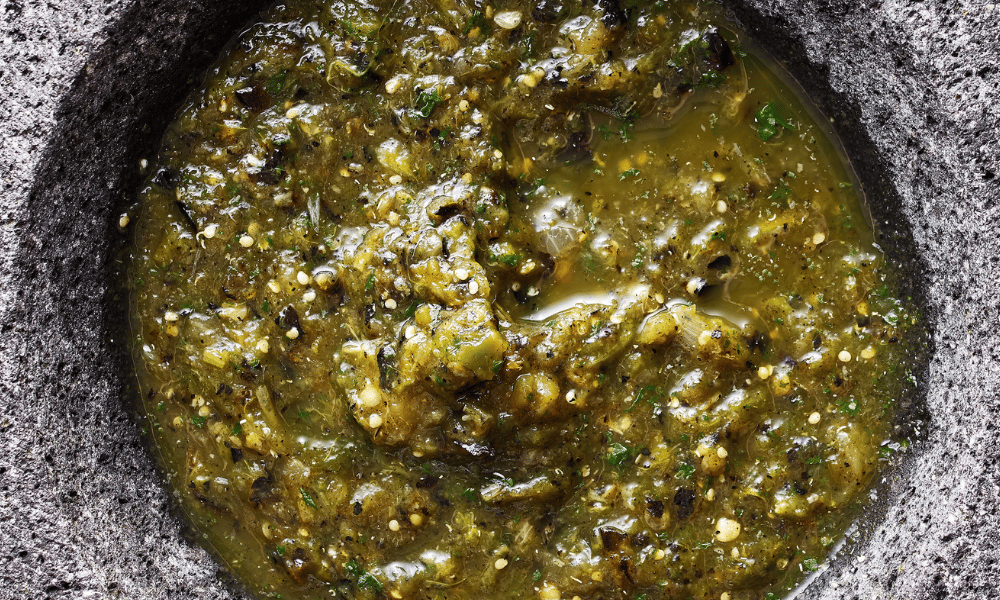
Tomatillo salsa, or tomatillo salsa verde as it is called in some places, is a pretty self-explanatory dish. It is a salsa made specifically using tomatillos, but its flavour is not like a traditional salsa. It is on a whole other level entirely.
The elevated tomatillo salsa flavour does not account for bitterness, so can taste awful if bitter is one of the salsa’s most prominent flavours. But what could be causing your tomatillo salsa to be so bitter?
Tomatillo salsa bitterness is most likely due to under or overripe tomatillos. Like all fresh produce, there is a limited time frame in which tomatillos are at their best. Using tomatillos that are not perfectly ripe will cause a disbalance of acidity in your salsa, making it bitter.
What Is Tomatillo Salsa Supposed To Taste Like?
It is hard to tell when your tomatillo salsa is bitter if you have never had tomatillo salsa before. For all you know, that bitterness may simply be part of the salsa.
However, that is not the case for tomatillo salsa.
While traditional salsa has a spicy kick and underlying sweetness, tomatillo veers more on the side of tangy with a subtle, smoky layer of flavour. Some have described the taste of tomatillo as being similar to green bell peppers if they had a smoky tang.
Tomatillos are nowhere near as sweet as traditional salsa because tomatillos do not have as much natural sweetness as ripe tomatoes. Instead, that sweetness is swapped out for the tangy freshness of lime juice and often a drizzle of honey.
Though tomatillo salsa does possess higher acidity levels by using tomatillos, that acidity should not taste bitter.
How To Fix A Bitter Tomatillo Salsa
There are some cases where your tomatillo salsa is bitter because you haven’t allowed the tomatillos to cook for long enough. Undercooked tomatillos are just as effective at ruining the taste of your salsa as underripe or overripe tomatillos.
Let the tomatillos cook a few minutes longer, and you won’t have to make any drastic changes.
However, the bitter taste of your tomatillo salsa may go beyond a few undercooked plants. If that is the case, you will need to add some extra ingredients to the salsa to balance out that bitter flavour.
Lime Juice
The safest way to stop your tomatillo salsa from tasting bitter is to add more lime juice.
Arguably lime juice is just as crucial as the tomatillos in tomatillo salsa as it is the ingredient primarily responsible for the unique tanginess of the salsa, emphasizing the tanginess in tomatillos.
Adding 1 or 2 more tablespoons of lime juice will not only drive that taste home, but the acidity of the juice can neutralise any bitterness.
Baking Soda
Similar to lime juice, baking soda can be used to neutralize any bitterness in your salsa.
Baking soda is an alkaline base which reacts with acidic ingredients to create air bubbles. When added to a bitter tomatillo salsa, baking soda will react with the high levels of unwanted acidity and chemically stabilize the taste.
Sweetener
Another way to combat bitterness in your tomatillo salsa is to add a sweetener. This could be honey, sugar, or even a little syrup added directly to the tomatillo salsa as you mix it together.
Keep in mind that sweetness should be added in careful moderation to tomatillo salsa. Tomatillos do not have a lot of natural sweetness, meaning that tomatillo salsa is not really a sweet salsa like other salsa types.
Too much sweetness will seem out of place and odd amongst the other salsa ingredients.
Tips For Preventing Bitterness In Your Tomatillo Salsa
It is much harder to fix the bitterness of a tomatillo salsa if you wait until the end of cooking it to try and make any changes. You should try and prevent that bitterness from developing in the first place.
Here are a few tips you can use to do just that:
Bake It Out
Some recipes require you to roast the tomatillo before you add it to your salsa as it makes the tomatillos develop a richer, more prominent taste.
As a result, any tomatillos that have a slight bitterness will be overpowered, essentially masking the bitter taste.
Pick The Right Produce
You should not need to hunt for a ripe tomatillo in the supermarket as they are picked and sold when they are perfectly ripe. But to avoid any bitterness in your tomatillo salsa, try buying tomatillos that are smaller than average.
These are usually the sweeter variety.
It is not just the tomatillos that need to be of good quality if you want your tomatillo salsa to taste good. The garlic, green chillies, and cilantro you use should be perfectly ripe too.
Chop Don’t Blend
You may think that how you prepare tomatillos or onions etc shouldn’t be able to affect the taste of your food, but that is not true. Making a small change, like chopping rather than blending your fresh ingredients, can make a world of difference.
Chopping your tomatillos and peppers rather than blending them will keep their texture intact, allowing more of their desired taste to be more evident in your salsa. You could also try using a pestle and mortar instead so that the texture remains a little more coarse.
Bitter Tomatillo Salsa FAQs
If you still have a question or two about fixing your bitter tomatillo salsa, then have a look over these FAQs:
A sour tomatillo salsa is caused by two things. Either, you have used too much lime juice which has given it a tart flavour or you have not cooked the tomatillos for long enough.

Acacia may be a freelance writer by day, but they are a food fanatic by night. They are always trying out new recipes or finding different ways to elevate classical dishes. But their biggest culinary aim is to educate others on the basics of the kitchen so that they too can enjoy delicious food.
Pro Tip: take off the chili stems before you boil the tomatoes with the chilis to prevent bitterness.
Amazing tip, thanks Lori!