

You followed the recipe, kneaded the dough, simmered it in broth — and ended up with something closer to a rubber ball than dinner.
The short answer is that rubbery seitan almost always comes down to overworked gluten, cooking it too hot or too long, or slicing it the wrong way.
None of those are hard to fix once you know which one you’re dealing with.
Key Takeaways
- Rubbery seitan is usually the result of overworked gluten, not a ruined recipe.
- Kneading longer than about 5 minutes pushes texture from chewy into bouncy.
- A rolling boil toughens seitan fast — a gentle simmer or steam works better.
- Slicing with the grain instead of against it makes texture seem even tougher.
- Reheating gently in broth, not the microwave, keeps already-cooked seitan from turning rubbery.
What To Fix First
Match what you're seeing to the likely cause.
| What you're seeing | Likely fix |
|---|---|
| Bouncy, like a rubber ball | Cut kneading time to 2-3 minutes and let the dough rest before cooking |
| Tough and dense all the way through | Swap a rolling boil for a gentle simmer or steam |
| Chewy in a stringy way | Slice against the grain, not with it |
| Rubbery after reheating | Reheat gently in broth instead of the microwave |
| Rubbery only on the outside | Lower the cooking temperature and extend the time |
Why Is My Seitan Rubbery?
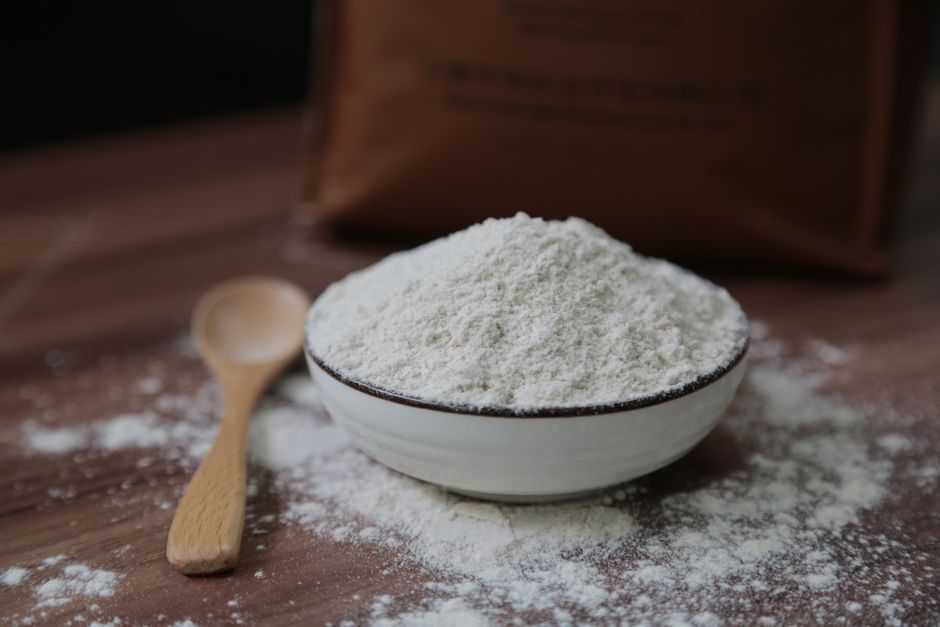
Seitan gets its chew from gluten — the stretchy protein network in wheat flour or vital wheat gluten.
That elasticity is the whole point of seitan. The problem is that it’s easy to push it past ‘pleasantly chewy’ into ‘bounces off the counter.’
The three biggest culprits are overworking the dough, cooking it too hard or too long, and cutting it the wrong direction after it’s done.
Get any one of those wrong and you end up with a texture that fights back instead of pulling apart cleanly.
How Gluten Development Causes a Rubbery Texture
Vital wheat gluten is almost pure gluten protein, so it behaves like bread dough on overdrive.
Mixing it with water and kneading it lines up gluten strands into a stretchy web. A little kneading gives you a tender, sliceable seitan.
A lot of kneading gives you something closer to a bouncy ball.

Most seitan recipes only need about 2 to 5 minutes of kneading or mixing — nowhere near the 8 to 10 minutes you’d give bread dough.
Resting the dough for 10 to 15 minutes before cooking also lets those gluten strands relax slightly, which softens the final bite.

Common Mistakes That Make Seitan Too Chewy
If your seitan keeps coming out rubbery, it’s usually one of these habits. Most people are only doing one or two of these wrong — fix those and the texture usually comes back in line on the next batch.
1. Over-kneading the dough
Kneading past 5 minutes keeps developing gluten strands that were already strong enough.
Fix: knead just until the dough comes together and looks smooth, then stop. It should feel a little springy and hold its shape, not fight you when you try to stretch it.
If you’re using a stand mixer with a dough hook, watch it closely — a machine develops gluten much faster than kneading by hand, so 2 minutes on a mixer can equal 5 minutes of hand-kneading. Set a timer instead of eyeballing it, since it’s easy to lose track once you’re multitasking with the rest of dinner.
2. Using only vital wheat gluten with no binder
Straight vital wheat gluten with nothing else — no chickpea flour, tofu, or breadcrumbs — makes a very dense, springy crumb.
Fix: blend in a softer flour or a bit of mashed tofu or beans to break up the gluten network. A rough starting ratio is about 1/4 cup of a binder (chickpea flour, mashed tofu, or cooked beans) for every cup of vital wheat gluten, then adjust from there based on how firm the final texture feels.
Nutritional yeast, tamari, and oats don’t dilute gluten the same way binders do — they add flavor and a little texture, but they won’t soften a rubbery result on their own.
3. Cooking at a rolling boil
A hard boil firms up gluten quickly and unevenly, the same way it toughens an overcooked chicken breast.
Fix: simmer gently — small, lazy bubbles, not a boil — or steam instead. If you’re working from a thermometer, aim for broth around 180-190°F rather than a full 212°F boil; the seitan cooks through just as completely, just more evenly.
Covering the pot and dropping the heat as soon as you see the first big bubbles is usually enough to keep it from creeping back up to a boil while your attention is elsewhere.
4. Skipping the rest before slicing
Cutting seitan the second it comes off the heat traps tension in the gluten strands, so every bite feels tighter.
Fix: let it cool for at least 10 minutes before slicing. This is the same logic as resting a steak — the fibers relax as the temperature drops, and the texture firms up into something you can slice cleanly instead of tearing apart.
If you’re not eating it right away, letting it cool fully in its broth actually improves texture further, since it keeps absorbing moisture as it sits.
5. Slicing with the grain instead of against it
Seitan has a visible grain, similar to a piece of meat. Cutting parallel to those lines leaves long, stretchy fibers intact.
Fix: turn the block and slice across the grain for a shorter, more tender bite. Look for the faint lines running through the seitan — they usually follow the direction you stretched or rolled the dough before cooking — and cut perpendicular to them.
If you shape the dough into a log before cooking, you can actually control which way the grain runs, which makes it easier to plan your slicing direction ahead of time instead of guessing after the fact.
6. Reheating leftovers in the microwave
Microwaving dries seitan out fast, and dry gluten reheats rubbery almost every time.
Fix: warm it gently in broth or sauce on the stovetop instead. A covered skillet over low heat with a few tablespoons of broth or sauce, stirred occasionally for 5 to 7 minutes, brings leftovers back to something close to their original texture.
Steaming leftover slices for a couple of minutes works too if you don’t want to add extra liquid, though broth generally gives the better result since the seitan reabsorbs some of what it lost during storage.
Best Way to Cook Seitan for a Tender Texture
Cooking method matters almost as much as the dough itself.
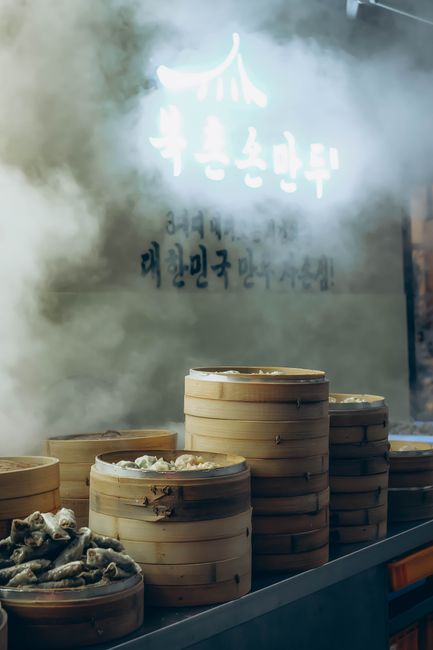
Steaming is generally the gentlest option, which is why it tends to produce the most tender result. A hard boil is the fastest way to end up rubbery.
Baking wrapped in foil sits in the middle — it produces a firmer, denser texture than steaming or simmering, but it’s still more forgiving than a rolling boil, and it’s a useful option if you want a sliceable loaf shape for sandwiches.
| Method | Texture result | Typical time |
|---|---|---|
| Steaming | Most tender, evenly cooked | 45-60 minutes |
| Gentle simmer | Tender, absorbs broth flavor well | 45-60 minutes |
| Baking wrapped in foil | Firm but not rubbery | 45-50 minutes |
| Rolling boil | Toughest, most likely to turn rubbery | 30-45 minutes |
| Pan-searing (after pre-cooking) | Crisp outside, texture set by earlier method | 3-5 minutes per side |
How to Fix Rubbery Seitan After It's Cooked
Already got a rubbery batch out of the pot? You can still save it.
- Slice it thin, and always against the grain — thinner slices feel less tough per bite.
- Simmer slices gently in broth or sauce for 10 to 15 minutes to soften them slightly and add moisture back.
- Use it in a dish with sauce, like a stir-fry or curry, where the texture is less noticeable than eating it plain.
- Shred or chop tough seitan into smaller pieces for chili, tacos, or a grain bowl instead of serving it as a whole cutlet.
None of this undoes overworked gluten completely, but it makes the difference between edible and off-putting.
How to Store and Reheat Leftover Seitan
Cooked seitan keeps in the fridge for about 4 to 5 days in its cooking broth, which helps it stay moist.
For longer storage, freeze it in that same broth in an airtight container for up to 2 to 3 months.

If you’re meal-prepping several proteins at once, the same cold-storage logic applies whether it’s plant-based or not — our guide on how to freeze shredded chicken covers the freezer basics that keep texture from suffering.
When you reheat, warm seitan slowly over low heat in a splash of broth rather than blasting it in the microwave.
The same gentle, low-and-slow approach in our guide to how to reheat chicken so it stays juicy applies here too — fast, high heat is what turns already-cooked protein rubbery.
Who Should Avoid Eating Seitan
Seitan is essentially concentrated wheat gluten, which is one important thing to know before you make it a regular meat substitute.
People with celiac disease need to avoid gluten entirely, and seitan is one of the most concentrated gluten foods there is, according to MedlinePlus.
Anyone with a wheat allergy or non-celiac gluten sensitivity should skip it too, and talk with a healthcare professional about safe substitutes rather than testing it themselves.
Mayo Clinic’s guidance on gluten-free eating is a useful place to check which grains and flours are actually safe alternatives.
For everyone else, seitan is a high-protein, low-fat option, though it’s worth checking a source like the Cleveland Clinic’s overview of seitan’s nutrition if you’re weighing it against other meat substitutes.
The Bottom Line
Rubbery seitan almost always traces back to overworked gluten, too-hard cooking heat, or slicing with the grain instead of against it.
Knead for 2 to 5 minutes, rest the dough, simmer or steam instead of boiling, and cut across the grain — that combination fixes most rubbery batches for good.
If a batch still comes out tough, simmer slices in broth or use them in a saucy dish rather than serving the seitan plain.
Frequently Asked Questions
Can you fix rubbery seitan after it's cooked?
You can improve it, though you can’t fully undo overworked gluten. Slice thin against the grain and simmer briefly in broth or sauce to soften it and add back moisture.
Why is my seitan tough after boiling?
A rolling boil cooks the outside of the seitan faster than the inside, tightening the gluten network quickly. A gentle simmer or steaming usually gives a more even, tender result.
How long should you knead seitan dough?
Most recipes only need 2 to 5 minutes of kneading or mixing. Kneading much longer than that, the way you would for bread dough, overdevelops the gluten and makes it rubbery.
Is rubbery seitan safe to eat?
Yes, texture and safety are separate issues. Rubbery seitan is just overcooked or overworked gluten; it’s not a food-safety problem as long as it was cooked through and stored properly.
Does slicing direction really affect seitan texture?
It makes a noticeable difference. Seitan has a visible grain from the gluten strands, and slicing with that grain leaves long fibers intact, making each bite feel chewier than it needs to.
Can you overcook seitan by simmering it too long?
Simmering at a low, steady heat is fairly forgiving, but leaving it in the pot for hours will eventually toughen it too. Stick to the 45 to 60 minute range in most recipes and check a slice if you’re unsure.
What's the right ratio of vital wheat gluten to binder?
A common starting point is about 1/4 cup of a binder, such as chickpea flour or mashed tofu, for every cup of vital wheat gluten. Add more binder if the dough still feels too dense or springy after cooking a test piece.