

You whipped the cream to soft peaks, folded it in carefully, and the mousse still came out gritty instead of silky.
That texture problem almost never comes from the folding step itself — it starts earlier, in whatever base you folded the cream into.
The short answer: something in your base — chocolate, eggs, sugar, or gelatin — didn’t fully melt, dissolve, or stay emulsified before the cream went in.
Key Takeaways
- Grainy chocolate mousse almost always means the chocolate seized or scorched, not a folding mistake
- A sandy texture with no visible lumps usually means sugar or gelatin never fully dissolved
- Small curdled specks in egg-based mousse mean the base got too hot, too fast
- Once mousse is truly grainy you can rarely restore full smoothness, but straining a warm base can help
- Prevent it by melting chocolate gently, watching egg temperature, and fully dissolving sugar or gelatin before folding
What The Grit Is Telling You
Match what you're tasting to the likely cause before you troubleshoot.
| What You're Seeing | Most Likely Cause | Try This First |
|---|---|---|
| Tiny dark, bitter specks | Chocolate seized or scorched | Whisk in a teaspoon of hot cream or oil per ounce of chocolate |
| Small pale curds, like scrambled egg | Egg base curdled from too much heat | Strain the warm custard through a fine-mesh sieve |
| Sandy, gritty texture, no visible lumps | Sugar or gelatin never fully dissolved | Usually not fixable — start the base over, dissolving fully |
| Greasy, slightly clumpy texture | Cream was overwhipped before folding | Fold in a splash of unwhipped cream, or rewhip a fresh batch |
Why Is My Mousse Grainy?
Grainy mousse comes down to four common culprits, and figuring out which one hit you starts with what the grit actually looks and feels like.
Tiny dark specks that taste bitter usually mean the chocolate seized or scorched.
Small pale curds that feel almost like scrambled egg mean the base curdled from too much heat.
A sandy or gritty mouthfeel with no visible lumps usually means sugar — or gelatin — never fully dissolved.
A greasy, slightly clumpy texture points to overwhipped cream that started to separate before you folded it in.
Each of these has a different fix, so it’s worth identifying which one you’re actually dealing with before you troubleshoot further.
Grainy Chocolate Mousse: Seized or Overheated Chocolate
Chocolate seizes when even a small amount of liquid — steam from a double boiler, a wet spoon, or cold egg yolks added too quickly — hits melted chocolate.
The cocoa solids and sugar clump together into a stiff, grainy paste almost instantly.
Overheating causes a similar problem: chocolate melted above roughly 115°F over direct heat can scorch, and the cocoa butter separates out into a grainy, oily mess.
Once chocolate has seized inside a finished mousse, there’s no amount of folding or whipping that brings back a smooth texture.
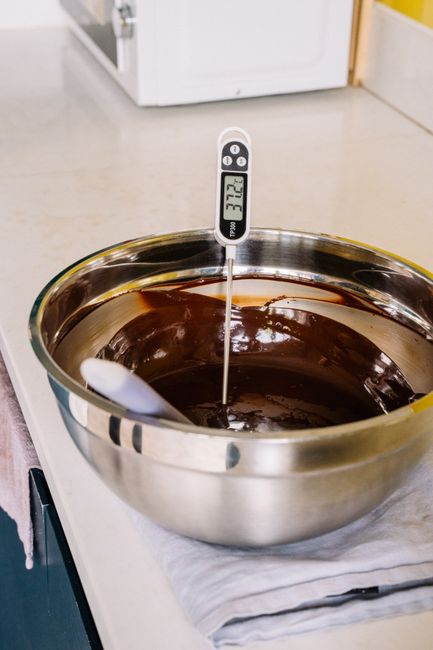
Melt chocolate slowly in a double boiler or short microwave bursts, and keep every bowl and utensil completely dry before it touches the chocolate.
Grainy Mousse From Curdled Eggs
Many classic mousse recipes start with an egg-yolk base — either a warm sugar syrup whisked into yolks or a custard-style cream cooked on the stove.
Egg proteins begin to set around 160°F and fully scramble past about 180°F, so pouring hot syrup in too fast or leaving custard on the heat too long curdles the yolks into tiny grainy curds.
The USDA’s guidance on shell eggs notes that egg mixtures should reach at least 160°F for food safety, but going much past that without constant whisking is exactly what causes the curdling texture.

Some mousse recipes use raw or only barely warmed egg whites or yolks instead of a fully cooked base.
That’s a texture choice, but it also carries a real food-safety consideration: raw or undercooked eggs can carry salmonella, and the FDA’s guidance on egg safety advises against serving them to children, older adults, pregnant women, and anyone with a weakened immune system.
According to Mayo Clinic’s overview of salmonella infection, symptoms can include diarrhea, fever, and stomach cramps that start within a day or two of exposure.
If you’re serving mousse to anyone in an at-risk group, use pasteurized eggs or a fully cooked base rather than skipping that step to avoid graininess.
Grainy Mousse From Undissolved Sugar
Add granulated sugar straight into whipped cream or egg whites without whisking long enough, and it never fully dissolves.
The result looks fine but tastes sandy, with tiny hard specks between your teeth.
Superfine sugar dissolves much faster than regular granulated sugar because the crystals are smaller and melt into liquid faster.
For sugar-syrup or meringue-based mousse, the same undissolved-crystal problem shows up if the syrup wasn’t fully clear before it hit a boil — it’s the same failure that turns buttercream grainy, just showing up inside a lighter, airier dessert.
If you’re whisking sugar directly into whipped cream, do it early while the cream is still loose, and give it an extra minute of whisking before it reaches soft peaks.
Grainy Mousse From Gelatin Lumps
Gelatin needs to bloom in cold water for 5 to 10 minutes before it’s melted and added to a mousse base.
Skip that step, or add powdered gelatin straight into a cold mixture, and it seizes into small rubbery, translucent lumps that feel gritty on the tongue.
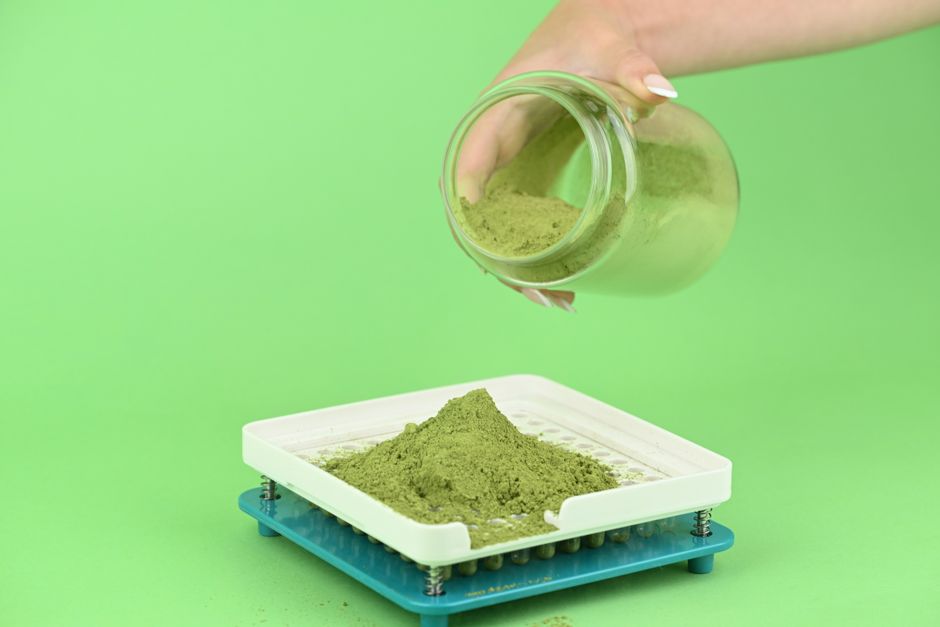
Adding melted gelatin to a base that’s too cold causes the same instant-set clumping, since gelatin starts to firm up once it drops below about 95°F.
Bloom it, melt it gently, and temper it into a small amount of the base first before combining the rest.
Grainy Mousse From Overwhipped Cream
Whip cream past soft-to-medium peaks and it starts to separate — the fat clumps together while a thin liquid pools underneath, the first stage of turning into butter.
Fold that into a mousse base and you get a grainy, slightly greasy texture instead of a light one.
Stop whipping as soon as the cream holds a soft peak that droops slightly at the tip.
If you’re not sure, switch to whipping by hand for the last 30 seconds so you can feel the texture change before it goes too far.
How to Fix Grainy Mousse After It Happens
Grainy mousse is hard to fully rescue once it’s chilled and set, but a few fixes help depending on the cause.
If Your Chocolate Seized
Try whisking in a teaspoon of hot cream or neutral oil per ounce of chocolate — sometimes that brings seized chocolate back to a pourable state.
If it’s already folded into whipped cream, straining the base through a fine-mesh sieve before chilling removes the worst of the grit, though the texture won’t be perfectly smooth.
If Your Egg Base Curdled
Pour the warm custard base through a fine-mesh sieve immediately, pressing out the curdled bits with the back of a spoon.
A quick 10-second blitz in a blender can also smooth small curds before you fold in the cream.
If Sugar or Gelatin Never Dissolved
This one usually isn’t fixable after the fact — undissolved crystals or gelatin lumps stay put once the mousse is chilled.
Your best move is to start the base over, making sure it’s fully dissolved before folding in cream.
If Your Cream Overwhipped
Slightly overwhipped cream can sometimes be loosened by folding in a splash of unwhipped cream.
If it’s already turned buttery and grainy, it’s faster to rewhip a fresh batch than to try to save it.
The Bottom Line
Grainy mousse almost always traces back to one of four things going wrong in the base before the cream ever got folded in: seized or scorched chocolate, curdled egg yolks, undissolved sugar or gelatin, or cream whipped past its peak. Match the texture you’re tasting to the cause, straining or rewhipping where you can, but for undissolved sugar or gelatin, starting the base over is more reliable than trying to fix it after the fact. Next time, melt chocolate low and slow, watch your egg temperature, fully dissolve sugar and gelatin before folding, and stop whipping cream at a soft peak — that’s genuinely what keeps mousse silky instead of gritty.
Frequently Asked Questions
Why is my chocolate mousse grainy even though I melted the chocolate carefully?
It’s usually not the melting itself but a stray drop of liquid or overheating that made it happen. Even steam from a double boiler or a slightly wet spoon can cause chocolate to seize into a stiff, grainy paste, and once that’s folded into a finished mousse, there’s no way to whip or fold it back to smooth.
Can I fix grainy mousse after it's already chilled?
It depends on the cause. If chocolate seized or eggs curdled, straining the warm base through a fine-mesh sieve before chilling helps remove the worst of the grit. If the problem is undissolved sugar or gelatin lumps, though, that texture is locked in once the mousse sets, and your best option is to start the base over.
Does overwhipped cream make mousse grainy?
Yes. Whip cream past soft-to-medium peaks and the fat starts to clump while liquid separates out, the first stage of turning into butter. Fold that into a mousse base and you get a greasy, slightly grainy texture instead of something light and smooth.
How do I know if my mousse is grainy from sugar or from gelatin?
Undissolved sugar feels sandy, with tiny hard specks between your teeth but no visible lumps. Gelatin that seized instead of dissolving forms small rubbery, translucent lumps you can usually see or feel distinctly, especially if it was added to a base that was too cold.
Is it safe to use raw eggs in mousse to avoid curdling?
Skipping the cooking step does avoid the curdling issue, but raw or undercooked eggs can carry salmonella. The FDA advises against serving them to children, older adults, pregnant women, and anyone with a weakened immune system, so use pasteurized eggs or a fully cooked base instead.