

You bought a bunch of kale, massaged it, dressed it, and it still tastes like you’re chewing on a pencil.
The short answer is that bitterness in kale is mostly natural plant chemistry, not a mistake you made — but variety, age, and how you cook it all make it worse or better.
Key Takeaways
- Kale's bitterness mostly comes from glucosinolates, natural sulfur compounds that get sharper in raw, mature, or heat-stressed leaves.
- Curly kale is generally more bitter than Lacinato (dinosaur) kale, with Red Russian kale falling in between.
- Massaging raw kale with oil, salt, and acid, or cooking it low and slow, mellows the bitterness significantly.
- Old, wilted, or overcooked kale turns more bitter — freshness and cook time matter as much as variety.
- Bitter kale is generally safe to eat, but people with thyroid conditions should talk to a healthcare professional about cruciferous vegetable intake.
What To Do First
Match your situation to the fastest fix.
| Situation | Best move |
|---|---|
| Raw kale salad tastes harsh | Massage with oil, salt, and lemon juice for 2–3 minutes |
| Sautéed kale still bitter | Finish with acid (vinegar or citrus) and a small pinch of sugar |
| Store-bought kale is always bitter | Switch to Lacinato (Tuscan) kale instead of curly |
| Garden kale extra bitter in summer | Harvest young leaves, or wait for a light frost |
| Kale in soup tastes bitter | Simmer longer and balance with fat, acid, and salt |
Why Is My Kale Bitter?
Kale’s bitterness comes mostly from glucosinolates — natural sulfur-containing compounds that cruciferous vegetables produce as a built-in pest deterrent.
Kale, along with broccoli, cabbage, and mustard greens, is naturally loaded with them. Oregon State University’s Linus Pauling Institute has a detailed breakdown of how glucosinolates work and why they taste sharp.
Raw kale tastes more bitter than cooked kale because heat breaks down some of these compounds.
If you’ve been eating it raw and wondering whether that’s even a good idea, our guide on can you eat kale raw covers digestibility and prep tips.
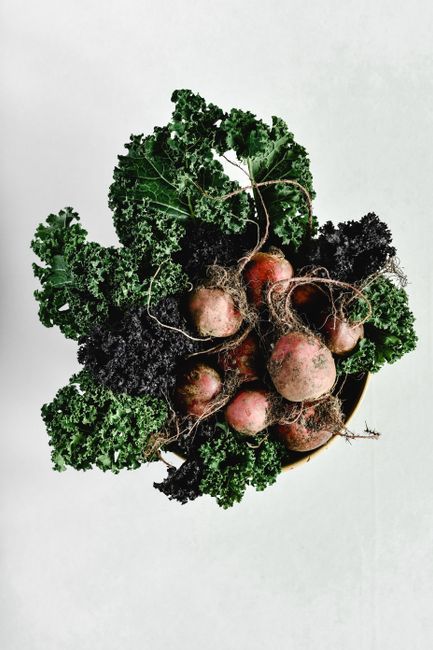
A few things reliably make kale taste more bitter:
- Older, larger leaves (more mature = more bitter)
- Heat or drought stress while growing
- Thick center ribs and stems, which concentrate the sharpest flavor
- Late-season harvest, before any frost
None of this means your kale is spoiled — it just means the plant made more of its natural defense compounds.
Kale Varieties: Curly vs Lacinato vs Red Russian
Not all kale tastes the same, and variety is one of the biggest reasons your bunch might be more bitter than a friend’s.
Curly kale, the most common grocery-store type, has the sharpest, most peppery bite of the three.
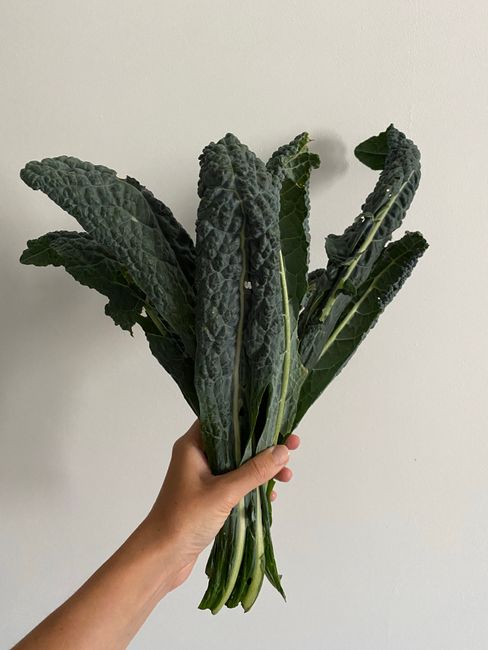
Lacinato kale — also sold as dinosaur kale or Tuscan kale — has flatter, darker leaves and a noticeably milder, almost nutty flavor.
Red Russian kale lands in the middle: tender like Lacinato, but with a peppery edge closer to curly.
| Variety | Bitterness level | Best use |
|---|---|---|
| Curly kale | Most bitter | Cooked dishes, soups, sautés |
| Lacinato (Tuscan/dinosaur) | Mildest | Raw salads, slaws |
| Red Russian | Moderate, peppery | Either raw or lightly cooked |
How to Fix Bitter Raw Kale
If you’re eating kale raw in a salad, the fix is almost always mechanical, not just about the leaf itself.
- Strip the leaves off the tough center ribs and discard the ribs — they carry most of the bitterness.
- Slice the leaves thin (a chiffonade cut works well).
- Massage the kale with a drizzle of olive oil and a pinch of salt for 2–3 minutes, until the leaves darken slightly and feel softer.
- Add an acid — lemon juice or vinegar — which cuts bitterness on the tongue.
- Let the salad sit 10–15 minutes before serving so the texture and flavor settle.
This is exactly the technique behind a good kale and apple slaw recipe, where the acid and sweetness from apple balance out kale’s edge.

How to Cook Kale So It Isn't Bitter
Cooking is the most reliable way to tame bitter kale, but the method matters.

Sautéing
Cook kale over medium heat, not high — scorched edges taste more bitter, not less.
Finish with a splash of vinegar or lemon juice, plus garlic and a pinch of red pepper flakes if you want to mask any remaining sharpness.
This is the base technique used in a good sausage kale pasta recipe, where the fat from sausage also helps round out the bitterness.
Blanching
Drop kale into boiling water for 30–60 seconds, then shock it in ice water.
Blanching pulls out a lot of the sharp edge before you freeze kale or toss it into a raw salad.
Soups and Stews
A long, gentle simmer mellows bitterness naturally, which is why kale works so well in slow-cooked dishes.
Both a Tuscan kale soup recipe and a kale and pea soup recipe lean on this — the broth, fat, and simmer time all soften the flavor.
Why Is Store-Bought Kale More Bitter Than Homegrown?
Age is the biggest factor. Kale gets more bitter the longer it sits after harvest, as sugars break down and cell walls degrade.
Growing conditions matter too — hot, dry stretches spike glucosinolate production, while a light frost actually sweetens kale by triggering the plant to convert starches into sugars.
The NC State Extension Plant Toolbox entry on Brassica oleracea notes that kale flavor is directly tied to growing temperature and maturity at harvest.
If your bunch has been sitting in the crisper for over a week, that alone could explain the bitter edge.
For a quick, low-effort way to soften bitterness without a stovetop, see how to microwave kale.
Common Mistakes That Make Kale Taste More Bitter
Bitter kale is often a stack of small mistakes rather than one big one. Check these against what you’re actually doing.
- Leaving in the ribs: the thick center stem is the most bitter part of the leaf — strip it out before cooking or eating raw.
- Cooking on high heat: scorched or browned kale tastes acrid and more bitter, not toasted — keep the heat at medium.
- Skipping acid and fat: a squeeze of lemon or a drizzle of olive oil is doing real chemical work, not just flavor — leave it out and bitterness lingers.
- Using an old, yellowing bunch: yellow spots or a limp texture mean the leaves have already gone past their best flavor window — toss those parts.
- Using the wrong variety for the job: curly kale works better cooked; save Lacinato or baby kale for raw salads.
Is Bitter Kale Safe to Eat?
Yes — bitterness on its own is a flavor issue, not a safety issue, as long as the kale is otherwise fresh (no slimy texture or sour off-smell).
That said, one important warning worth understanding: glucosinolates break down into compounds called goitrogens, which can interfere with thyroid function in some people.
According to Mayo Clinic’s guidance on cruciferous vegetables and thyroid health, this is mainly a concern for people with existing thyroid conditions, and cooking can reduce — but does not eliminate — these compounds.
If you have a thyroid condition, talk to a healthcare professional about how much kale and other cruciferous vegetables fit into your diet, rather than assuming past servings without symptoms mean it’s fine.
How to Store Kale to Prevent Bitterness
Wrap unwashed kale loosely in a damp paper towel and store it in a perforated bag in the crisper drawer.
Trim the stems before storing — it slows wilting and keeps leaves from turning bitter as quickly.
Use kale within 5–7 days for the best flavor; after that, bitterness and toughness both increase noticeably.
The Bottom Line
Kale’s bitterness is mostly down to natural plant compounds that get sharper with age, heat stress, and raw preparation. Switch to Lacinato kale for salads, strip out the ribs, massage in oil and acid, and cook curly kale low and slow rather than scorching it.
Bitter kale is generally safe to eat, but anyone with a thyroid condition should get personalized advice on cruciferous vegetables.
Frequently Asked Questions
Does cooking kale remove bitterness?
Cooking significantly reduces bitterness by breaking down glucosinolates, but it doesn’t eliminate them entirely — very old or overcooked kale can still taste sharp.
Is Lacinato kale less bitter than curly kale?
Yes. Lacinato (also called Tuscan or dinosaur kale) is consistently milder and more tender than curly kale, which has the sharpest flavor of the common varieties.
Can I fix kale that's already bitter after cooking?
Add an acid like lemon juice or vinegar, a small pinch of sugar, and a bit more fat or salt — all three help balance bitterness even after cooking.
Does older kale taste more bitter?
Yes. As kale ages after harvest, it loses moisture and sweetness while bitterness compounds become more concentrated, so fresher bunches taste milder.
Is bitter kale bad for you?
No, bitterness itself isn’t a health risk. The main consideration is for people with thyroid conditions, who should ask a healthcare professional about cruciferous vegetable intake.