

You did the boil, you filled the jars, you waited — and what you’ve got is basically flavored syrup. Runny jam is one of the most common home-canning frustrations, and it’s almost never a mystery once you know what to check.
The short answer: your jam is missing the right balance of sugar, pectin, and acid, or it simply hasn’t had enough time to finish setting.
Both problems are fixable — sometimes without even opening the jar.
Key Takeaways
- Runny jam is almost always a sugar-pectin-acid imbalance, not just undercooking.
- Give fresh jam 24 to 48 hours at room temperature before you decide it failed.
- Already-jarred runny jam can usually be rescued by reboiling with added pectin or lemon juice.
- Low-pectin fruits like strawberries, peaches, cherries, and rhubarb need help from added pectin or a high-pectin fruit.
- The cold-plate wrinkle test is more reliable than watching the clock or trusting the recipe's stated time.
What To Do First
Match your situation to the fastest fix.
| Situation | Best move |
|---|---|
| Jam is less than 48 hours old | Leave it alone — it may still set as it fully cools |
| Never set, even after 2+ days | Reboil the batch with added pectin or fresh lemon juice |
| Made with strawberries, peaches, cherries, or rhubarb | Add store-bought pectin or mix in a high-pectin fruit next time |
| Recipe was doubled or tripled | Redo it in smaller batches — large volumes often fail to set |
| Used bottled lemon juice that's been open a while | Reboil with fresh lemon juice for reliable acidity |
Why Is My Jam Runny?
Jam sets because sugar, pectin, and acid link together into a web that traps the fruit’s liquid. If any one of those three is off, the web never fully forms and you end up with syrup.
The most common culprit is not enough pectin relative to the fruit’s water content — either because the fruit is naturally low in pectin, or it’s very ripe (ripe fruit has less pectin than slightly underripe fruit).
Not enough acid is the second big cause. Acid activates pectin, so recipes that skip the lemon juice, or use fruit that’s just naturally low-acid, often end up loose no matter how long you cook them.
Doubling a recipe is another frequent mistake. Larger batches take longer to reach setting temperature, and by the time the center catches up, the outer fruit has often overcooked — the National Center for Home Food Preservation’s guidance on jam and jelly making specifically recommends cooking one batch at a time for this reason.

Finally, plain undercooking happens. If you pulled the pot off the heat before the mixture hit the gel stage, it simply hasn’t reduced and thickened enough yet.

How to Fix Runny Jam After It's Already Jarred
Before you touch anything, give freshly jarred jam 24 to 48 hours at room temperature. Pectin continues to set as the jam fully cools, and plenty of jam that looks like syrup on day one firms up by day two.
If it’s still liquid after that window, you can rescue it by reboiling. This works whether the jars are freshly filled or have been sitting in the pantry for weeks.
- Pour the jam (from as many jars as needed) back into a wide, heavy pot.
- For each quart of jam, whisk in about 2 tablespoons of powdered pectin dissolved in 1/4 cup water, plus 2 tablespoons of lemon juice.
- Bring to a full rolling boil, stirring constantly, for 1 to 2 minutes.
- Test using the wrinkle method below before removing from heat.
- Ladle back into clean, hot jars and reprocess in a boiling-water canner for the time your original recipe specified.

Skip the temptation to just boil it longer without adding pectin or acid — extra cooking time alone often just darkens and toughens the fruit without fixing the actual set. Michigan State University Extension’s troubleshooting guide on why jam or jelly doesn’t set makes the same point: the fix is rebalancing the ratio, not just more heat.
How to Tell If Jam Has Set (Wrinkle Test and Other Checks)
The fastest, most reliable check is the cold-plate wrinkle test.
Put a small plate in the freezer before you start cooking. Drop a small spoonful of hot jam onto the cold plate, wait 60 seconds, then push it with your fingertip.

If the surface wrinkles and holds a line where you pushed it, the jam is set. If it just slides back together like a liquid, it needs more cooking, or more pectin.
A candy thermometer is a good backup: jam generally sets at 220°F at sea level, about 8 degrees above the boiling point of water. Subtract 2°F for every 1,000 feet of elevation.
The spoon or ‘sheet’ test is another old-school option — dip a cold metal spoon into the jam, lift it sideways, and watch how it falls. Individual drops mean it’s not ready; two drops that merge into a single sheet mean it’s set.
Why Low-Pectin Fruits Make Runny Jam
Some fruits simply don’t have enough natural pectin to set on their own, no matter how carefully you follow a recipe.
Strawberries, peaches, cherries, raspberries, and rhubarb all fall into this low-pectin category. Apples, citrus (especially the peel and pith), cranberries, and underripe blackberries are naturally high in pectin.
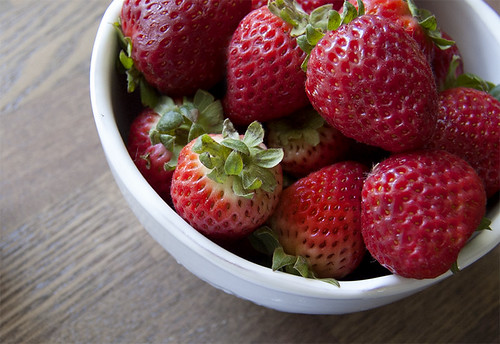
Penn State Extension’s guide to making jellies, jams, and related products recommends either adding commercial pectin or blending a low-pectin fruit with a high-pectin one — a classic move is stirring a peeled, grated apple or a splash of bottled lemon juice into strawberry jam.
| Fruit | Natural Pectin Level | Usually Needs Added Pectin? |
|---|---|---|
| Apples | High | No |
| Citrus (with peel/pith) | High | No |
| Blackberries (underripe) | Medium-High | Sometimes |
| Raspberries | Low-Medium | Often |
| Strawberries | Low | Usually yes |
| Peaches | Low | Usually yes |
| Cherries | Low | Usually yes |
| Rhubarb | Low | Usually yes |
Do I Need to Add Pectin?
If you’re using a low-pectin fruit, yes — commercial pectin is the most predictable fix.
Powdered (regular) pectin needs a specific amount of sugar to activate properly, so don’t reduce the sugar in a recipe written for it unless you switch to a low-sugar or ‘no-sugar-needed’ pectin made for that purpose.
Liquid pectin is added at the end of cooking rather than the beginning, so recipes using it are structured differently — swapping one type for another mid-recipe is a common reason jam fails to set.
If you’d rather skip store-bought pectin, you can boost natural pectin by including some underripe fruit, a chopped apple, or citrus peel tied in a cheesecloth bag during cooking.
How Long Should Jam Take to Set?
Most jam reaches the gel stage within 10 to 20 minutes of a hard boil, depending on the fruit’s water content and your batch size.
But ‘set’ in the jar happens over a longer window. Jam can look thin straight off the stove, thicken as it cools on the counter over a few hours, and finish firming up in the jar over the following one to two days.
That’s why it’s worth waiting the full 24 to 48 hours before you decide a batch has failed and start troubleshooting.
Altitude also matters: at higher elevations, water boils at a lower temperature, so it takes longer for jam to reach true setting temperature even at a visible rolling boil.
Common Jam-Making Mistakes That Cause Runny Jam
Most runny jam problems trace back to one of these specific mix-ups.
Too much fruit for the recipe. Extra fruit dilutes the sugar-pectin-acid ratio the recipe was balanced for. Stick to measured amounts rather than ‘using up what you have.’
Substituting sugar with honey or a sugar alternative. Sugar isn’t just for sweetness — it’s part of the gelling structure. Substitutions change the set unless the recipe was specifically written for them.
Old or expired pectin. Powdered pectin loses potency over time. If your box has been open for a season or two, that could be your issue.
Skipping or reducing the lemon juice. Acid activates pectin — cutting it ‘to make the jam sweeter’ is a fast route to syrup.
Doubling the batch. As mentioned above, larger volumes cook unevenly and often just don’t set properly at all.
Not measuring, just eyeballing. Jam making is closer to baking than to savory cooking — the ratios matter more than instinct here.
Can You Still Use Runny Jam?
Yes — runny jam isn’t wasted, even if you don’t want to reboil it.
Use it as a pancake or waffle syrup, a swirl-in for plain yogurt or oatmeal, an ice cream topping, or a glaze brushed over roasted pork or chicken. It also works well stirred into a vinaigrette or shaken into a cocktail in place of simple syrup.
If you do decide to reboil and rejar it, follow safe reprocessing steps rather than just topping off the same lids. The USDA’s guidance on home canning and botulism risk is worth a read if you’re reprocessing jars rather than starting with fresh lids and a full boiling-water bath.
The Bottom Line
Runny jam almost always comes down to too little pectin, too little acid, or not enough time to fully set. Wait 48 hours before troubleshooting, then reboil with added pectin and fresh lemon juice if it’s still loose.
Low-pectin fruits like strawberries, peaches, and rhubarb need extra help every time — that’s not a mistake, it’s just chemistry.
Frequently Asked Questions
Will runny jam still set in the fridge?
Sometimes, but refrigeration alone won’t fix a true pectin imbalance. If it hasn’t set after 48 hours at room temperature, chilling won’t finish the job — you’ll likely need to reboil it with added pectin and acid.
Can you fix runny jam without buying more pectin?
Yes, if the issue is acid rather than pectin. Reboiling with extra fresh lemon juice can help, and stirring in a grated apple or citrus peel during cooking adds natural pectin without a store-bought packet.
Why is my jam runny even though I followed the recipe exactly?
Check whether you doubled the batch, used very ripe fruit, or substituted the sugar or pectin type. Even small swaps change the ratio a tested recipe depends on for setting.
Can you use runny jam as a syrup instead of fixing it?
Yes. Runny jam works well as a pancake or waffle topping, an ice cream sauce, or a glaze for meat, so it’s not wasted even if you skip reprocessing it.