
The weekly food shop is not the easiest of chores to complete. We have all had to brave the supermarket on a busy weekend, become overwhelmed with the chaotic hustle and bustle and accidentally picked up an ingredient that most of us have never heard of before.
That is why it pays to know the difference between basic ingredients such as rice if you are stuck with something you have never used before. Let’s break down two unique types of rice – sushi rice and calrose rice.
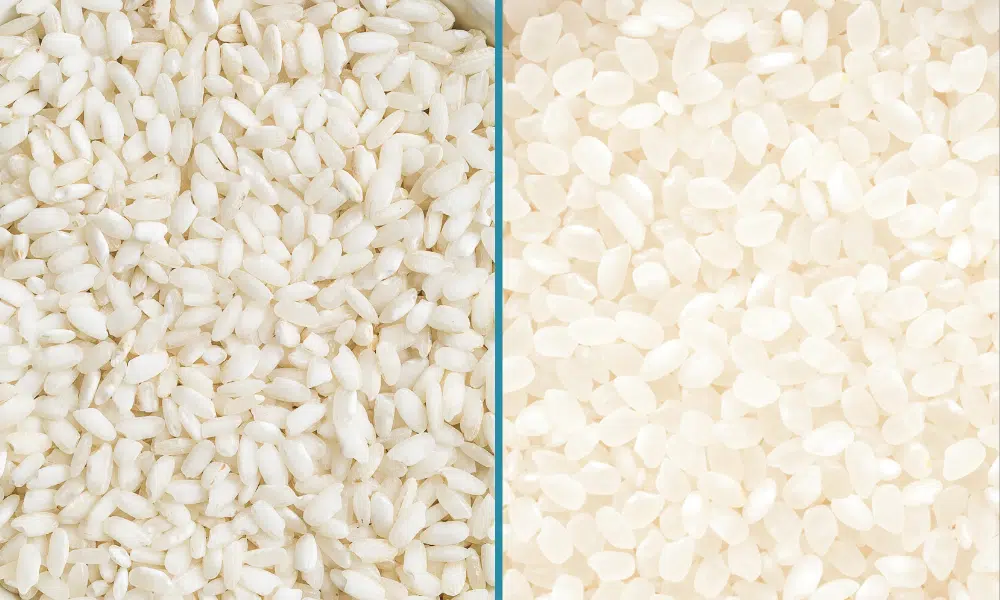
The biggest difference between sushi rice and calrose rice is that sushi rice is not a variety of rice, but rather a method by which to cook rice. Calrose rice is a variety of rice, grown in California.
What is Sushi Rice?
Sushi rice seems to be one of the most confusing rice varieties for those not entirely familiar with Japanese and East Asian cuisine, but it really is not that complicated.
In truth, sushi rice is a preparation method.
The rice is cooked as typical, depending on the type you are using. Short-grain white rice tends to be the preferred rice for making sushi as it has a higher amount of starch, so it is more likely to develop a stickiness.
Instead of adding just water to cook the rice, a mixture of rice vinegar, sugar, and salt is added in a 2:1:1 ratio. This is what gives sushi rice its sweeter taste compared to the typical bland taste of white rice.
You can use any type of rice you like to make sushi rice. Just remember that brown rice not only requires longer to cook but also has a naturally nuttier taste than white rice so will alter the flavour of your sushi.
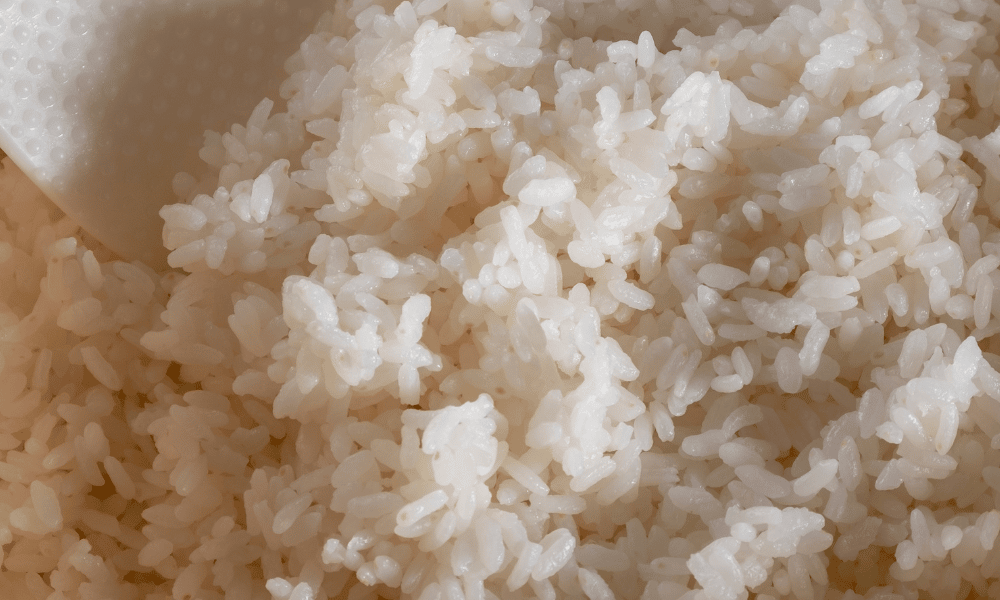
What is Calrose Rice?
It is not often that a rice will appear on western shelves unless it has been grown and harvested in Asia. Calrose rice was introduced to the rice market in 1948 and is grown in California instead of Asia, hence its name.
The rice grains are typically sold as white rice and grow to become a medium-sized grain. Yet despite its length, calrose rise is surprisingly soft when cooked. Its starch levels are high as it is white rice, so it develops enough natural stickiness to work for many sushi or stir-fry dishes.
As for taste, calrose is a very neutral rice. It can pair well with a range of dishes if you want to bulk out your dish. However, it is very good at picking up and retaining flavours, so is easy to make it the main feature in your dish.
Calrose only takes around 15-20 minutes to cook fully. Though cooking times will vary depending on how you cook the rice, as is the case with most rice varieties.
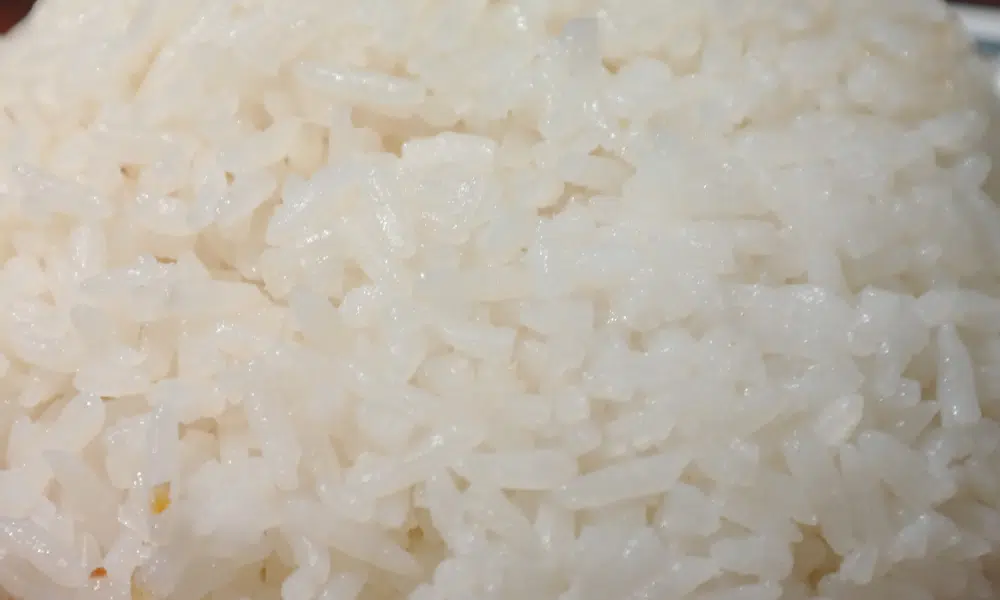
Similarities Between Sushi Rice and Calrose Rice
Depending on where you are in the world, you may have more access to sushi rice than calrose rice, but are they really that similar? Here are the key ways in which sushi rice and calrose rice are similar:
- White Rice Types – Every rice type will have its own level of starchiness, but it is white rice varieties that tend to be the most full of starch and, therefore, the better contenders for sticky rice recipes. That is why sushi rice and calrose rice are often used as they both develop into very sticky rice dishes.
- Dish Uses – Simply put, because of their starchy stickiness, calrose rice and sushi rice are both the perfect contender for making sushi rolls and other such dishes. The grains are able to be moulded into the desired shape and remain together without falling apart, which is a key characteristic needed when making sushi rolls.
- Mild Flavours – Sushi rice only develops its sweetness when you add that sweetness, meaning that you can make sushi rice as mild as you wish. However, even if you go a little over the top with the seasoning, sushi and calrose rice are very mild. You will not have to worry about their flavour stopping you from pairing them with your favourite meat or protein.
Differences Between Sushi Rice and Calrose Rice
Of course, there wouldn’t be a need to write this article if sushi rice and calrose rice were precisely the same. Here are some differences that clearly distinguish the two kinds of rice from each other:
- Method Or Variety – It is important to remember that while calrose rice is a type of rice–while sushi rice is a way in which to cook rice. It is true that you can buy sushi rice directly from the supermarket shelves, though that rice will likely only have been treated to develop a sweeter taste without you having to add your own sugar.
- Grain Length – As mentioned above, any starchy rice can be made into sushi rice. However, short-grain rice types are preferred as they are much easier to work with when making actual sushi rolls. Calrose rice is naturally grown as a medium-length grain and is usually sold as such.
- Country Of Origin – Few foods are more fundamentally Japanese than sushi rice. The rice typically used to make sushi rice has been cultivated and grown in Japan for centuries, leading to the development of the sushi rice preparation method. However, Calrose rice is one of the few rices grown outside of Asia, developed, grown and sold in the US.
- Flavour – Sushi rice is loved not only for its texture but also because of how its sweet flavour stands out from other regular, bland rice types–thanks to the use of sugar and rice vinegar. Calrose rice is not usually prepared with anything other than water, so is a comparably bland rice.
Sushi Rice vs Calrose Rice: Which Wins?
If you had to pick between sushi and calrose rice, which is it that you would pick? Cast your vote in our sushi rice vs calrose rice poll below:
Do You Prefer Sushi Rice or Calrose Rice?
Comparing Other Rice Types
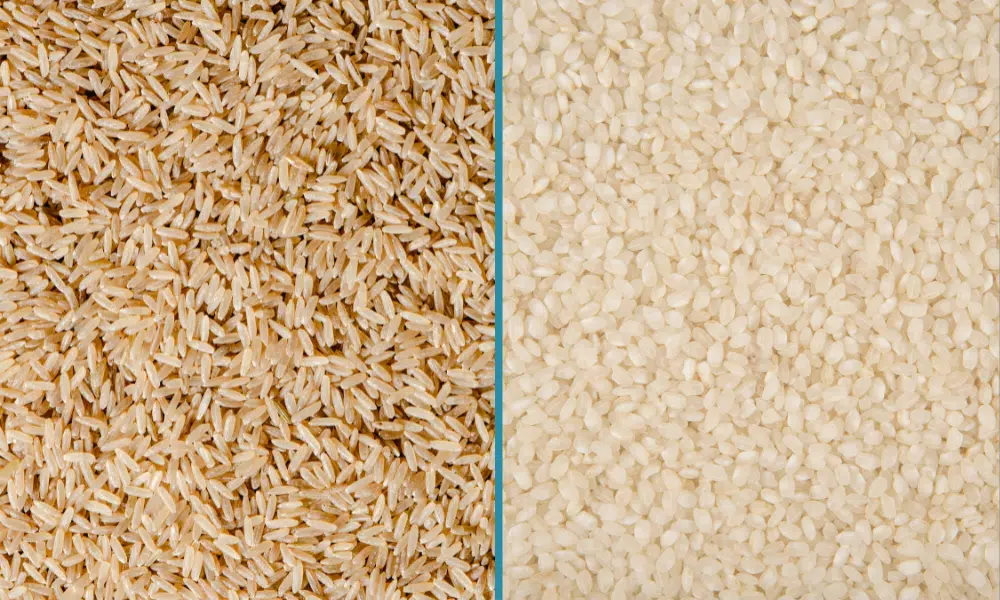
Rice comes in many forms, from white and brown to sushi and jasmine. But just how different are they?
Sushi Rice and Calrose Rice FAQs
Do you have more questions about what makes sushi and calrose rice different and similar? Then have a look at these FAQs:
You could, in theory, use calrose rice to make sushi rice as sushi rice is not a variety of rice but a preparation method.

Acacia may be a freelance writer by day, but they are a food fanatic by night. They are always trying out new recipes or finding different ways to elevate classical dishes. But their biggest culinary aim is to educate others on the basics of the kitchen so that they too can enjoy delicious food.