

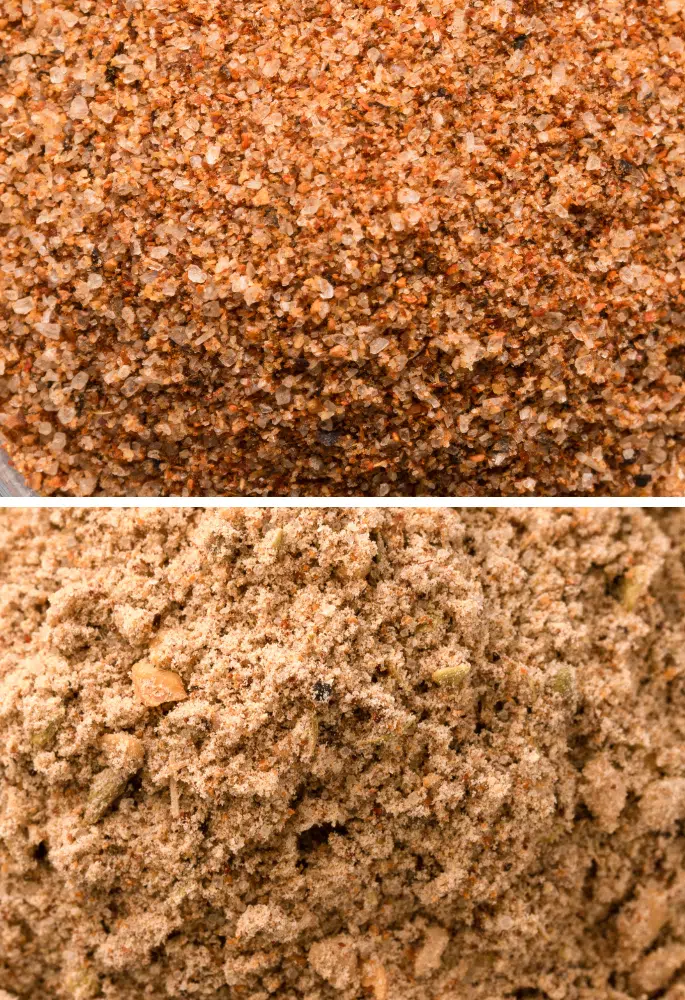
While you could try cooking with your own improvised spice mix, pre-made seasonings are the best way to inject your dish with flavour. Two common spice mixes stand out – jerk seasoning and Cajun seasoning.
Some think these two seasonings can be used interchangeably, but that is not true in all cases. We have broken down exactly how similar and different jerk and Cajun seasonings are so you know which to pick up in your next shop.
The most significant difference between jerk and Cajun seasoning is their heat level, which is different because of the types of chillies they use. Jerk seasoning uses scotch bonnet peppers which score more than double that of paprika on the scoville scale, which is the main pepper used in Cajun seasoning.
What is Jerk Seasoning?
Jerk cooking is a type of cooking that started in Jamaican tribes such as the Arawak tribe but spread in popularity across the Caribbean and the Americas.
Essentially, jerk cooking is when meat (usually pork or chicken) is rubbed or marinaded with a spice mix known as jerk seasoning.
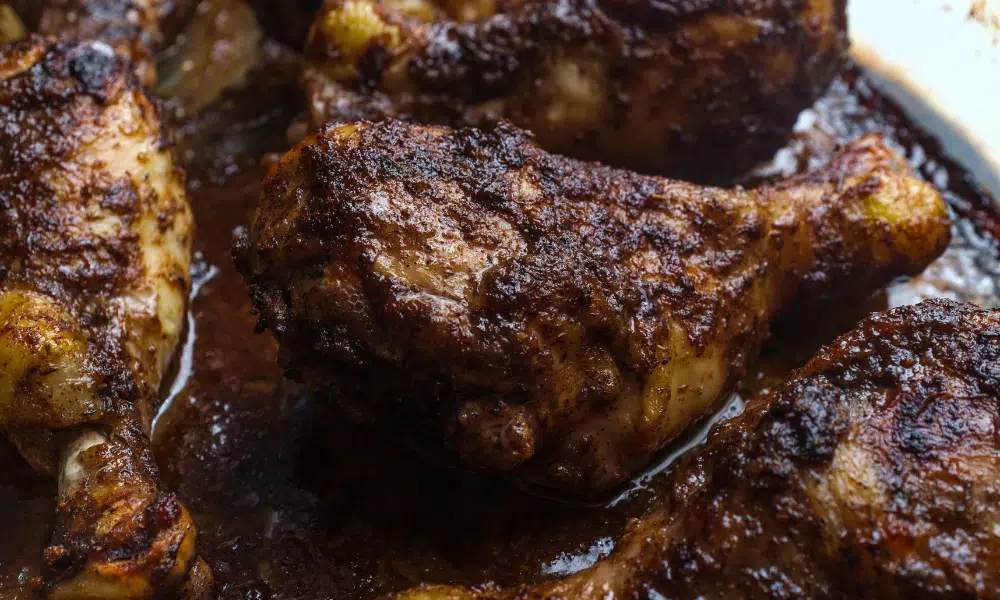
Each brand and family recipe for jerk seasoning will vary slightly. However, the core flavours used have varied little since its roots.
The dominant flavour of jerk seasoning is a warm spice followed by a little sweetness. Scotch bonnet peppers are the choice for jerk seasoning, scoring up to 350,000 on the Scoville heat scale.
Such a heat would be overbearing on its own, which is why plenty of brown sugar and onion is used to add just enough sweetness to the mix without comprising the heat entirely.
Jerk seasoning is as aromatic as it is tasty, relying on a mix of ginger, garlic, nutmeg, thyme, and cinnamon to deliver a truly tantalising smell.
You can use jerk seasoning for either dry rubs or a meat marinade. That being said, like most seasoning mixes, jerk seasoning will better flavour your food when used as a dry rub.
What is Cajun Seasoning?
Cajun seasoning is a staple of Cajun cooking, the type of cuisine that is at the very heart of Louisiana. The cuisine combines classic southern flavours with French robustness – this is reflected in Cajun seasoning, invented as an easy go-to mix.
Compared to other spice dishes, Cajun seasoning uses a very simple blend of herbs and spices, including oregano, paprika, cayenne, thyme, and garlic powder. The final result is not particularly strong in smell but certainly impactful in taste.
Due to the lack of sweetness used in Cajun seasoning, the prominent flavour of the mix is spice, made a little zesty by the herbs.
There is also an earthy undertone from garlic powder, onion powder, and various herbs, which is why the mix is most often used in stews and other such meals.
Any type of paprika can be used when making Cajun seasoning, but it will alter the final taste. Sweet paprika will add sweetness to the Cajun seasoning, while smoked paprika adds a barbequed taste to the mix.
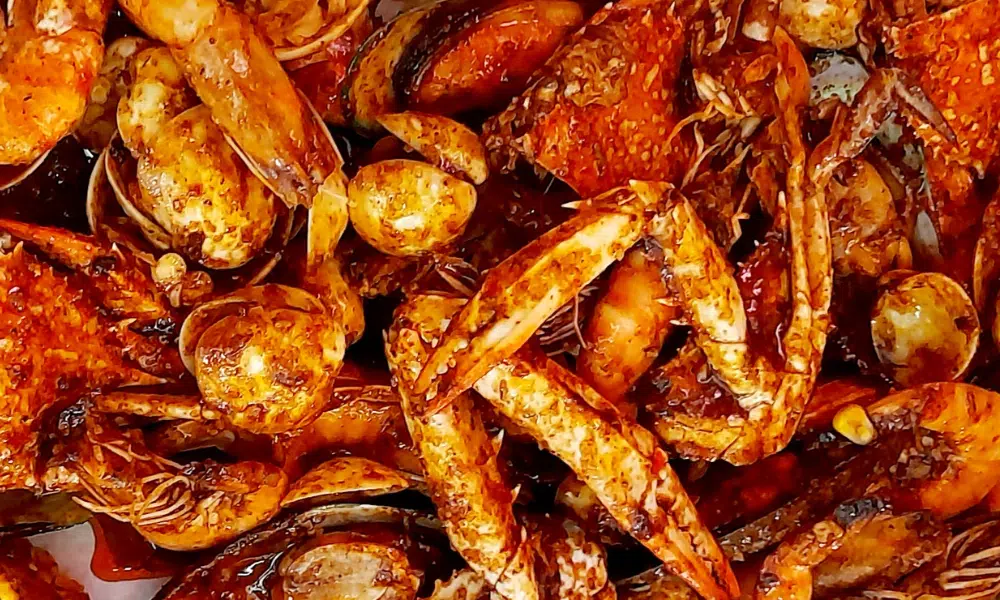
Similarities Between Jerk and Cajun Seasoning
Unless you are particularly knowledgeable about spice mixes, you would not be the first person to get jerk and Cajun seasonings confused. That is because of the similarities that they share, such as:
- Hot Mixes – One of the biggest appeals of both Cajun and jerk seasonings is the heat that they can provide without ultimately compromising the flavour of the dish. The heat in both mixes is slightly warm and predominantly spicey, just to different degrees.
- Meat of Choice – Chicken is easy to pair with a range of flavours which is why jerk and Cajun seasoning are primarily associated with chicken, as they are complex mixes that can elevate any chicken dish. Jerk and Cajun seasoning can also work well with any cut of pork with little effort on your end.
- Complex Flavours – Though jerk and Cajun seasonings are not unique in their purpose, they are some of the more complex seasonings regarding flavour. This is because the number of spices and herbs used work to emphasize and balance out flavours that only improve the taste of your dish.
Differences Between Jerk and Cajun Seasoning
For all their similarities, jerk and Cajun seasonings are not the same spice mix. They have some key differences that cannot be ignored. Such as:
- Types of Peppers Used – Cajun and jerk seasoning are more complex than mere spicy mixes. Both mixes source their spicy heat from different types of peppers. The scotch bonnet pepper is the main ingredient in jerk seasoning and is even hotter than a jalapeno pepper. Cajun seasoning relies on 2 types of red chilli pepper. Sweet or smoked paprika is the prominent pepper used, but cayenne pepper.
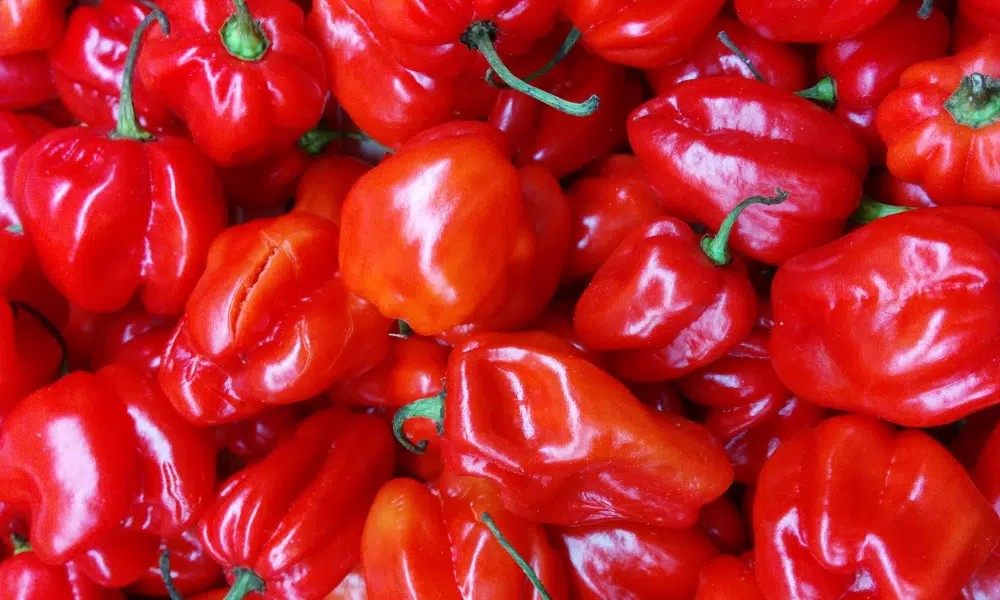
- Level of Heat – As you would expect, because of the difference in hot peppers that the mixes use, the level of heat that Cajun and jerk seasonings contain is not the same. Cajun seasoning may use 2 types of chilli peppers, but they are incredibly mild compared to the scotch bonnet pepper used in jerk seasoning.
- Level of Sweetness – Unless Cajun seasoning uses sweet paprika, there is no sweet source in the seasoning mix. Instead, there is an underlying earthiness. Jerk seasoning is almost as reliant on brown sugar as it is on scotch bonnet peppers, making it a much sweeter spice mix.
Jerk vs Cajun Seasoning: Which Wins?
If you were limited to only ever using either jerk or cajun seasoning, which would you go for? It’s time to vote when we have jerk vs cajun seasoning:
Do You Prefer Jerk or Cajun Seasoning?
Comparing Other Spices
The list of spices available in the supermarket is endless. But how do each of them compare? We’ve taken a look at many popular spices below:
Jerk and Cajun Seasoning FAQs
Do you have further questions about jerk and cajun seasoning? Then check out these FAQs:
Although you can swap them for one another in a recipe, the resultant dish will have a different flavour. Don’t expect Cajun seasoning to taste like jerk seasoning and vice versa.
Onion, garlic, thyme, cinnamon, nutmeg, scotch bonnet, salt and brown sugar are the primary ingredients in jerk seasoning.

Acacia may be a freelance writer by day, but they are a food fanatic by night. They are always trying out new recipes or finding different ways to elevate classical dishes. But their biggest culinary aim is to educate others on the basics of the kitchen so that they too can enjoy delicious food.

Great article and exactly the answer I was looking for. Thanks!