View All Posts Noodle

How to Reheat Noodles (Egg, Rice, Pancit & Japchae)

This is the ultimate guide to reheating just about every type of noodle imaginable

Ross Young
Updated:
How to Reheat Noodles (Egg, Rice, Pancit & Japchae) featured image

Key Takeaways

  • Add a splash of water, broth, or oil before reheating so egg, rice, and sweet potato starch noodles don't dry out or turn gummy
  • Cooked noodles need to reach 165°F throughout to be safe to eat again, whether you use the microwave or stovetop
  • For the best texture and lowest risk, only reheat noodles once — repeated reheating dries them out and gives bacteria more chances to grow
  • Rice noodles, Singapore noodles, and japchae rehydrate best with a quick steam, hot-water dunk, or hot wok, not a dry microwave blast
  • Ready-to-eat packet noodles should be reheated according to package instructions, since many are refrigerated and perishable rather than shelf-stable

Is It Safe to Reheat Noodles?

Leftover noodles have a bad reputation for turning into a gluey clump the next day, but that’s usually a texture problem, not a safety one.

The short answer is yes — reheating noodles is safe, as long as they were cooled and stored properly and you bring them back to steaming hot.

In my kitchen, the noodles that go wrong aren’t the ones I reheat — they’re the ones I forget on the counter overnight.

noodles

The tricky part is what happens between cooking and reheating, not the reheating itself.

Cooked noodles left sitting out can drift into the temperature danger zone, roughly 40°F to 140°F, where bacteria multiply fastest.

The FDA recommends getting cooked food into the fridge within two hours, or within one hour if the room is above 90°F.

So if you’re wondering whether it’s fine for noodles to cool on the stove a bit before you box them up — a short cool-down is fine, just don’t let it stretch past that window.

This answers a question I hear a lot: can noodles sit out warm after cooking and still be safe? Yes, briefly, but the clock starts the moment they stop steaming.

When you do reheat, the noodles — and any sauce or protein mixed in — should reach 165°F all the way through, not just warm on the surface.

A quick-read food thermometer takes the guesswork out of this; steam alone isn’t proof the center is hot.

If your leftovers are baked into a casserole-style dish rather than loose noodles in sauce, the approach is different — I’d point you toward our guide on how to reheat pasta bake for that particular texture.

How Many Times Can You Reheat Noodles?

I get this question constantly, and the honest answer is: once.

Each time you cool and reheat food, you give bacteria another window to grow before you kill them off again.

The USDA FSIS guidance on leftovers is clear that quality and safety both decline with repeated reheating.

In practice, noodles just don’t hold up to a second or third round anyway.

They dry out, the starches break down further, and sauces separate into an oily, watery mess.

My rule of thumb: portion leftovers into single-serving containers before refrigerating, so you’re only ever reheating what you’ll eat in one sitting.

That way you never have to wonder whether last week’s already-reheated noodles are good for one more pass — they’re not.

The Best Way to Reheat Noodles, by Type

Not all noodles behave the same way in the fridge, so the best method really depends on what’s in the container.

Starch type, sauce, and any vegetables mixed in all change how much moisture you need to add back.

Here’s how I handle the noodle dishes that come up most in my own kitchen.

How to Reheat Egg Noodles

Egg noodles, whether they’re buttered wide noodles or tossed into a stir-fry, dry out fast because of how much starch they carry.

For cooked egg noodles, I toss them with a teaspoon of water or broth per serving before reheating, which keeps them from turning into a stiff mat.

Yes, you can reheat cooked egg noodles in the microwave — cover them loosely, microwave in 30-second bursts, and stir between each one so they heat evenly.

Fresh egg noodles, the kind sold refrigerated or made at home, reheat the same way, but check them a little sooner since they’re more delicate and turn mushy fast.

Can you reheat fresh egg noodles at all, or should you eat them cold? You can reheat them — just use gentler heat and shorter bursts than you would with dried, packaged noodles.

If you’re used to reheating other delicate starches, the moisture-first approach is similar to what works for how to reheat gnocchi, another dish that turns gummy under high, dry heat.

How to Rehydrate Rice Noodles and Singapore Noodles

Rice noodles, including the vermicelli used in Singapore noodles, dry out and go stiff in the fridge because they lose moisture as they cool.

To rehydrate them, sprinkle a tablespoon or two of water over the top, cover loosely, and microwave in short 20-second bursts, fluffing with a fork between rounds.

You can also rehydrate rice noodles with a very quick dunk in a bowl of hot tap water for 10 to 15 seconds, then drain before reheating.

This loosens the strands without cooking them further, which matters if you don’t want mush.

Warming rice noodles in a hot, lightly oiled wok works even better, since direct heat crisps the edges while a splash of water steams the rest loose.

This is exactly the method I’d use for warming rice noodle leftovers from pad thai or a curry-noodle bowl the next day.

Reheating Pancit and Beansprout Noodle Dishes

Yes, you can heat leftover pancit in the microwave — the process is basically the same as for other rice or wheat noodle stir-fries.

Add a splash of water or soy sauce, cover it, and microwave in short bursts, checking often since pancit noodles go from just-right to mushy fast.

Dishes with bean sprouts, like chow mein or lo mein, are the one place I’d steer you toward the stovetop over the microwave when you can.

Bean sprouts release water as they heat, and a microwave traps that moisture, turning the noodles soggy.

A quick toss in a hot, dry pan lets the extra liquid cook off instead of pooling in the bowl.

If you do microwave a beansprout noodle dish, stir halfway through and drain any pooled liquid before serving.

How to Reheat Japchae (Korean Glass Noodles)

Japchae is made with dangmyeon, chewy sweet potato starch noodles, and it behaves differently from wheat or rice noodles once chilled.

japchae noodles

The noodles firm up and clump together in the fridge, but they’re forgiving — they don’t turn mushy nearly as fast as rice noodles do.

My go-to is a hot pan with a teaspoon of sesame oil and a splash of water, tossed over medium heat for two to three minutes until the strands loosen and turn glossy again.

Microwaving japchae works too — cover loosely, add a small splash of water, and heat in 30-second bursts, stirring to redistribute the sauce.

Either way, taste for seasoning once it’s hot; sweet potato starch noodles mute soy sauce and sesame flavor as they cool.

Quick reference for reheating common noodle types
Noodle Type Best Method Time Key Tip
Egg noodles Microwave or stovetop 60-90 seconds Add a splash of water or broth before heating
Rice noodles / Singapore noodles Steam, quick hot-water dunk, or wok 1-2 minutes Rehydrate with water before microwaving to avoid stiffness
Pancit Microwave in short bursts 60-90 seconds Cover and stir often to avoid dry edges
Beansprout noodle dishes (chow mein/lo mein) Stovetop preferred 2-3 minutes Drain excess liquid from sprouts before serving
Japchae (Korean glass noodles) Stovetop with sesame oil, or microwave 2-3 minutes Add water and taste for seasoning once hot
Ready-to-eat packet noodles Per package instructions Varies Always heat to steaming, don't assume safe cold

How to Reheat Noodles in the Microwave

The microwave is the fastest option, and it’s genuinely fine for most noodle leftovers if you use it right.

Start by adding your splash of water, broth, or a drizzle of oil — dry noodles in a dry microwave is the single biggest mistake I see.

Cover the dish loosely with a microwave-safe lid or a damp paper towel; this traps steam without letting pressure build.

microwave bowl noodles

Heat in 30-second bursts for most noodles, stirring between each one so the edges don’t overcook while the center stays cold.

Rice noodles and thinner strands do better with even shorter 20-second bursts, since they scorch and dry out faster than thicker wheat noodles.

Always check the center with a fork or thermometer before calling it done — a bowl that’s hot on top can still be cool underneath.

How to Reheat Noodles on the Stove or in a Wok

If you have a few extra minutes, the stovetop almost always beats the microwave for texture.

Heat a splash of oil in a nonstick pan or wok over medium-high heat until it shimmers.

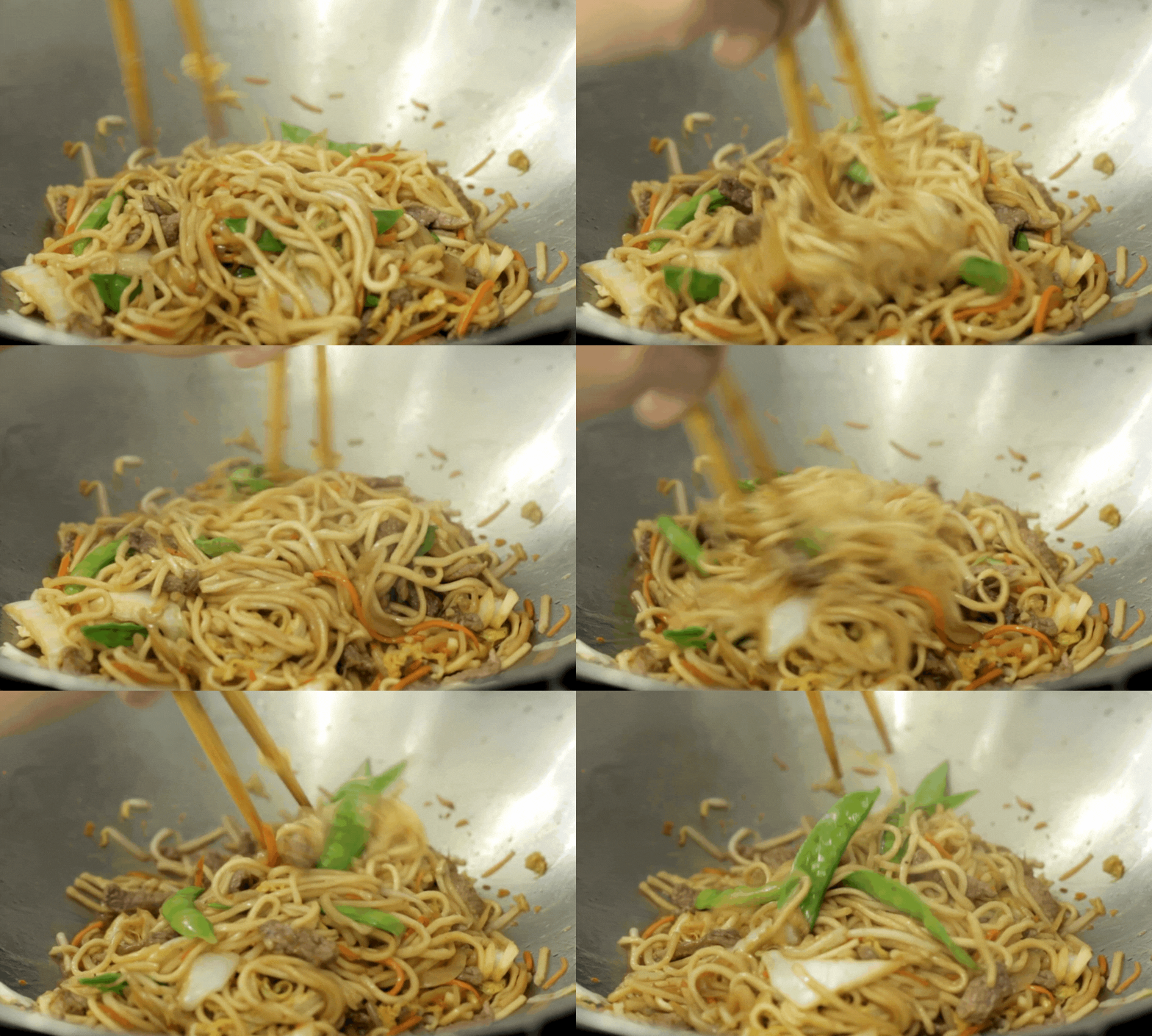
wok noodles

Add the noodles along with a tablespoon or two of water, broth, or sauce, and toss constantly so nothing sticks or scorches.

Two to three minutes is usually enough for loose noodle dishes; baked noodle casseroles need longer, covered, over lower heat.

The direct heat of a wok also re-crisps any noodles that got a slight char during the original cooking, which a microwave can never do.

This is the method I reach for with stir-fried noodles, pancit, and anything with vegetables that need to stay a little crisp rather than steamed soft.

Reheating Ready-to-Eat and Packet Noodles

Ready-to-eat noodle pouches — the refrigerated kind sold alongside deli salads, not shelf-stable instant ramen — deserve their own note.

Many of these, including some Asia-brand and Singapore-style ready-to-eat noodle packs, are fully cooked and refrigerated rather than shelf-stable, which means they’re perishable.

Do you have to microwave them? Check the package first: some are labeled safe to eat cold, straight from the fridge, while others say to heat before serving.

When in doubt, treat it like any other refrigerated, ready-to-eat food and heat it to steaming hot rather than assuming cold is automatically fine.

Never judge doneness by time alone — package instructions vary by brand, wattage, and portion size, so use them as a starting point and verify with a thermometer.

The same logic applies to any instant noodle cup you’ve already cooked and refrigerated; once it’s cooked, it’s perishable, full stop.

What to Pair with Reheated Noodles

Reheated noodles rarely need much dressing up, but a good side turns them into a full meal.

If you’re serving something Korean-leaning like japchae, warmed reheated chicken shawarma or a similar grilled protein rounds things out nicely.

For a heartier, curry-forward noodle bowl, a side of reheated Japanese curry spooned over the noodles turns leftovers into something new entirely.

Garlicky carbs are always a safe bet — I like warm reheated garlic knots on the side of a big bowl of lo mein.

Skewered meats also work well here; reheated kebabs sliced over noodles add protein without much extra work.

Whatever you pair, reheat the noodles and the side separately so neither one overcooks waiting on the other.

Storing Leftover Noodles Properly

Good reheating starts with good storage, long before the noodles ever go back near heat.

Cool noodles quickly by spreading them on a sheet pan for a few minutes rather than leaving a deep, hot pile in a sealed container.

Once they’re no longer steaming, transfer them to airtight containers and refrigerate within two hours.

Separating sauce from noodles when possible helps prevent that gummy, clumped texture that makes people reach for extra water at reheating time.

Most cooked noodle dishes keep well in the fridge for three to four days, per general USDA guidance on refrigerating cooked leftovers.

Label containers with the date — it’s a small habit, but it’s the easiest way to avoid guessing whether something’s still good.

If you won’t eat leftovers within that window, freezing is usually a better bet than letting them sit and hoping.

Frequently Asked Questions

Can I reheat cooked egg noodles in the microwave?

Yes. Toss them with a little water or broth, cover loosely, and microwave in 30-second bursts, stirring between each until they reach 165°F throughout.

How many times can you reheat noodles?

Once. Repeated cooling and reheating gives bacteria more chances to grow and leaves noodles dry, gummy, and prone to separated sauce.

Do you have to microwave ready-to-eat Singapore noodles?

Check the package first. Some refrigerated ready-to-eat noodle packs are labeled safe cold, but if it's not specified, heat them to steaming since they're perishable, not shelf-stable.

Is it safe for noodles to sit out warm after cooking?

A short cool-down on the counter is fine, but get them into the fridge within two hours, or within one hour if the room is above 90°F, per FDA guidance.

What's the best way to reheat rice noodles without them turning stiff?

Add water before heating. A quick hot-water dunk, a covered microwave burst with added moisture, or a hot wok all rehydrate rice noodles better than dry heat alone.

Leave a Comment