
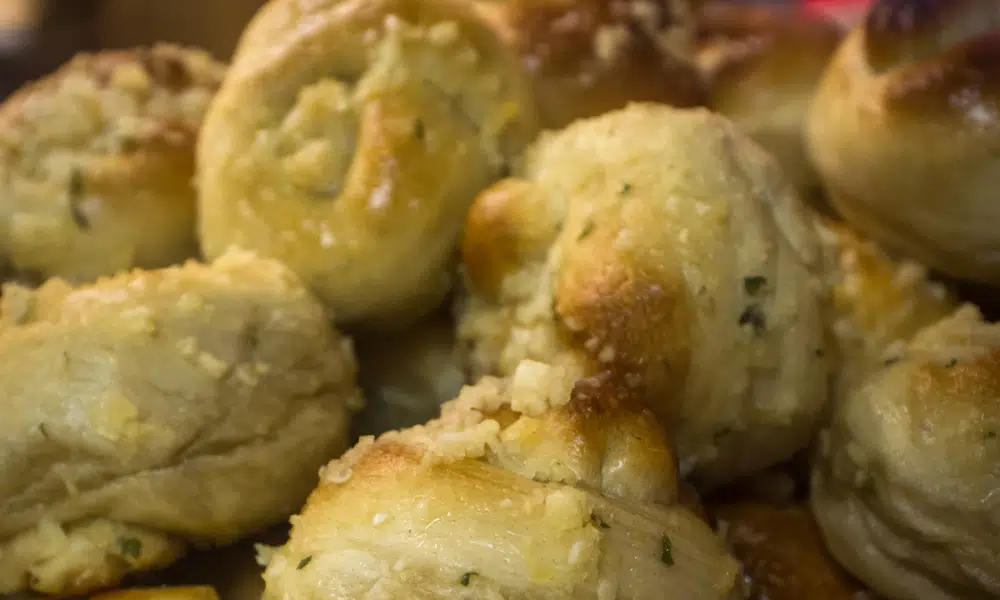
There is something so addictive about garlic knots. 1, 5 or even 9 simply doesn’t seem to hit the spot until suddenly you are too full to manage another knot.
Though any leftover garlic knots can be enjoyed cold, there are infinitely better when warm. But it is worth reheating garlic knots? And how do you reheat them?
To reheat garlic knots, you can either pop them onto a baking tray in the oven for around 10 minutes or reheat them in the microwave in just a few minutes.
How to Reheat Garlic Knots
Garlic knots may be a widely enjoyed food, often the first thing eaten whenever it is pizza night, but they are not the easiest food to reheat. Recapturing the soft inside and crunchy outer layer of the garlic knot dough is difficult.
Still, reheating garlic knots is not impossible if you follow one of the 2 methods detailed below carefully:
How to Reheat Garlic Knots in the Oven
The best method for reheating large or small batches of garlic knots is in the oven.
Considering that the best garlic knots are cooked in the oven, it makes sense that only an oven’s heat can help to recreate the create textures of garlic knots:
- Preheat the Oven
Set your oven to 175C (350F) before reheating your garlic knots to give the oven enough time to reach the right temperature. This will help to reduce how much time the garlic knots will need in the oven. - Prepare a Baking Tray
Line a baking tray with parchment paper and arrange the garlic knots so they do not touch each other. Leaving around 1/2 inch of space between the knots will allow them to evenly reheat. - Reheat
Place the baking tray of garlic knots in the middle of your oven and leave to bake for around 10 minutes. Don’t forget to check on the knots halfway through to ensure they are not burning or drying out too much. - Serve!
Reheated garlic knots are best served right away. Waiting to serve them could make the knots stale, so try and time reheating them with the rest of your meal.
How to Reheat Garlic Knots in the Microwave
When you want a quick snack before dinner or need to add a quick side dish to an already prepared meal, you could always simply microwave your garlic knots.
It may not be the most effective method for reheating garlic knots and will not maintain the knots’ texture the same, but it is still a useful reheating method to know:
- Prepare a Damp Towel
The key to getting garlic knots as fluffy as possible via the microwave is to place a slightly damp kitchen or paper towel at the bottom of the microwave when you reheat the knots. This extra moisture will create steam, rehydrating the garlic knots. - Arrange on a Plate
On a microwavable plate big enough to hold your garlic knots arrange the knots so that they are touching as little as possible. Avoid layering the knots where you can for a more even reheating. - Reheat
Using a medium-low setting, microwave your garlic knots for 30 seconds. - Check Knots
After 30 seconds, check on the knots and spray with some cold water if they are still stiff or stale to soften. - Reheat Again
Microwave for another 30 seconds or until the garlic knots are hot to the touch. Then, being careful not to burn your hands on the hot plate, serve the knots.
How to Reheat Garlic Knots Successfully
To successfully recreate that delicious chewy softness of garlic knots, follow these reheating tips:
- Avoid Reheating in a Container – You may be tempted to try and save on washing up by microwaving your garlic knots in the plastic container you use to store them. But any moisture from the garlic knots or the damp towel will gather at the bottom of the container and turn the bottom of the garlic knots soggy.
- Spray With Water to Fix Stale Garlic Knots – Depending on how well you have stored your garlic knots, they could be more stale or soggy. If you find your garlic knots stale, lightly spray the knots with some water to add extra moisture. Do not overdo it with the spraying as you still want that crunchy outer layer.
- Reheat Frozen Garlic Knots In The Oven – You can use the microwave to defrost frozen garlic knots if you wish, but the texture will be all wrong. Instead, you should use the oven method listed above. Wait 5-10 minutes to allow the knots to thaw before using the oven.
- Rearrange Your Oven to Prevent Burning – If you find that your garlic knots are beginning to burn in the oven but are not fully reheated yet, don’t turn down the heat as that will just dry out the knots. Instead, move the baking tray to a lower level in your oven so that the heat isn’t directly hitting the top of the knots.
Is It Safe to Reheat Garlic Knots?
As garlic knots are just dough and garlic butter, for the most part, they are very safe to reheat. You can even eat them cold if you want to but reheating them will make the inner dough soft and chewy again as if they were fresh.
There are only two ways you can reheat garlic knots without drying out the dough completely – the best way being in the oven – but these methods are effective when followed correctly.
Reheating Garlic Knots FAQs
If you still have queries about how you should reheat garlic knots then these FAQs might help you out:
One of the main issues with reheating garlic knots is that they will quickly dry out and become brittle. You can combat this by spraying them with water during reheating to add moisture to the bread.
Garlic bread can be reheated in the oven or the microwave. Either pop slices into the oven for around 10 minutes or blast in the microwave for around 2 minutes. 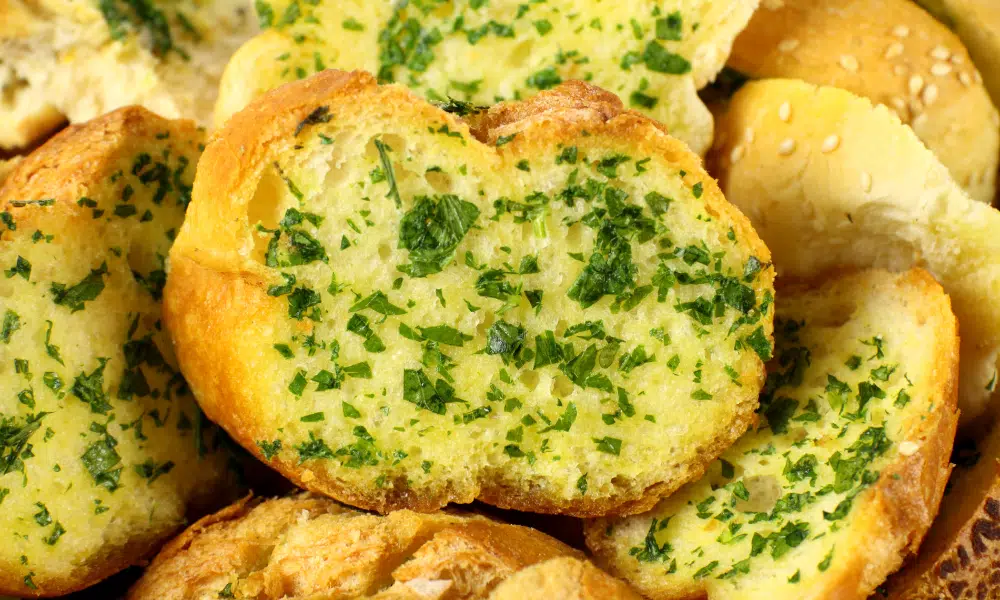

Acacia may be a freelance writer by day, but they are a food fanatic by night. They are always trying out new recipes or finding different ways to elevate classical dishes. But their biggest culinary aim is to educate others on the basics of the kitchen so that they too can enjoy delicious food.