
It is hard enough as it is trying to stay healthy and ensure you get your 5 a day. It is even harder to do so when you’re constantly short on time— you either end up making something that is certainly not healthy or eating flavourless vegetables.
The good news is that you don’t have to settle for gross kale if you only have a few minutes to spare for dinner. You can enjoy your veg with flavour simply by using your microwave.
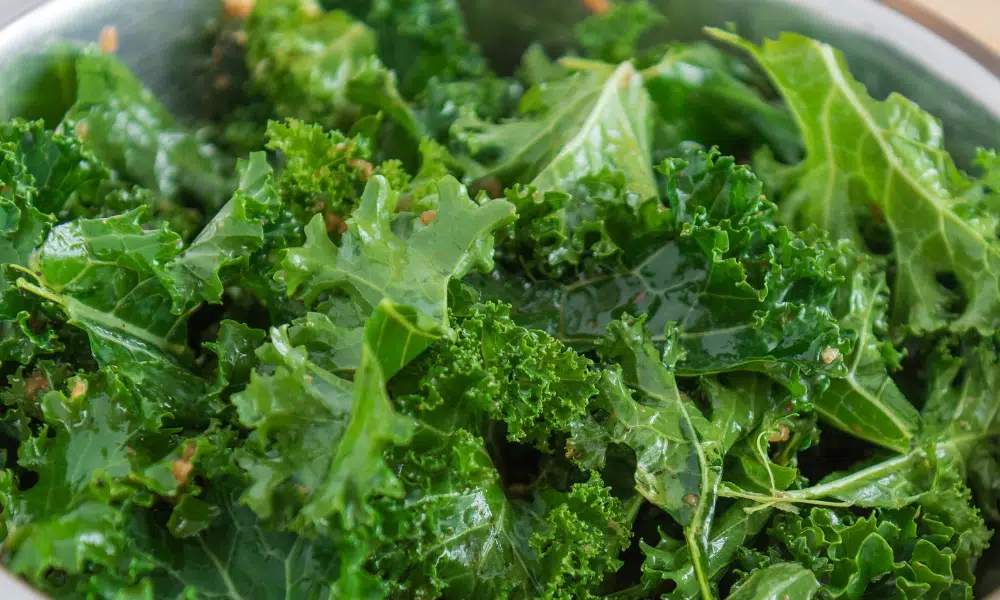
To microwave kale, pop a handful of chopped kale into a bowl with a splash of water, cover and microwave for 2 minutes. Drain, season and then serve.
How to Microwave Kale
Microwaving kale is just as, if not easier, than using other cooking methods. You can season your kale however you like. Just hold off on that extra flavour until the kale is thoroughly cooked.
Here is the best way to microwave kale:
- Cut The Kale
It will be much easier to chop up your kale before it is microwaved, so do that first. - Find A Bowl
Transfer your chopped kale to a sizable microwave-safe bowl. - Add Water
Add around 1 tablespoon of water to the bowl by drizzling it over your kale. If your kale is a little smaller than average, use less water. - Cover
Take a clean paper towel and lay it over the top of the kale. Alternatively, you can use a plate. - Microwave
Set your microwave to high heat and cook the kale for 2 minutes. - Drain
Remove the paper towel, being careful of the hot steam and drain any extra water from the kale bowl. - Season
Now you can add any extra flavours you wish to your kale. Gently toss the kale to spread the seasoning evenly. - Serve
Move your kale to a serving plate or bowl and eat immediately.
How to Microwave Kale Successfully
No matter how experienced you are in the kitchen, you are bound to have some hard-to-break cooking habits.
However, when you use a microwave to cook kale instead of traditional cooking methods, you will find these habits a hindrance rather than a help.
Here are a few things to keep in mind and avoid when you are cooking kale in a microwave:
- Always Clean Before Cooking – No matter if you use home-grown or store-bought kale, make sure to give the greens a quick clean before you start cooking them. This will remove any residual dirt or pesticide which can make you ill.
- Enjoy Straight Away – Once the kale is cooked, it will turn soggy the longer it is left on the side. So, try timing your microwaved kale with the rest of your dish to avoid serving soggy and unpleasant kale.
- Don’t Chop Too Small – When cutting up your kale, you may be tempted to cut it into small pieces to make it cook quicker. In most cases, this would work. But kale will turn limp and soggy if you cut it up too small before cooking it. Chop your kale into medium-sized chunks for the best flavour and texture.
Why You Should Microwave Kale
Some people like to jump straight to how unnatural cooking vegetables in a microwave is instead of understanding how the benefits can help those who lead a busy life or are trying to make their life easier.
Here are a few reasons that you should use your microwave to cook kale:
Won’t Lose Nutrients
Some people are put off microwaving their vegetables because they think it will ruin the nutritional value of the food. Kale will retain all of its nutrients when microwaved as it would when cooked on the stove or in the oven.
So long as you don’t overcook the kale, you can still use your microwave to eat healthily.
One Dish Wonder
The best part about microwaving kale is the lack of dishes you will have to use.
You can prepare, cook and serve the kale all in the same bowl if you so wish. This will save you a lot of washing-up time and encourage you to want to eat your veggies more often!
Why You Shouldn’t Microwave Kale
As is the case with all vegetables, some issues can arise when using a microwave to cook your kale. Here are the main potential problems to keep in mind:
Lack of Texture
Really, all that you are doing when microwaving kale is making it soft enough and hot enough to enjoy with the rest of your dish.
A microwave will not yield crispy kale like an oven, which can ruin the texture of your dish depending on what you are cooking.
Not as Flavourful
You should avoid adding any extra oil or wet ingredients to your kale when you microwave it to avoid moist and limp results. However, in a lot of recipes, it is these additions that create such a delicious dish.
You can add as many extra flavours as you like once the kale has been cooked. But, they will not be as impactful as if you were to cook the kale with these additions.
Microwaving Kale FAQs
Not sure about microwaving kale still? Then check these Q&As out:
Although myths would let you believe that microwaving kale is bad, it is not. Nutrients are not lost through microwaving fortunately.
Yes, kale chips can be made in the microwave. Add kale leaves to a microwave-safe plate, drizzle with olive oil and microwave for around 2 minutes until crispy. 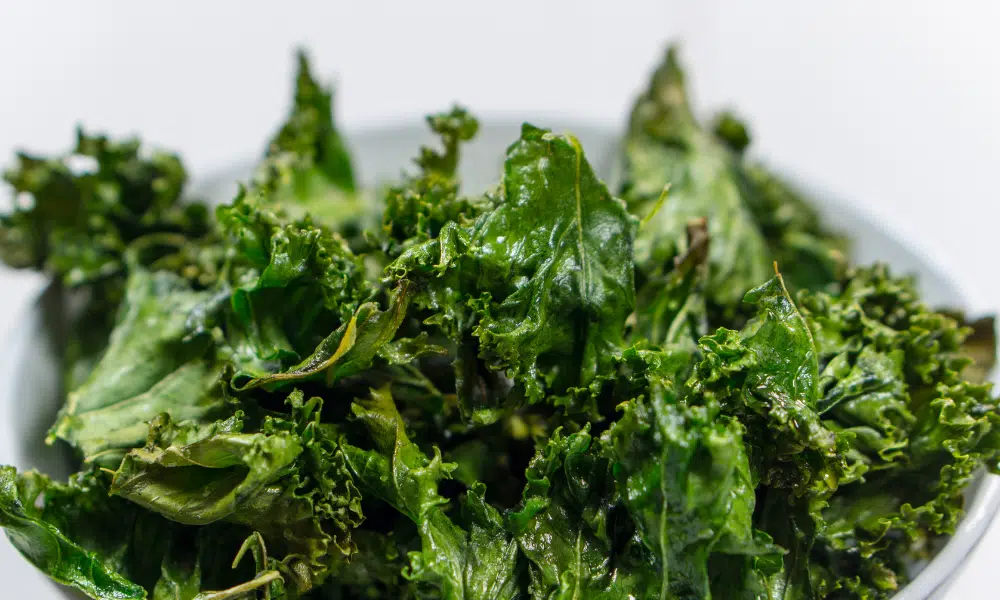

Acacia may be a freelance writer by day, but they are a food fanatic by night. They are always trying out new recipes or finding different ways to elevate classical dishes. But their biggest culinary aim is to educate others on the basics of the kitchen so that they too can enjoy delicious food.