View All Posts Beet

How to Microwave Beetroot

Could this be the easiest, quickest and smartest way to cook beets?

Ross Young
Updated:
How to Microwave Beetroot featured image

Key Takeaways

  • Microwaving whole beets takes about 12-16 minutes versus 45-60 minutes for boiling or roasting.
  • Wrap whole beets in a damp paper towel and pierce the skin a few times before cooking to let steam escape safely.
  • Sliced or cubed beets cook even faster – usually 6-10 minutes covered with a splash of water.
  • Let beets rest a few minutes after cooking; the skins will slip off easily under running water.
  • Beets are high in oxalates, so anyone prone to kidney stones should ask a healthcare provider about how much to eat.

Can You Cook Beetroot in a Microwave?

Yes, you absolutely can, and honestly it’s the method I reach for most weeknights.

The short answer is yes – and it’s genuinely the quickest way to get tender beets on your plate.

Boiling beets takes the better part of an hour, and roasting isn’t much faster once your oven preheats.

In my experience, the microwave gets a medium beet fork-tender in under 15 minutes, skin and all.

That’s a real time-saver on a busy Tuesday when you still want that earthy, sweet flavor beets bring to a salad or side dish.

beet

One quick note on naming: I’ll call this vegetable ‘beets’ through the rest of the article, the way most US cooks and recipes do, even though ‘beetroot’ is the same thing and what you searched for.

What You’ll Need Before You Start

You don’t need much gear for this, which is half the appeal.

Grab fresh beets (small to medium ones cook most evenly), a microwave-safe bowl or plate, and either plastic wrap, a microwave-safe lid, or a damp paper towel.

A fork or the tip of a paring knife is handy for testing doneness, and I always keep a pair of disposable gloves nearby – beet juice stains hands and cutting boards for days if you let it.

Scrub the beets under cool water first to knock off any dirt, but don’t peel them yet if you’re cooking them whole – the skin actually helps hold in moisture and nutrients while they steam.

How to Microwave Whole Beets

This is the method I use most, especially when I want beets for roasting into a salad later without turning on the oven.

Step-by-Step for Whole Beets

Trim the leafy tops, leaving about an inch of stem so the beet doesn’t ‘bleed’ as much color while it cooks.

Pierce each beet several times with a fork, the same way you’d prick a potato, so steam has somewhere to escape.

Wrap each beet loosely in a damp paper towel, then place them on a microwave-safe plate.

Microwave on high for 4 minutes, then flip and continue in 3-minute bursts, checking with a fork after each round.

A medium beet (about the size of a tennis ball) usually needs 12-16 minutes total; a large one can take closer to 18-20 minutes.

Let the beets rest, still wrapped, for 5 minutes before handling – they keep cooking a little from residual heat, and the skins soften further.

How to Microwave Beetroot Whole Without Overcooking

The biggest mistake I see is walking away and coming back to a shriveled, overcooked beet.

Beets don’t give obvious visual cues the way, say, broccoli does when it’s done, so you really do need to test with a fork.

You’re looking for a fork that slides in with just a little resistance, like a baked potato that’s almost but not quite done – it’ll finish softening as it rests.

If your microwave is on the weaker side (700 watts or less), add 2-3 extra minutes per round; a 1000-watt-plus microwave will cook faster than my times above, so check earlier.

How to Microwave Sliced or Cubed Beets

If you’re short on time or the beets are already peeled, slicing or cubing them first cuts the cooking time nearly in half.

Peel the beets with a vegetable peeler, then cut into 1/2-inch cubes or 1/4-inch slices for even cooking.

Put them in a microwave-safe bowl with about 2 tablespoons of water, cover with a microwave-safe lid or vented plastic wrap, and microwave on high for 6-8 minutes for slices, or 8-10 minutes for cubes.

Stir halfway through so the pieces on the outside don’t overcook while the center catches up.

salad

Can You Steam Sliced Beetroot in the Microwave?

Yes – and technically that’s exactly what’s happening when you cover sliced beets with a splash of water in a covered dish.

The lid traps steam, which cooks the beets gently and evenly, similar in principle to steaming on the stovetop, just faster and with one less pot to wash.

If you’d rather steam on the stovetop instead, a covered saucepan with an inch of simmering water and a steamer basket will get sliced beets tender in about 10-12 minutes – a fine option if your microwave is in use for something else.

Beetroot Chips in the Microwave

This one surprised me the first time I tried it – thin beet slices really can crisp up in the microwave, no deep fryer required.

Slice peeled beets as thin as you can manage, about 1/16 inch, ideally with a mandoline for consistency.

Toss the slices lightly with oil and a pinch of salt, then arrange them in a single layer on a microwave-safe rack or a plate lined with parchment paper – not paper towel, which can scorch.

Microwave on high in 2-minute bursts, checking often, until the edges curl and turn a shade darker; this usually takes 6-9 minutes total depending on thickness and your microwave’s power.

They’ll still feel a bit soft straight out of the microwave but crisp up further as they cool for a couple of minutes on the counter.

Don’t expect the shatter-crisp crunch of a deep-fried chip – microwave beet chips land somewhere between a chip and a dehydrated veggie snack, which honestly I like just as much.

Microwave times by beet preparation (based on a standard 1000-watt microwave)
Preparation Water Needed Cook Time Doneness Test
Whole, medium beet None (wrap in damp paper towel) 12-16 minutes Fork slides in with slight resistance
Whole, large beet None (wrap in damp paper towel) 18-20 minutes Fork slides in easily
Sliced, 1/4-inch 2 tbsp, covered 6-8 minutes Slices bend, don’t snap
Cubed, 1/2-inch 2 tbsp, covered 8-10 minutes Fork pierces cube easily
Thin chips, 1/16-inch Light oil only 6-9 minutes Edges curl and darken

Troubleshooting Common Microwave Beet Mistakes

The quickest way to cook beetroot only works well if you avoid a few classic slip-ups.

Skipping the fork-piercing step is the top mistake – unpierced whole beets can build up steam pressure and, in rare cases, split or pop in the microwave.

Not adding any water to sliced beets is another one; without moisture, the edges dry out and toughen before the center cooks through.

Overcrowding the bowl leads to uneven cooking too – if you’re doing a big batch, cook in two rounds rather than piling everything into one dish.

And if beets come out unevenly cooked, it’s almost always a size problem – try to pick beets of similar size so they finish at the same time.

Nutrition and One Important Health Consideration

Beets bring genuine nutritional upside to the table – they’re a good source of folate and manganese, according to USDA FoodData Central’s entry for raw beets.

Cooking methods that use less water and shorter times, like microwaving, can help retain more of the heat-sensitive vitamins compared to a long boil, according to guidance from the Harvard T.H. Chan School of Public Health’s overview of vegetable nutrition.

Beets are also naturally high in dietary nitrates, which is why beet juice gets attention for blood pressure – though the Mayo Clinic’s answer on beet juice and blood pressure notes the evidence is still developing and isn’t a substitute for prescribed treatment.

One important warning to understand: beets are also relatively high in oxalates, compounds that can contribute to certain types of kidney stones in people who are prone to them.

Cooking beets does not remove this risk entirely, so if you have a history of oxalate kidney stones, it’s worth reviewing your beet intake with a healthcare professional – MedlinePlus’s guide to an oxalate-controlled diet is a good starting point for understanding which foods count.

This isn’t the only consideration either – like any vegetable, beets should still be washed, stored properly, and handled with normal kitchen hygiene in mind.

What to Do With Microwaved Beets

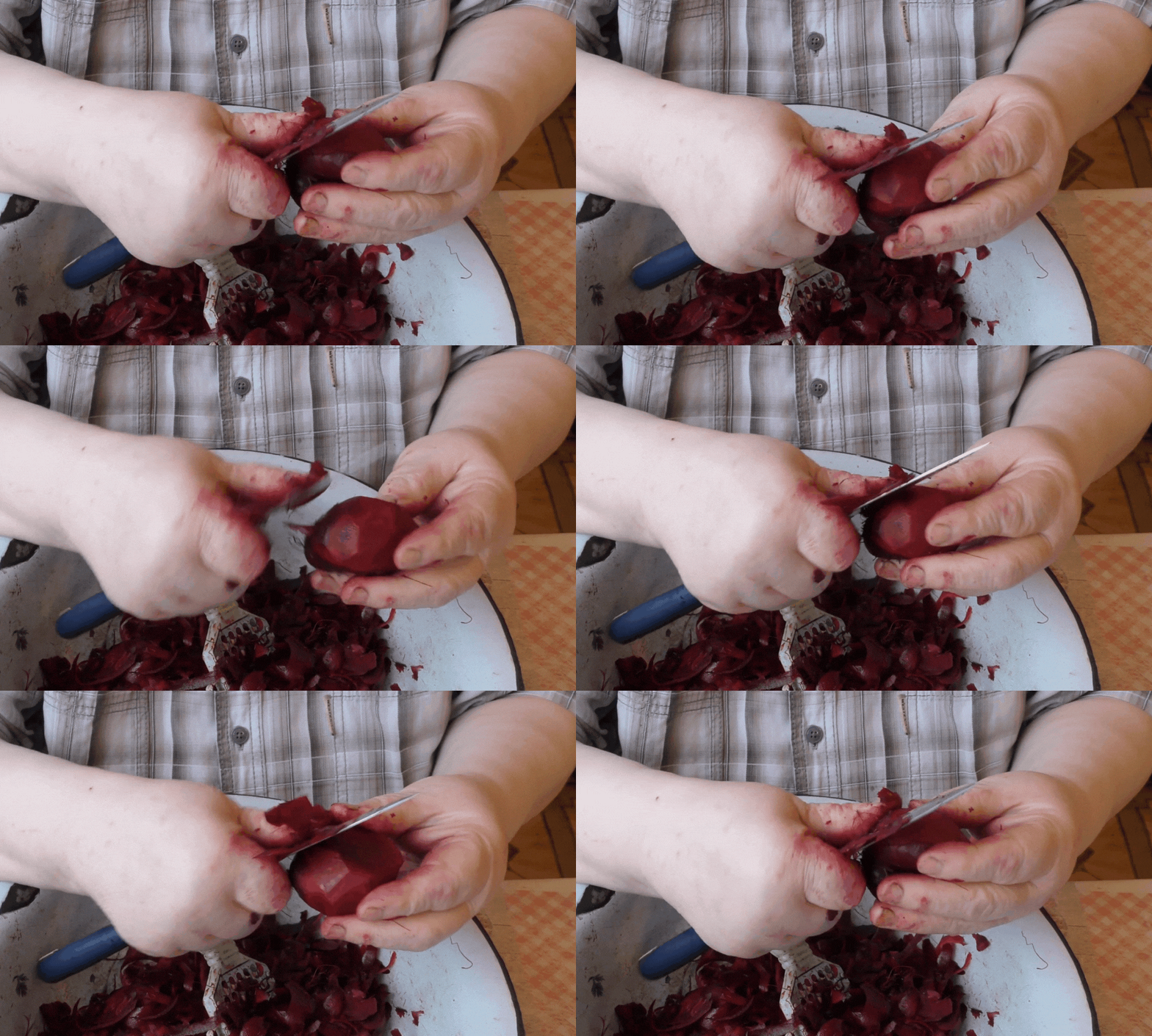
Once your beets are tender, the skins should rub right off under cool running water – I use a paper towel to help them slip away without staining my hands too badly.

Sliced warm and tossed with olive oil, a splash of vinegar, salt, and cracked pepper, they make a simple side in under 20 minutes total.

I love them diced into a salad with soft cheese and toasted walnuts, or blitzed into a quick dip with yogurt and garlic.

If you’re rounding out a microwave-only meal, it’s worth knowing that plenty of other vegetables cook just as fast this way – I use the same fork-and-bowl approach for how to microwave broccoli, how to microwave baby potatoes, and how to microwave tomatoes when I want a full plate of veg without heating the oven.

Mushrooms and lentils are two more staples that microwave surprisingly well if you want to round out a bowl – see how to microwave mushrooms and how to microwave lentils for the details.

Frequently Asked Questions

How do you microwave beetroot whole?

Trim the tops, pierce the skin several times with a fork, wrap in a damp paper towel, and microwave on high in 3-4 minute bursts, flipping between rounds, until a fork slides in with just a little resistance – about 12-16 minutes for a medium beet.

What is the quickest way to cook beetroot?

Microwaving sliced or cubed beets is faster than cooking them whole – covered with a splash of water, thin slices are usually tender in 6-8 minutes, versus 12-16 minutes for a whole beet.

Can you make beetroot chips in the microwave?

Yes – slice beets very thin, toss lightly with oil and salt, and microwave in 2-minute bursts until the edges curl and darken, roughly 6-9 minutes total; they crisp up further as they cool.

Do you need to add water when microwaving beetroot?

Whole beets don’t need added water since the skin and damp paper towel hold in enough moisture, but sliced or cubed beets should have a couple tablespoons of water and a cover so they steam instead of drying out.

Is it safe to cook beetroot in the microwave?

Yes, as long as you pierce whole beets before cooking so steam can escape, use microwave-safe containers, and let them rest briefly before handling – the same general food-safety practices that apply to any vegetable.

Leave a Comment