
Whether you want to mash them, roast them, or fry them in a hash. Turnips can do everything any other root vegetable can. But they are a winter vegetable, making them very tricky to find during the warmer months.
You can try stocking up and freezing some turnips during the winter to still enjoy the deliciously sweet veg the rest of the year.
To freeze turnips, prep them how you normally would before freezing them spread out on a baking tray. Once the cubes are frozen solid, you can tip them into a freezer bag to store them for up to 12 months.
How to Freeze Turnips
You can freeze turnips in several ways to let the vegetable maintain its versatility when you are ready to use it again.
Some methods for freezing turnips will offer more flexibility in your cooking than others. Likewise, you will find some methods to be more time-consuming than others. But which method you follow is up to you and your needs:
How to Freeze Fresh Turnips
Fresh turnips may not always appear fresh when you buy them out of season.
However, if you buy turnips during winter and freeze them, they will still taste fresh when defrosted. Here is how:
- Thoroughly Clean
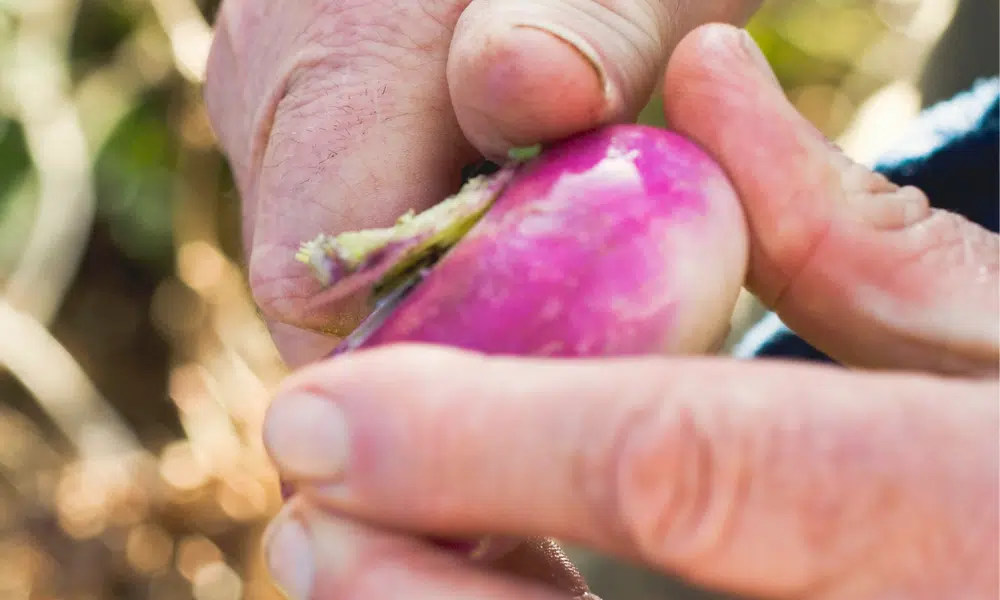
It will be much harder to remove dirt or soil from the turnips once frozen. Take a moment to thoroughly clean the turnips using some warm water and a scrubbing brush. - Peel
Likewise, it would be best to peel the turnips before freezing them to make the job easier.
- Chop The Turnip
Decide how big you would most likely need your turnip pieces and cut up the turnip accordingly. Though do not leave the pieces bigger than ½ inch. Otherwise, they will not blanch all the way through. - Prep A Bowl
To make the blanching process quicker and easier, it is best to have a bowl of ice-cold water ready before you start blanching. - Boil Some Water
Put some water on to boil at a medium to high heat. The pot will need to be big enough to fit all your turnip pieces without overcrowding them. - Blanch
Once the water is boiled, drop in the fresh turnip. Let the turnip boil for a maximum of 2 minutes. - Drop In Ice Water
After 2 minutes, drain the boiling water as quickly as possible and move the turnip pieces to the bowl of ice-cold water to cool. - Transfer To A Baking Sheet
Move the blanched turnip pieces to a large baking sheet, big enough to space out all the pieces evenly. The more gaps between the pieces, the better they will freeze initially. - Pat Dry
Using some kitchen roll, gently pat down any remaining ice water on the turnip pieces to prevent the turnips from crystalising and turning soggy. - Flash Freeze
Place the baking tray as far back into your freezer as you can. Then leave the turnips to freeze for up to 2 hours. - Transfer To Better Storage
After 2 hours, check to see if the pieces have frozen solid. If they have, move them to an airtight container or freezer bag. If they haven’t, leave the pieces to freeze for another hour. - Seal And Secure
You can use a freezer bag or a plastic container to store frozen fresh turnips just so long as the storage is airtight. - Label And Freeze
Use a marker to label your turnip with the date and contents. Fresh turnip can last 12 months in your freezer.
If you are making a stew or soup, add the frozen fresh turnip directly to the pot to defrost. For other dishes, you will need to defrost the turnips by boiling them for a few minutes and then adding them to your dish.
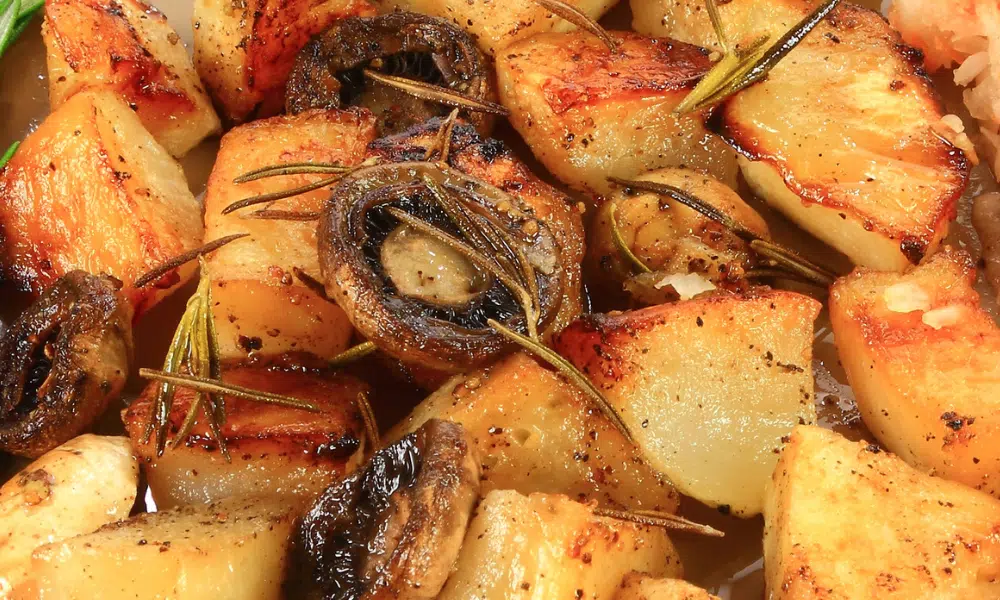
How to Freeze Roasted Turnips
It is easy to justify throwing away any leftover roasted turnip, as trying to heat the leftovers or roast them again makes the turnip dry and tasteless.
However, you can always freeze roasted turnips following the method below:
- Leave To Cool
Don’t start prepping the roasted turnips for freezing until they have cooled to at least room temperature. Preferably even cooler. You can leave the turnips to cool on the same baking tray you used to roast them. - Flash Freeze
Once cooled, place the baking tray directly into the freezer and leave the roasted turnips to freeze for up to 2 hours. - Move To Better Storage
When the roasted turnips have frozen solid, transfer them to an airtight freezer bag for long-term storage. - Squeeze Out The Air
The less air left in the freezer bag, the less likely the turnips will develop freezer burn. Push out all of the air before securely closing the bag. - Freeze
You can freeze roasted turnips for up to 3 months, so long as they don’t start to develop freezer burn.
Re-roast frozen roasted turnips for 10 minutes in a 180 C oven for an even defrosting.
How to Freeze Turnips Successfully
Still unsure if you should freeze your spare turnips? Follow the tips below, and you will have no problem successfully freezing turnips:
- Chop Them Up Evenly – Fresh turnips will freeze best if all the turnip pieces are of equal size. Take a few extra minutes to be precise in your cutting for the best results.
- Set A Timer – It is very easy to over-blanch fresh turnip. Set a time before you start the process to prevent the turnip pieces from cooking completely and turning to mush.
- Don’t Over Flash Freeze – When flash freezing turnips, you must leave them uncovered to allow them to freeze rapidly enough. But do not leave them longer than the recommended time as they will develop freezer burn, turning the turnips an odd texture once cooked.
Do Turnips Freeze Well?
So long as you take the time to properly blanch the fresh turnip or allow cooked turnip to cool, you should have no problem freezing turnips.
Freezing Turnips FAQs
If you still have further questions about freezing turnips and how to do so, then these FAQs might help you out:
Yes, turnip tops or greens can be frozen. Blanch them for a few seconds in boiling water, then drain and cool. Once you have squeezed out the excess liquid, pack them into an ice cube tray to freeze cubes of turnip tops.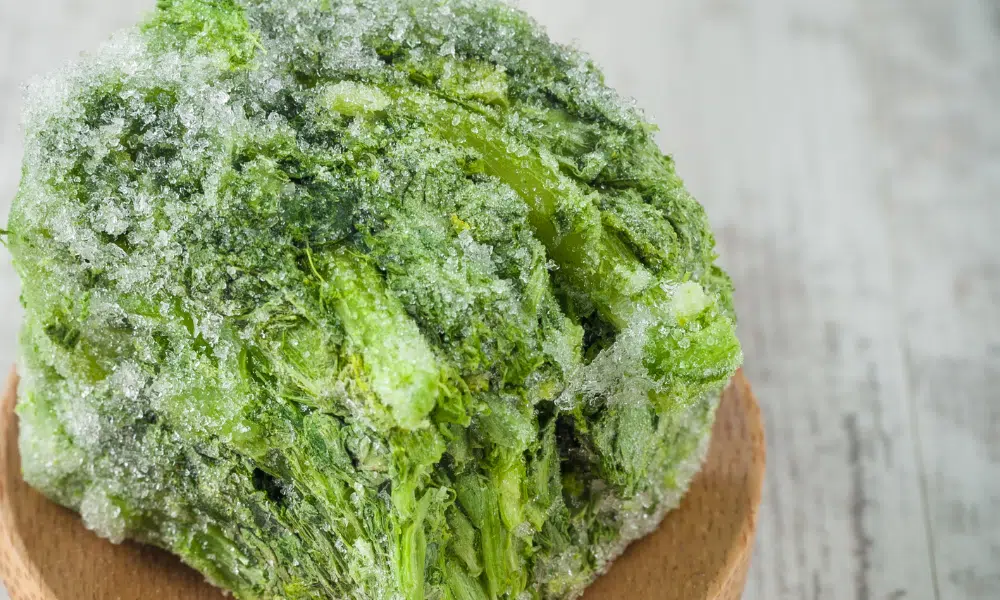
Although blanching turnips isn’t essential, by doing so before freezing them, you’ll lock in more flavour, nutrients and texture meaning they can be frozen for up to 12 months.

Acacia may be a freelance writer by day, but they are a food fanatic by night. They are always trying out new recipes or finding different ways to elevate classical dishes. But their biggest culinary aim is to educate others on the basics of the kitchen so that they too can enjoy delicious food.