
It may not have been as popular in the west a couple of centuries ago, but baklava is a delectable Middle Eastern dessert of dreams. Many western countries now love the sweet, filled pastry treat while also understanding the amount of work that goes into preparing traditional baklava.
Not only is baklava time-consuming to prepare, but some of the ingredients can be pretty costly. You can always try freezing your leftover baklava to save money and time.
To freeze baklava, either flash freeze unbaked baklava before wrapping each layer to store for the long term or freeze wrapped and baked baklava in an airtight freezer-safe container.
How to Freeze Baklava
There are only really 2 main methods to freeze baklava, which change slightly depending on if you have already baked the baklava or not.
Compared to making the baklava, freezing the delicious dessert is very easy no matter which method you follow:
How to Freeze Unbaked Baklava
First, let’s discuss how to freeze raw or unbaked baklava.
This method is best used if you have purposely made baklava to freeze as you can implement any changes you need to make at just the right time in the baklava-making process:
- Construct The Baklava
Of course, first, you must construct the baklava following your favourite recipe. Just don’t forget to line the baking pan you plan to use to make the baklava with parchment paper. - Flash Freeze
When you have completed building your baklava, place it directly into the freezer to flash freeze until the whole baklava has frozen solid. This will take a few hours. - Separate The Layers
The safest way to freeze unbaked baklava is to separate every layer of the baklava and freeze them individually. So, clear off your countertop and pull the frozen baklava out of the freezer. Then get to work carefully separating the layers of the baklava. - Wrap It Up!
Each layer of the baklava should be carefully wrapped in tin foil or plastic wrap to keep it fresh. Make these wrappings as tight as possible without breaking the layers. - Properly Store
Once wrapped, gently place each layer into separate airtight containers or large freezer bags. - Make Them Air Tight
If you are using storage containers, properly seal their sides to make your baklava layers air-tight. For freezer bags, push as much air out of the bag as possible before sealing it shut. - Place In Freezer
Though the baklava layers should still be frozen solid, you will want to put them somewhere in your freezer where they will not break or get damaged. - Freeze
When you are happy with storing your unbaked baklava, write a label on one of the layers with a use-by date of up to 5 months.
When you are ready to eat your baklava, you will need to remove the layers from the freezer and reassemble the layers in a baking pan. Then leave the whole baklava to defrost in your fridge overnight. Bake it as you would regular baklava once fully thawed.
How to Freeze Baked Baklava
Though it sounds impossible considering how tasty baklava is, there will be times when you find yourself with left-over baklava that is on the brink of turning bad.
Instead of letting the baklava and all your hard work go to waste, you can freeze it instead:
- Allow To Cool
If you plan on freezing your baked baklava straight away, allow it to cool to at least room temperature before you prep it for freezing. - Portion Out
Freezing your baked baklava whole is possible, but you will get the best results if you portion out the baklava before freezing. This will allow you to defrost a couple of portions at a time rather than having to defrost more baklava than you are ready to eat. - Wrap Them Up
Cover your baked baklava portions with multiple cling films or tin foil layers, keeping the wrappings as tightly sealed as possible. - Put Into Containers
Take your wrapped baklava portions and place them into freezer bags or airtight containers for long-term storage. - Label And Freeze
Label your baklava with a use-by date before placing them in the freezer. Baked baklava can be kept frozen for up to 5 months without ruining.
All you have to do is defrost baked baklava is leave as many portions as you want in your fridge overnight. Once it is fully thawed, you can either eat it as it is or warm it up in the oven on very low heat for a few minutes.
How to Freeze Baklava Successfully
Freezing both baked and unbaked baklava is a simple enough task when broken down. However, baklava is a delicate dessert, so keep these tips in mind when freezing your baklava:
- Skip The Separation – You can freeze it as one whole construct to save time if you have to. To prevent freezer burn, you will need to wrap the baking pan in multiple layers of tin foil or plastic wrap. Even then, there is a high chance that the baklava will change texture slightly once defrosted, but it is an easier method to use.
- Do Not Refreeze – Baklava is already one of the more delicate desserts you could freeze. Once you have defrosted either a baked or unbaked baklava, do not try refreezing it. This could completely ruin its texture and flavour.
- Keep It Fresh – After you have defrosted your baklava, it can be kept either in your fridge or on your counter for up to 2 weeks. That is provided you have followed the methods above closely.
Does Baklava Freeze Well?
Unbaked baklava is the best kind of baklava to freeze. If you allow enough time for the baklava to defrost before baking, your dinner guests will never know you are serving a dessert prepared months ago.
Baked baklava also freezes very well, but there is a higher chance of the pastry layers taking on an odd texture if not frozen correctly.
Freezing Baklava FAQs
If you still have questions about how to go about freezing baklava successfully then these FAQs might help you out:
We recommend not freezing kunefe. You will find that the cheese filling does not freeze well. It will become grainy and lose its velvety smooth texture. 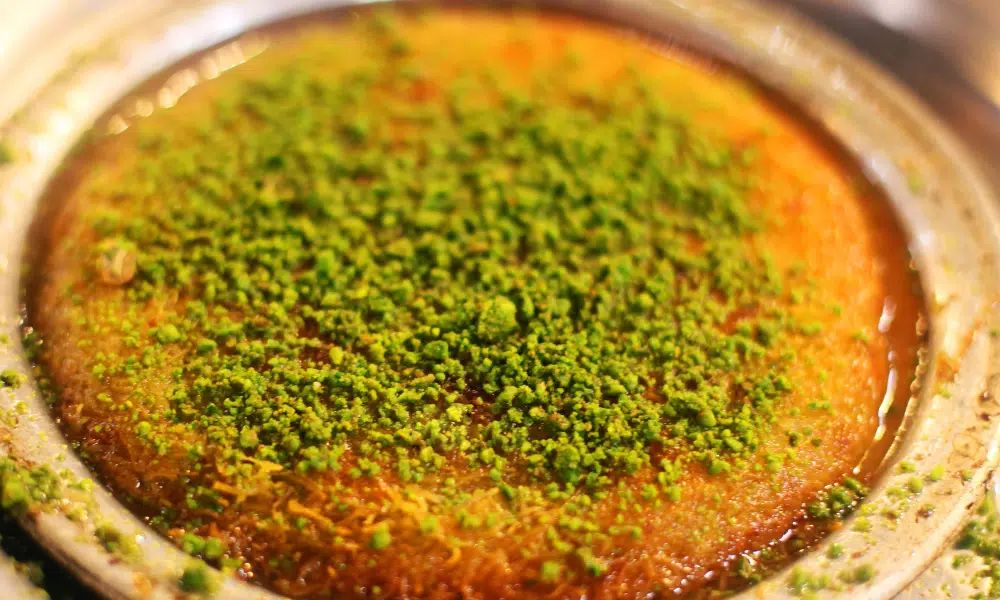
Yes, you can freeze kataifi either baked or unbaked. The best approach is to wrap each portion in cling film before popping it into an airtight container and then into the freezer. 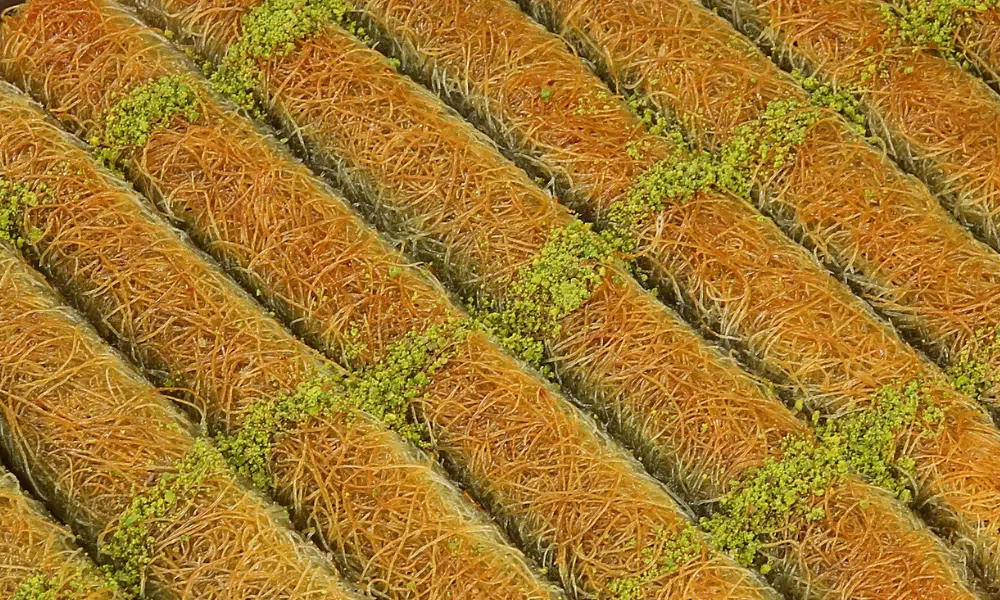

Acacia may be a freelance writer by day, but they are a food fanatic by night. They are always trying out new recipes or finding different ways to elevate classical dishes. But their biggest culinary aim is to educate others on the basics of the kitchen so that they too can enjoy delicious food.