

If your smile looks duller than it used to, it’s probably not one dramatic food — it’s a handful of everyday favorites doing quiet damage over time.
Below I’ve grouped 36 common foods and drinks that stain teeth, with an honest, approximate nutrition note for each and practical tips for keeping the stains from sticking around. Nutrition figures are general estimates per typical serving and will vary by brand and preparation.
Key Takeaways
- Dark, tannin-rich drinks like coffee, tea, and red wine are the most common causes of stained teeth.
- Acidic foods such as citrus and vinegar don't always stain directly, but they soften enamel and make stains from other foods worse.
- Rinsing with water right after eating or drinking protects teeth better than brushing immediately, which can scrub softened enamel.
- Most food-based stains sit on the surface and respond well to regular brushing, whitening toothpaste, or a dental cleaning.
- Nutrition figures throughout are approximate per typical serving and vary by brand and preparation.
How to Protect Your Teeth From Staining
A few habits go a long way before you ever think about whitening.
- Rinse with plain water right after coffee, tea, wine, or dark soda
- Sip acidic or pigmented drinks through a straw when possible
- Wait 30 to 60 minutes before brushing after acidic foods so you don't scrub softened enamel
- Eat crunchy foods like apples or celery to help wipe away surface pigment
- Use a whitening or tartar-control toothpaste a few times a week
- Keep up routine dental cleanings to remove buildup regular brushing misses
Dark Beverages That Stain Teeth
Dark, tannin-rich drinks are the biggest everyday culprits behind stained teeth, since tannins bind to the proteins in enamel’s outer layer, called the pellicle.
I’ve noticed my own teeth pick up color fastest on days I go heavy on coffee and wine without water in between, and leaning on alkaline foods afterward seems to help take the edge off.
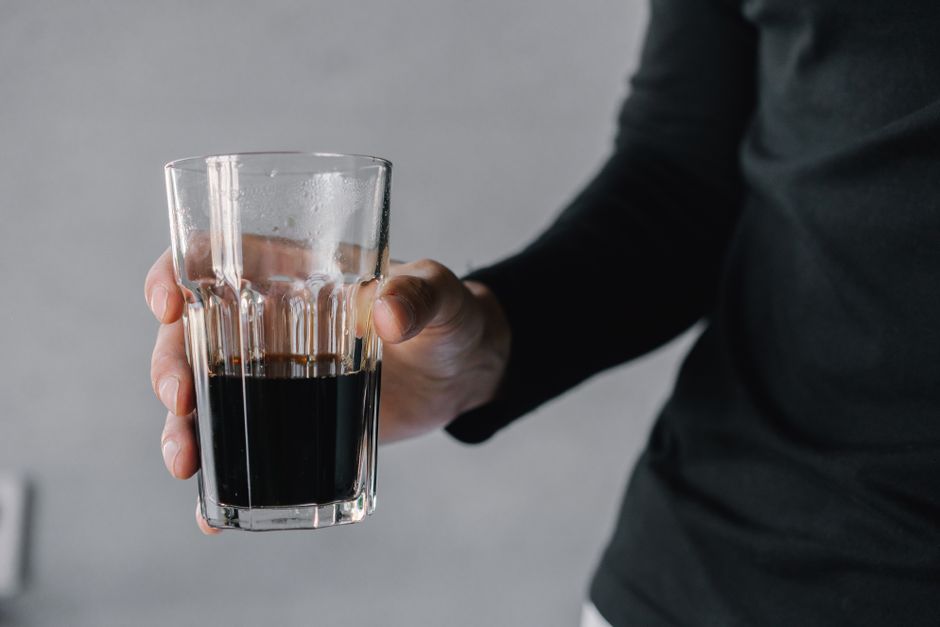
1. Coffee
Approximate nutrition: about 95 mg caffeine and 0 g sugar per 8 oz cup of black coffee.
Coffee’s roasted, tannin-heavy pigments cling to microscopic ridges in enamel, which is why daily drinkers often notice a yellow-brown tint building up over months.
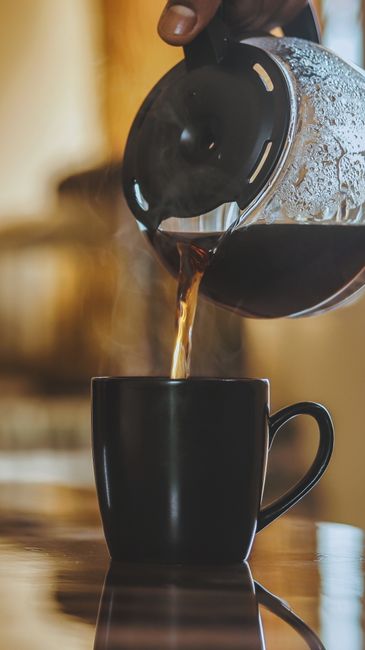
2. Black Tea
Approximate nutrition: roughly 47 mg caffeine and 0 g sugar per 8 oz cup, unsweetened.
Tea actually contains more staining tannins than coffee ounce for ounce, so I always chase a hot cup with a glass of water when I can.
3. Red Wine
Approximate nutrition: about 125 calories and 0 g sugar per 5 oz glass, mostly from alcohol.
Red wine combines tannins with a low pH, which softens enamel just enough for pigment to sink in deeper than a rinse can fix.
4. Cola
Approximate nutrition: around 39 g sugar per 12 oz can, with a pH near 2.5.
Dark caramel coloring plus that acidity is a rough combo, and I try to drink cola through a straw to keep it off my front teeth.
5. Dark Beer
Approximate nutrition: about 150 calories per 12 oz serving, varying by style.
Roasted malts give stouts and porters their color, and that pigment transfers to enamel much like coffee does.
6. Hot Chocolate
Approximate nutrition: about 25 g sugar per 8 oz cup made with milk.
Cocoa solids carry tannins too, so a cozy mug on a cold night is still worth rinsing with water afterward.
Berries and Dark Fruits
Deeply pigmented fruits owe their color to anthocyanins, plant compounds that stain more than just your fingers when you snack on them.
None of these are foods to cut out, since they’re loaded with fiber and antioxidants, but a quick water rinse afterward makes a real difference.

7. Blueberries
Approximate nutrition: about 4 g fiber and 15 g sugar per 1 cup, raw.
Their skins hold concentrated anthocyanin pigment, so a handful eaten slowly can leave a faint blue-gray film on teeth.
8. Blackberries
Approximate nutrition: about 8 g fiber and 7 g sugar per 1 cup, raw.
Blackberries stain almost instantly because the pigment sits in the juicy flesh, not just the skin.
9. Pomegranate
Approximate nutrition: about 24 g sugar and notable polyphenol content per 1 cup of arils.
Pomegranate juice is famous for staining fabric, and it does the same thing to enamel, so I swish water right after eating the seeds.

10. Cherries
Approximate nutrition: about 18 g sugar per 1 cup, raw and pitted.
Dark sweet cherries leave behind a deep red tint, especially in season when you’re eating them straight off the stem.
11. Grapes
Approximate nutrition: about 23 g sugar per 1 cup, raw.
Red and purple grapes carry the same pigment family as red wine, just in a less concentrated, whole-fruit form.
12. Raisins
Approximate nutrition: about 1 g fiber and 29 g sugar per small 1.5 oz box.
Drying grapes concentrates both the sugar and the pigment, and the sticky texture means raisins cling to enamel longer than fresh grapes do.
Juices and Sports Drinks
Bottled and boxed drinks often combine sugar, acid, and added color, a tougher combination for enamel than whole fruit offers.
If you’re trying to cut back, a low carb foods list can help you find lower-sugar swaps that are also gentler on teeth.
13. Grape Juice
Approximate nutrition: about 36 g sugar per 8 oz cup, unsweetened.
Without the fiber and skin of whole grapes, pigment in juice sits directly against enamel with nothing to slow it down.
14. Cranberry Juice
Approximate nutrition: about 31 g sugar per 8 oz of cranberry juice cocktail.
Cranberry juice is both acidic and deeply red, a combination that shows up fast on light-colored teeth.
15. Sports Drinks
Approximate nutrition: about 21 g sugar and added citric acid per 12 oz bottle.
Bright blue and red sports drinks add dye on top of acid, which is why athletes sipping them all practice sometimes notice more staining than soda drinkers.
16. Fruit Punch
Approximate nutrition: about 29 g sugar per 8 oz serving.
Most fruit punch gets its color from added red dye rather than real fruit, and synthetic dyes are notoriously good at staining enamel.
Sauces and Condiments
Savory sauces don’t get blamed as often as coffee or wine, but the ones with deep color and acidity are just as capable of dulling a smile.
These are everyday staples, so the fix is usually timing, not avoidance.
17. Soy Sauce
Approximate nutrition: about 900 mg sodium and under 1 g sugar per tablespoon.
Soy sauce’s dark, fermented pigment is concentrated enough that a splash on rice can leave a visible tint if it sits on teeth all afternoon.

18. Balsamic Vinegar
Approximate nutrition: about 1 g sugar and a low pH per tablespoon.
Balsamic is both acidic and deeply colored, so I try to eat balsamic-dressed salads earlier in a meal rather than as the last bite.
19. Tomato Sauce
Approximate nutrition: about 6 g sugar per 1/2 cup, and notably acidic.
Tomato sauce’s red pigment combines with acidity from the tomatoes themselves, which is why pasta night can leave a faint reddish cast on teeth by dessert.
20. Curry Sauce
Approximate nutrition: varies widely by recipe, but most curries lean on turmeric for color.
Curcumin, the pigment in turmeric, is one of the most stubborn natural dyes around, on countertops and on enamel alike.
21. Ketchup
Approximate nutrition: about 4 g sugar per tablespoon.
Ketchup is sweet, acidic, and bright red all at once, a trifecta worth a water rinse after fries.
Spices and Seasonings
A handful of spices carry pigments so strong they stain wooden spoons and plastic containers, so it’s no surprise they can tint teeth too.
The good news is that most of these are eaten in small amounts, which limits how much contact time enamel actually gets.
22. Turmeric
Approximate nutrition: about 2 g carbohydrate per teaspoon, ground.
Turmeric’s curcumin is famous for staining everything from countertops to teeth, and it’s also studied for its anti-inflammatory properties if you want to read more about foods that reduce inflammation.
23. Paprika
Approximate nutrition: about 1 g carbohydrate per teaspoon, ground.
Paprika’s carotenoid pigments are milder than turmeric’s, but a heavy-handed sprinkle on deviled eggs or roasted potatoes can still leave a faint orange tint.
24. Curry Powder
Approximate nutrition: about 1 g carbohydrate per teaspoon.
Curry powder blends usually lead with turmeric, so its staining potential follows the same pattern as a straight curry sauce.
Pigmented Vegetables
Vegetables rarely get flagged as tooth stainers, but a few with intense natural pigment can leave a temporary tint after a big serving.
These are nutrient-dense foods worth keeping in your diet regardless, especially if you’re tracking foods high in magnesium and potassium for overall bone and enamel support.
25. Beets
Approximate nutrition: about 9 g sugar per 1 cup, cooked.
Beet juice is so pigmented it’s used as a natural fabric dye, and a big serving of roasted beets can leave a pink tint on teeth for an hour or two.
26. Red Cabbage
Approximate nutrition: about 3 g sugar per 1 cup, raw and shredded.
Red cabbage’s purple anthocyanins are pH-sensitive, which is why it can leave a subtle bluish or reddish cast depending on what else you ate with it.
27. Sweet Potatoes
Approximate nutrition: about 7 g sugar per 1 cup, baked.
The beta-carotene that gives sweet potatoes their orange color is a milder stainer, but it can still leave a faint tint after a large serving.
Candy and Sweets
Sugary treats with added dye are an easy source of temporary staining, especially when you linger over hard candy for a while.
If you’re trying to trim added sugar generally, a low glycemic foods list can point you toward gentler snack swaps.
28. Dark Chocolate
Approximate nutrition: about 24 g sugar per 1 oz, varying with cacao percentage.
Dark chocolate has tannins similar to coffee and tea, so a square after dinner is worth a water chaser.
29. Popsicles
Approximate nutrition: roughly 10 to 15 g sugar per bar, plus artificial dye in most brands.
Bright blue and red popsicles are some of the most obvious temporary stainers, since the dye sits directly on teeth for as long as the popsicle lasts.
30. Hard Candy
Approximate nutrition: about 15 g sugar per serving, varying by brand.
Because hard candy dissolves slowly, dyed varieties keep pigment in contact with enamel far longer than a quick bite of food would.
31. Molasses
Approximate nutrition: about 15 g sugar per tablespoon.
Molasses is thick, dark, and sticky, a combination that lets its pigment cling to enamel in the grooves of back teeth.
Acidic Foods That Weaken Tooth Enamel
These foods aren’t always deeply colored, but their acidity softens enamel and makes it easier for pigment from other foods to take hold.
Enamel softened by acid stays more porous for roughly 30 to 60 minutes afterward, a detail that trips a lot of people up.
32. Lemons
Approximate nutrition: about 1 g sugar per fruit, with a pH around 2.3.
Lemon juice on its own doesn’t carry strong pigment, but its acidity is high enough that I never brush right after squeezing it over food.
33. Oranges
Approximate nutrition: about 12 g sugar and 70 mg vitamin C per medium fruit.
Oranges are less acidic than lemons but still soften enamel enough that pairing them with dark coffee is rougher than either alone, and the vitamin C also supports foods that boost collagen production for healthy gums.

34. Pickles
Approximate nutrition: about 1 g sugar per spear, brined in vinegar.
Pickles carry vinegar’s acidity without much pigment, so the main risk is enamel softening rather than direct staining.
35. Apple Cider Vinegar
Approximate nutrition: roughly 0 calories and about 5 percent acetic acid per tablespoon.
Straight vinegar shots or vinegar-heavy dressings are acidic enough that I always dilute them or follow with a glass of water to give enamel time to recover.
36. Grapefruit
Approximate nutrition: about 11 g sugar per half fruit.
Grapefruit’s acidity is close to lemon’s, and its juice can leave enamel more vulnerable to staining from whatever you eat or drink right after.
The Bottom Line
Most tooth staining comes down to a short list of repeat offenders: coffee, tea, red wine, dark soda, berries, and pigmented sauces like soy sauce and curry.
Acidic foods such as citrus and vinegar add to the problem by softening enamel, even when they aren’t deeply colored themselves.
You don’t need to cut these foods out. A water rinse after eating, a straw for drinks, and regular dental cleanings handle most everyday staining just fine.
Frequently Asked Questions
Does brushing right after coffee or wine help?
Not right away. Brushing within 30 minutes of something acidic can scrub enamel while it’s temporarily softened, so rinse with water first and brush later.
Can stained teeth be reversed?
Surface stains from food and drink usually respond well to regular brushing, whitening toothpaste, or a professional cleaning, though deeper intrinsic stains may need dentist-applied whitening.
Do straws actually reduce staining?
Yes, for cold pigmented drinks like iced tea, soda, or juice, a straw routes liquid past the front teeth and can meaningfully cut down visible contact.
Which foods stain teeth the fastest?
In my experience, red wine, coffee, and dark berries show up the quickest, especially without water in between servings.
Are enamel-softening foods worse than staining foods?
They’re a different problem. Acidic foods like citrus and vinegar don’t always add color, but softened enamel is more porous and holds onto stains from other foods more easily.