

A good burger should be juicy, well-seasoned, and hold together in your hands — not crumble apart or taste like a dry hockey puck.
The most common burger mistakes are using meat that's too lean, overworking the ground beef, skipping the center dimple, pressing down with the spatula, and pulling the burger off the heat without resting it — each one dries out the patty or wrecks its texture.
Most disappointing burgers come down to a handful of repeatable mistakes in the meat, the seasoning, or the cooking method, and every one of them has an easy fix once you know what to look for.
Key Takeaways
- Fat is flavor: meat that's too lean (over 90/10) is the single biggest cause of a dry burger.
- Overworking the meat and salting it too far ahead both make patties dense and springy instead of tender.
- A center dimple, one flip, and no spatula pressing keep patties flat, juicy, and evenly cooked.
- Cheese, buns, and resting time all have a right moment — add or do them too early or late and the burger suffers.
- Cooking ground beef to a safe internal temperature matters more than judging doneness by color alone.
Quick Fixes for Common Burger Problems
If your burger already went wrong, match the symptom below to the fastest fix before you build the next batch.
| Symptom | Likely Fix |
|---|---|
| Switch to 80/20 ground beef and avoid overcooking past a safe internal temperature | Switch to 80/20 ground beef and stop cooking past medium |
| Patty puffed into a dome | Press a thumbprint dimple in the center before cooking |
| Burger falls apart on the grill | Handle the meat less and skip extra mix-ins in beef patties |
| Tastes bland even after seasoning | Season right before cooking, not while mixing the raw meat |
| Cheese never melts or slides off | Add cheese in the last 1-2 minutes and cover briefly |
| Bun turns soggy fast | Toast the cut sides before building the burger |
Meat and Patty Prep Mistakes
These mistakes happen before the burger ever touches heat, and they’re the hardest to undo once the patty is on the grill.
1. Using Meat That's Too Lean
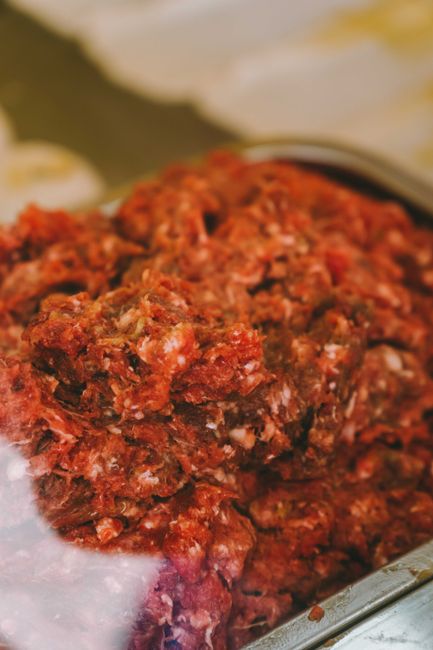
Fat is where the flavor and moisture live. Ground beef labeled 90/10 or 93/7 sounds healthier, but it turns dry and crumbly fast once it hits heat.
Stick with 80/20 ground chuck for burgers — the extra fat renders out and bastes the patty as it cooks.
2. Overworking the Ground Beef
Kneading, squeezing, or repeatedly packing the meat activates its proteins the same way overmixing does in meatloaf.
The result is a dense, springy patty instead of a tender one. Handle the meat only enough to form a loose ball, then flatten it gently.
3. Making Patties Too Thick or Uneven
A lumpy, uneven patty cooks unevenly too — the thin edges dry out while the thick center stays raw.
Weigh out even portions (about 6 ounces) and flatten each one to roughly 3/4 inch thick. Since patties shrink as they cook, make them slightly wider than the bun.
4. Skipping the Center Dimple
Burgers puff into a dome shape because the outer edges cook and contract faster than the center.
Press a shallow thumbprint, about 1/2 inch deep, into the middle of each raw patty. It cooks up flat instead of ball-shaped.
5. Salting the Meat Too Early
Mixing salt into raw ground beef well ahead of cooking pulls out moisture and dissolves proteins, the same effect used to make sausage bouncy.
For a burger, that texture is a downside. Salt the outside of the formed patties right before they go on the heat, not while you’re still mixing the meat.
| Fat Ratio | Fat Content | Best For |
|---|---|---|
| 70/30 | 30% fat | Very rich patties, more flare-ups on a grill |
| 80/20 | 20% fat | Classic juicy burgers, the default choice |
| 85/15 | 15% fat | Slightly leaner, still holds moisture well |
| 90/10 | 10% fat | Leaner burgers that dry out easily if overcooked |
Seasoning and Mix-In Mistakes
What goes into the patty — and when — matters almost as much as the meat itself.
6. Adding Too Many Mix-Ins
Diced onion, breadcrumbs, egg, and Worcestershire all at once turns a beef patty into meatloaf, and it won’t hold together on the grill.
For a classic beef burger, keep it simple: salt, pepper, and maybe garlic or onion powder mixed in lightly right before cooking.
7. Under-Seasoning the Patty
Salting only the outside after cooking leaves the inside bland. Season generously on both sides just before the patty hits the heat, roughly 3/4 teaspoon of salt per pound of meat.
If a burger still tastes flat after that, the fix usually isn’t more salt — it’s the toppings. Try one of these sauces for hamburgers instead of oversalting the meat.
8. Skipping a Binder When You Need One
This is the flip side of mistake 6. Lean meats like ground turkey or plant-based blends don’t have enough fat to hold themselves together, and they crumble apart without help.
Add a small egg or a spoon of breadcrumbs to lean patties so they hold their shape on the grill. Pair the milder flavor with one of these sides for turkey burgers to round out the plate.
Cooking Mistakes
Even a perfect patty can go wrong once it hits the pan or grill.
9. Not Preheating the Grill or Skillet
A cold cooking surface makes the patty stick and steam instead of sear, so it never develops a real crust.
Preheat a grill for 10-15 minutes, or heat a skillet until it’s faintly smoking, before the meat goes on.

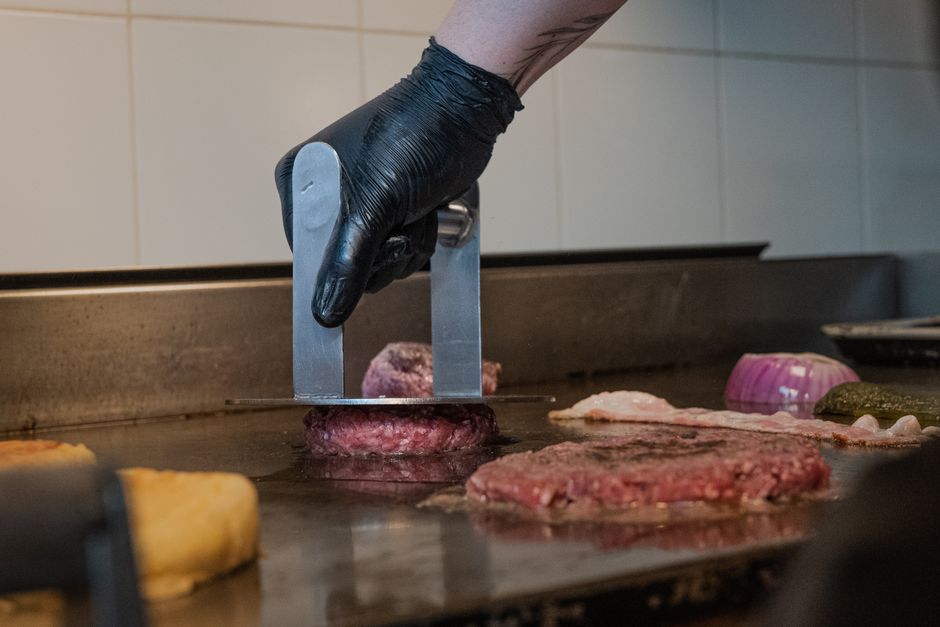
10. Pressing Down With the Spatula
Pressing a burger squeezes out the juices you worked to keep inside, and on a grill it also causes flare-ups from dripping fat.
Let the patty sit undisturbed so a crust forms, and never flatten it with the spatula.
11. Flipping the Burger Too Many Times
Flipping repeatedly interrupts crust formation and can leave the center undercooked while the outside overcooks.
Flip once, about halfway through the total cook time, and leave it alone the rest of the way.
12. Cooking Over Heat That's Too Low
Low heat gives you a gray, steamed burger with no browned crust, and it takes longer to reach a safe temperature, which dries out the meat.
Cook over medium-high to high heat so the outside sears while the inside stays juicy.
13. Adding Cheese at the Wrong Time
Cheese added too early can burn or slide off before it melts fully; added too late, it never melts at all.
Add the slice during the last 1-2 minutes of cooking and cover the pan or close the grill lid briefly to help it melt evenly.


Bun and Serving Mistakes
The last two mistakes happen after the patty is already cooked, and they can undo all your good work.
14. Using a Cold, Untoasted Bun
A cold, untoasted bun turns soggy within minutes of meeting a warm patty and its juices, and it tends to fall apart in your hands.
Toast the cut sides on the grill or in a dry skillet for 30-60 seconds until golden. If you’re dealing with leftovers instead, reheat the burger and bun separately for the same crisp effect.

15. Not Resting the Burger Before Serving
Cutting into or serving a burger the second it comes off the heat lets the juices run straight out, leaving a drier bite.
Rest it loosely tented for 2-3 minutes, the same way you’d rest a steak, before building the sandwich.

Storing and Reheating Leftover Burgers
If you end up with extra cooked patties, wrap them individually and refrigerate within two hours of cooking.
Reheating gently is what keeps leftovers from turning dry and rubbery. See how to reheat burgers for the best method to bring a cooked patty back to juicy without overcooking it further.
The Bottom Line
Most burger problems trace back to just a few habits: meat that’s too lean, overworking the mix, skipping the dimple, and pressing or flipping too much on the heat.
Fix those, season right before cooking instead of while mixing, and let the patty rest for a few minutes before serving.
Get those basics right and the rest — toppings, sauces, bun choice — is just personal preference.
Frequently Asked Questions
What is the most common burger mistake?
Using ground beef that’s too lean is the single biggest cause of a dry, bland burger. Stick with 80/20 ground chuck for the best balance of flavor and moisture.
Should you season burger meat before or after forming patties?
Season the outside of the formed patties right before cooking. Mixing salt into raw ground beef well ahead of time draws out moisture and makes the texture springy and dense.
Why do my burgers fall apart on the grill?
This usually happens from overworking the meat, adding too many wet mix-ins to a beef patty, or using a very lean blend without a binder. Handle the meat minimally and add a binder like egg only to lean or plant-based patties.
What temperature should burgers be cooked to?
The USDA recommends cooking ground beef patties to a minimum internal temperature of 160°F, checked with an instant-read thermometer, since ground meat can carry bacteria throughout rather than just on the surface.
How long should a burger rest before serving?
Let a cooked burger rest, loosely tented, for 2-3 minutes before serving. This gives the juices time to redistribute instead of running out the moment you cut or bite into it.