Key Takeaways
- Sushi rice isn't a special species — it's short-grain white rice that's been seasoned with rice vinegar, sugar, and salt.
- Brown rice keeps its bran and germ layer, giving it more fiber and a chewier, nuttier bite than sushi rice.
- Brown rice is technically stickier in raw starch content but its bran layer blocks the surface starch that makes rolls hold together.
- You can make sushi with brown rice, but rolls need extra care (and usually extra vinegar) to keep from falling apart.
- For classic maki and nigiri, traditional short-grain white sushi rice is still the more forgiving, more authentic choice.
What Is Brown Rice, Really?
I get this question a lot from readers who assume sushi rice is some rare specialty grain. It’s not — and once you know what actually separates it from brown rice, choosing between them gets a lot easier.
The short answer is that brown rice and sushi rice differ mainly in processing and flavor, not in some exotic origin story.
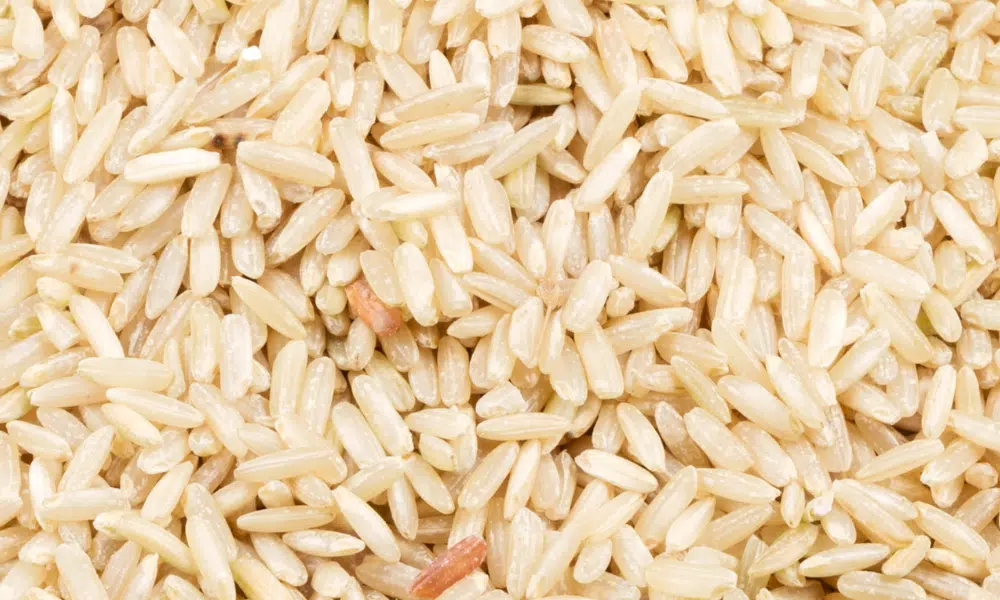
Brown rice is simply rice that still has its bran and germ layer intact. Millers only remove the outer hull, which is why the grain keeps its tan color.
That bran layer is where most of the fiber, magnesium, and B vitamins live, according to USDA MyPlate’s grains guidance.
In my kitchen, brown rice takes about 40 to 45 minutes to cook fully tender, almost double the time of white rice.
Even fully cooked, it stays a little chewy and separates more than it clumps. That’s the bran physically getting in the way of the grains sticking to each other.
Brown rice comes in short, medium, and long-grain versions, and I’ve found the short-grain type is the closest you’ll get to a brown, whole-grain stand-in for sushi rice.
What Is Sushi Rice, Really?
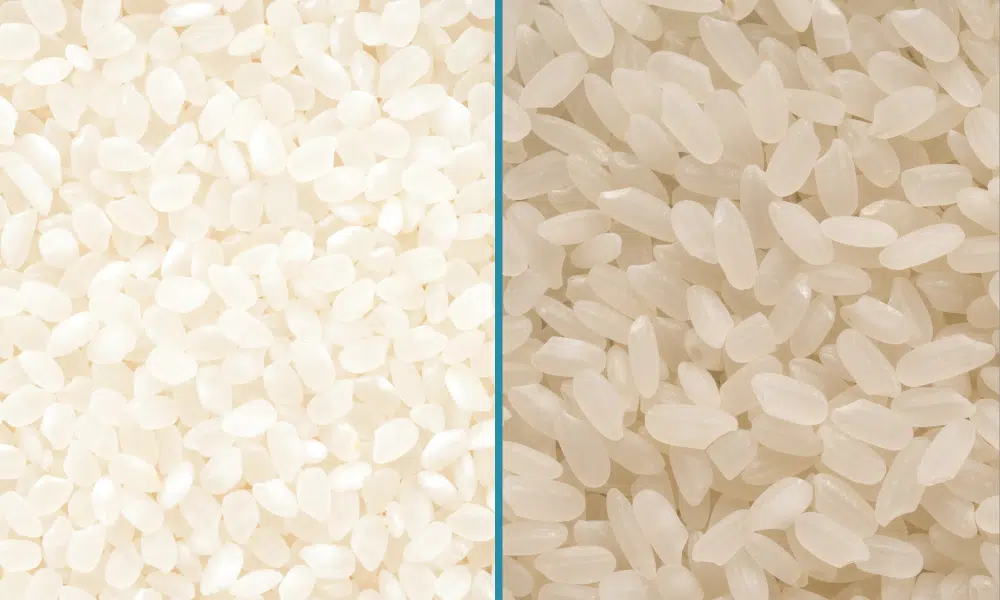
Here’s the part that trips people up: ‘sushi rice’ isn’t a variety of rice at all. It’s a short-grain or medium-grain japonica white rice, seasoned after cooking.
The grain itself is prized for one thing — a high ratio of amylopectin starch, which makes it clingy and glossy once cooked.
In the US, the most common sushi-grade grain sold in grocery stores is Calrose, and I’ve written a full breakdown of sushi rice vs calrose rice if you want to go deeper on that overlap.
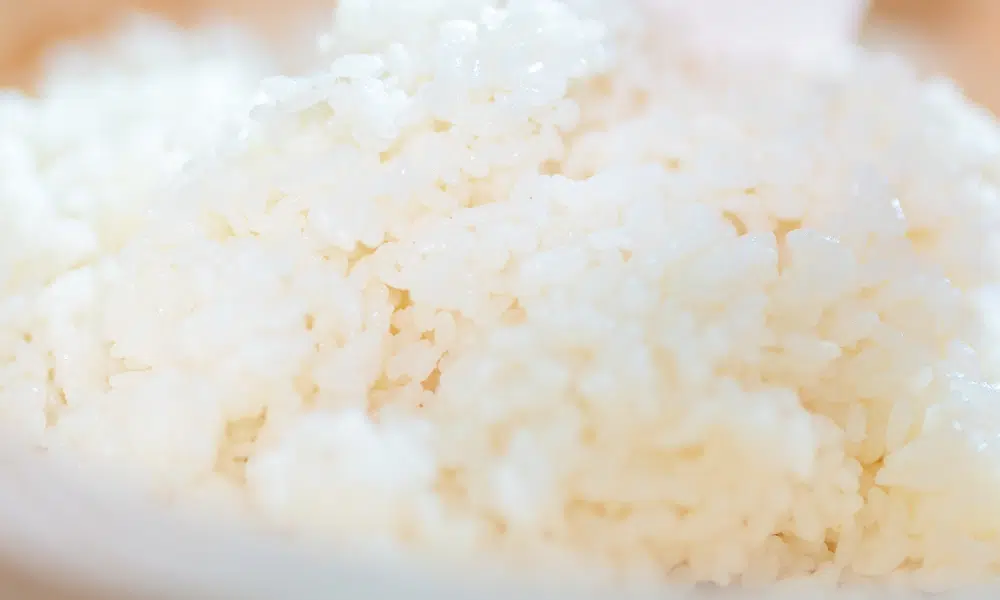
Once the rice is steamed, it’s tossed with a mix of rice vinegar, sugar, and salt while still hot. This seasoned rice is technically called shari or sumeshi in Japanese kitchens.
That vinegar-sugar-salt blend is what gives sushi rice its signature tang and faint sweetness — not the raw grain itself.
I usually use about 3 tablespoons of rice vinegar, 2 tablespoons of sugar, and 1 teaspoon of salt per 2 cups of raw rice, then fold it in with a wooden paddle so I don’t crush the grains.
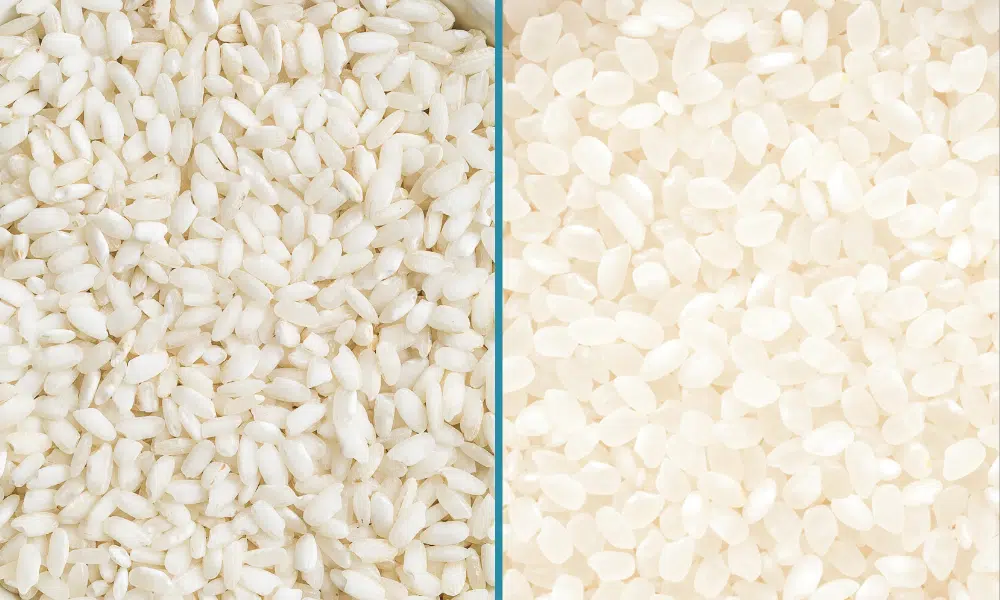
People sometimes confuse sushi rice’s texture with risotto rice because both are short-grain and starchy, but they behave very differently once cooked; I cover that comparison in arborio rice vs sushi rice.

Brown Rice vs Sushi Rice: Key Differences at a Glance
Once you line the two up side by side, the differences are pretty stark — not just in taste, but in how each behaves in a recipe.
The table below is what I actually reference when I’m deciding which bag to grab off the shelf.
| Feature | Brown Rice | Sushi Rice (seasoned) |
|---|---|---|
| Bran/germ intact | Yes | No, polished white rice |
| Typical grain length | Short, medium, or long | Short or medium (japonica) |
| Cook time | 40-45 minutes | 15-20 minutes |
| Texture cooked | Chewy, separate grains | Soft, clingy, glossy |
| Flavor | Earthy, nutty | Tangy-sweet from seasoning |
| Fiber content | Higher | Lower |
| Best use | Bowls, sides, poke | Maki, nigiri, temaki |
Can You Use Brown Rice for Sushi?
Yes, you can make sushi with brown rice — but it takes more patience and a heavier hand with the seasoning.
Some health-focused sushi restaurants now offer brown rice rolls, and I’ve made them plenty of times at home too.
The challenge is stickiness. Because the bran coating blocks some of the surface starch from gelatinizing, brown rice grains don’t fuse together the way polished sushi rice does.
My workaround is to slightly overcook the brown rice by a few minutes and use a bit more seasoned vinegar than a standard recipe calls for.
Even then, expect the rolls to be looser and more likely to fall apart when you slice them — I always use a very sharp, wet knife to help.
If you’re shaping rice by hand instead of rolling it, brown rice actually holds together reasonably well, which is part of why it works nicely for onigiri-style rice balls; I go into that shaping difference in onigiri vs musubi.
One more thing I’ve learned the hard way: don’t skip letting the rice cool to room temperature before shaping. Warm brown rice is even more fragile than warm sushi rice.
Nutrition Comparison: Brown Rice vs Sushi Rice
Nutritionally, these two aren’t playing the same game, and it’s worth understanding why before you assume one is simply the ‘healthy’ choice.
Because brown rice keeps its bran and germ, it delivers more dietary fiber, magnesium, and B vitamins than the polished white rice used for sushi, per Harvard T.H. Chan School of Public Health’s guidance on whole grains.
Fiber matters for digestion and steady blood sugar, and MedlinePlus’s page on dietary fiber notes most US adults fall short of recommended daily amounts.
Sushi rice, being polished white rice, loses much of that bran-based fiber during milling.
It also picks up added sugar and salt from the vinegar seasoning, which nudges up the calorie count of a roll slightly, though it’s still a modest amount per serving.
One important warning to understand: brown rice, along with other rice varieties, can contain small amounts of inorganic arsenic that accumulate in the bran layer during growth.
The FDA’s guidance on arsenic in food recommends eating a variety of grains rather than relying on rice alone, and this applies especially to infants, young children, and pregnant women, who should talk to a healthcare provider about how much rice is appropriate in their diet.
Rinsing rice thoroughly before cooking and cooking it in excess water that’s then drained can help reduce arsenic levels somewhat, but this doesn’t eliminate the concern entirely.
Which Should You Use — Brown Rice or Sushi Rice?
Honestly, this comes down to what you’re making, not which rice is objectively ‘better.’
For classic maki, nigiri, or temaki, I always reach for traditional short-grain white sushi rice. It’s simply more forgiving and holds a roll together the way it’s meant to.
For sushi bowls, poke-style dishes, or anything you’re eating with a fork instead of rolling by hand, brown rice is a genuinely great swap.

If you’re building a rice bowl and want a drizzle on top, it’s worth knowing your sauces too — I break down the difference in eel sauce vs oyster sauce, since people often mix the two up.
And if raw fish dishes are on your radar generally, it’s worth understanding how sushi differs from other raw preparations like in ceviche vs sushi, since the rice isn’t the only variable at play.
My rule of thumb after years of testing both: use sushi rice when texture and tradition matter, and use brown rice when nutrition and a heartier bite matter more.
Common Mistakes When Cooking Either Rice
Most sushi and brown rice disasters I’ve seen (and caused) trace back to a handful of repeat mistakes.
Over-rinsing or under-rinsing sushi rice. Rinse until the water runs mostly clear, not perfectly clear. Scrub away too much surface starch and the grains won’t cling together properly once seasoned.
eeGuessing the water ratio. For sushi rice, I use roughly 1 cup water to 1 cup rice (sometimes just a touch more).
For brown rice, I go closer to 1.75 cups water per cup of rice, since the bran slows water absorption.
eeSeasoning rice at the wrong temperature. If the rice is too hot when you add vinegar, it turns gummy; if it’s cooled too much, the seasoning won’t absorb evenly.
Aim to mix it in within a minute or two of the rice coming off the heat.
eeStirring instead of folding. A spoon crushes grains and releases extra starch, which makes rice gluey.
A wooden paddle used in a slicing, folding motion keeps the grains intact.
eeSkipping the rest. Both rices benefit from sitting covered, off heat, for 10 minutes after cooking.
It lets the steam finish the job evenly instead of leaving a wet bottom layer and a dry top layer.
eeNot fanning sushi rice while it cools. That extra step isn’t just tradition — it evaporates surface moisture quickly, which is part of what gives sushi rice its glossy sheen instead of a dull, wet look.
Storing, Reheating, and Repurposing Leftover Rice
Rice is one of those foods where storage habits actually matter for safety, not just texture.
Cooked rice can harbor Bacillus cereus spores that survive cooking and multiply at room temperature, so I always get rice into the fridge within two hours of cooking, and sooner if my kitchen is warm.
Both brown rice and sushi rice keep in an airtight container in the fridge for about 3 to 4 days. I like to spread rice out on a sheet pan for a few minutes before storing so it cools faster and doesn’t turn mushy from trapped steam.
Sushi rice specifically doesn’t reheat as gracefully as brown rice. Once it’s chilled, the starches firm up and the glossy texture fades, so I try to use it the same day it’s made whenever I’m rolling sushi.
If you do need to reheat sushi rice, cover it with a damp paper towel and microwave in short bursts, checking often so it doesn’t dry out or turn gummy.
Both rices freeze well for up to a month. I portion them into flat freezer bags, and thaw in the fridge overnight or reheat straight from frozen with a splash of water in a covered pan.
Leftover brown rice is honestly my favorite thing to turn into fried rice the next day — the drier, separate grains crisp up in a hot pan without turning gummy. Leftover sushi rice works well cold in a rice bowl, or pan-fried into little crispy rice cakes topped with spicy mayo, which is a great way to use up odds and ends from a sushi night.
Rice Variations Worth Trying
Once you’ve got the basics of brown rice and sushi rice down, there are a few in-between options worth knowing about.
Genmai sushi rice is short-grain brown rice specifically marketed for sushi use. It’s bred and milled to be a bit less coarse than standard brown rice, so it holds together slightly better in rolls.
Haiga rice is partially milled — the bran is removed but the nutrient-rich germ stays intact. It cooks faster than brown rice and has a softer bite, making it a nice middle ground if straight brown rice feels too chewy for sushi.
Black or purple rice (sometimes called forbidden rice) brings a dramatic color and extra antioxidants to a roll, but it shares brown rice’s stickiness problem, so it’s better suited to bowls than tightly rolled maki.
Blending the two is my personal trick when I want some fiber without giving up hold. I cook brown rice and white sushi rice separately, then mix them roughly half-and-half after seasoning.
You get a lighter, slightly nutty roll that still stays together reasonably well.
Sprouted brown rice is worth a mention too — the sprouting process breaks down some of the bran’s toughness, so it cooks a little faster and has a gentler texture than standard brown rice, though it still won’t match sushi rice’s cling.
Frequently Asked Questions
Can you make sushi rice with brown rice?
Yes, though the texture is looser and rolls are more prone to falling apart since the bran layer limits how sticky the grains get.
Is brown rice healthier than sushi rice?
Brown rice generally has more fiber, magnesium, and B vitamins because it keeps its bran and germ, while sushi rice is polished white rice with added sugar and salt.
Why is sushi rice sticky but brown rice isn't as sticky?
Both are high in amylopectin starch, but brown rice's intact bran layer physically blocks some of that starch from binding the grains together on the surface.
Can I substitute brown rice for sushi rice in a recipe?
You can, but expect a chewier, less cohesive result, and plan on extending the cook time and using slightly more seasoned vinegar.
Does brown rice contain more arsenic than sushi rice?
Brown rice can contain more inorganic arsenic than polished white rice because arsenic tends to accumulate in the bran layer, according to the FDA.
What's the right water ratio for cooking each type of rice?
I use about 1 cup of water per 1 cup of raw sushi rice, sometimes a touch more, and closer to 1.75 cups of water per cup of brown rice since the bran slows water absorption and needs more time to soften.
How long does leftover sushi rice actually stay good?
It's best used the same day for texture, but it's safe in an airtight container in the fridge for 3 to 4 days; just know the glossy, clingy texture fades noticeably after the first day.
Can I mix brown rice and white sushi rice together?
Yes, I do this often — cooking them separately and folding them together after seasoning gives a lighter roll with some added fiber, while still holding together better than pure brown rice.
Is it safe to leave cooked rice out to cool before refrigerating?
You can let it cool briefly, but get it into the fridge within two hours of cooking to avoid the growth of Bacillus cereus, a bacteria that can survive cooking and multiply at room temperature.