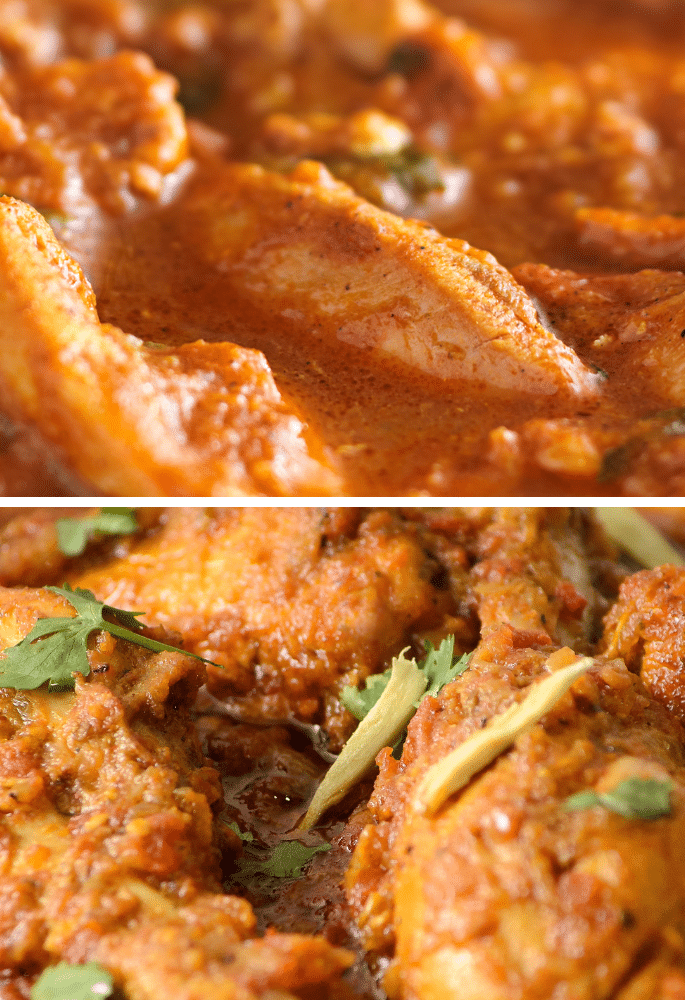

Most people seem to forget about the deliciousness of fish fingers once they grow up, but they continue to be a massive hit with most children. However, that is not to say that adults can’t enjoy fish fingers too.
If nothing else, you may find them a very convenient way to add some much-needed omega-3 to your diet. If you’re unsure about it, consider how much effort you need to put into cooking fish fingers.
Most fish finger brands will pre-cook their fish fingers, but how much they are pre-cooked will vary from brand to brand. Typically, all you should have to do is reheat the fingers at home for a few minutes, which will finish cooking the fish perfectly.
What is the Best Way to Cook Fish Fingers
There are a few ways that you can choose to cook (or reheat) pre-cooked fish fingers depending on how crispy you like your food.
Most fish fingers are covered in breadcrumbs, while others have a standard batter similar to a deep-fried fish. Both types of fish fingers can be cooked the same way.
Using the oven to cook your fish fingers is the conventional method. In fact, most packets of fish fingers will give clear instructions on how to cook your fish fingers in the oven.
The oven will provide a slight crisp to the batter or bread crumbs without ruining the soft texture of the fish inside. Remember, you don’t need to cook the fish finger entirely from scratch as they are already pre-cooked.
Here is how best to cook fish fingers in an oven:
- Preheat the oven to 180C.
- Lay the fish fingers evenly spaced on a baking tray.
- Place the fish fingers in the oven for 7 minutes.
- Turn over the fish fingers in the oven for an even bake and then cook for a further 7 minutes.
- Plate up and enjoy!
You can take the above method and cook your fish fingers in an air fryer instead, cooking them for the same period of time and at the same heat. The result will be a slightly crispier fish finger, but that may be your preference anyway!
It is best to avoid microwaving fish fingers as they are very likely to become soggy. You may be able to microwave them at a high enough heat to make them taste okay, but their texture will be way off. Stick with your oven or the air fryer.
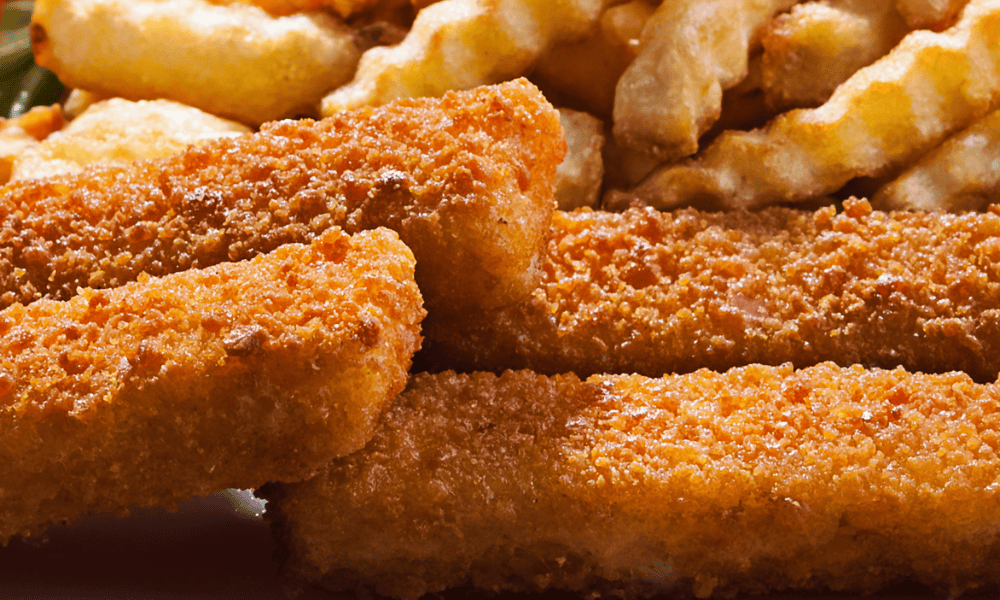
How Do You Know If Fish Fingers Are Cooked?
It can be hard to tell when partly pre-cooked food is ready to eat, as most fish fingers are. Essentially, all you are doing when you cook fish fingers is finishing off the last few minutes of the cooking process while they warm up.
You can tell when your fish fingers are cooked when they become a golden brown and develop a slight crispiness. This is the case for both battered and breadcrumbed fish fingers.
If you are still unsure whether your fish fingers are cooked based on colour alone, leave them in your oven for another 5 minutes.
So long as you don’t let them burn, fish fingers will taste just as delicious with some added crispiness as they would without it, although pre-cooked fish fingers will offer a cooking time that will ensure your fish fingers are adequately cooked.
You don’t have to worry too much about eating undercooked fish fingers.
Few fish finger brands sell raw fish fingers unless they are explicitly labelled as such. Because they are pre-cooked, the chances of you getting ill for failing to cook the fish fingers for the full 15 or so minutes recommended on the packet is very slim.
How To Serve Fish Fingers
When you were a kid, the chances are that you were happy enough with fish fingers and chips for dinner, not even bothering with the side of peas.
But as an adult trying to expand their cooking horizons, there are ways that you can spice up fish fingers to a make a wholesome dinner.
Season Them
A simple way to make your fish fingers stand out is to add some extra seasonings. The chances are that most fish fingers already include some seasoning in their batter or bread crumbs, but you can cover them in a seasoning and herb mixture.
Some simple salt and pepper can go a long way in elevating your fish fingers. For a more grounding taste, try some rosemary and thyme. Or, for a fresher and sweeter taste, add a little mint and basil to your fish fingers.
You can cover the fish fingers in the additional herbs and seasonings before cooking them in your oven to ensure they reach their best flavour.
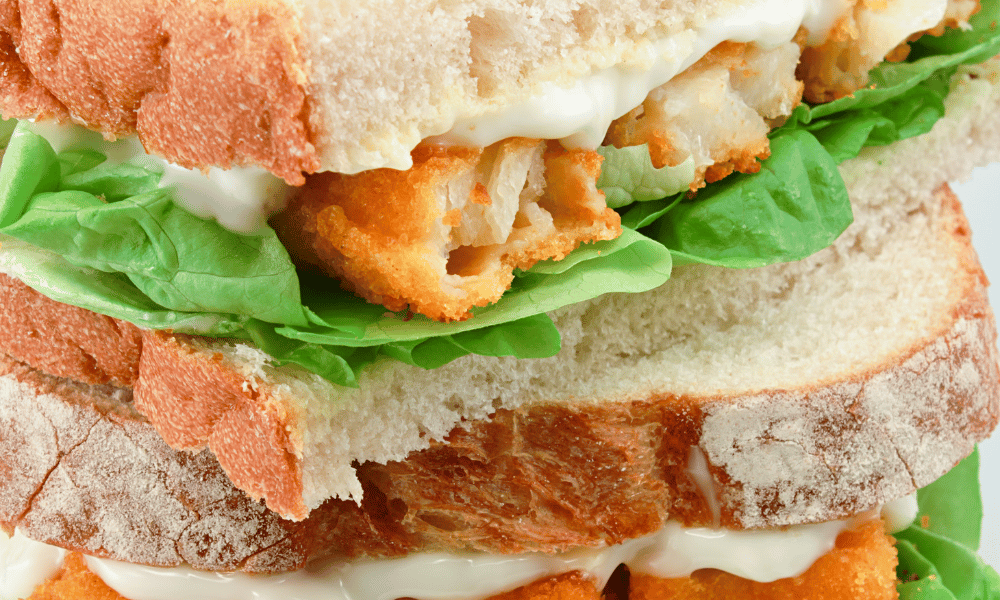
Then you can serve them in a more luxurious take of a typical fish finger sandwich with some avocado and fried egg.
Fish Pie
For a more filling meal, you can use fish fingers as the base for a fish pie. Simply cook the fish fingers and prepare some peas and mash potato while they cook.
Then spread a layer of your cooked fish fingers in a casserole dish, layer the peas and mashed potatoes, and cover the top of the potatoes in cheese. Bake for a further 5 minutes, and you have a delicious, filling dinner perfect for an adults dinner with minimal effort.
Fish Finger FAQs
Do you have further questions about fish fingers? Then give these a read:
As long as they have been cooked through and then stored in the fridge, you can enjoy fish fingers cold. You may find this is a little unusual though, if you’re used to eating them hot.
When reheating fish fingers, the internal temperature should be 145F or 63C when using a digital thermometer.

Acacia may be a freelance writer by day, but they are a food fanatic by night. They are always trying out new recipes or finding different ways to elevate classical dishes. But their biggest culinary aim is to educate others on the basics of the kitchen so that they too can enjoy delicious food.